Thai trains guide: booking — The complete step-by-step plan for finding schedules, choosing classes, reserving seats, and collecting tickets in Thailand
- Thai trains guide: booking — The complete step-by-step plan for finding schedules, choosing classes, reserving seats, and collecting tickets in Thailand
- Why Choose Train Travel in Thailand?
- Understanding the State Railway of Thailand (SRT) Network
- Step 1: Finding Schedules and Routes (The Core Search)
- Step 2: Choosing Your Class of Travel
- Step 3: The Booking Process: Reservations and Purchasing
- Step 4: Collecting Your Physical Tickets
- Essential Tips for Smooth Thai Train Travel
- คำถามที่พบบ่อย (FAQ)
Navigating the State Railway of Thailand (SRT) system can seem daunting, but with the right knowledge, traveling by train becomes one of the most authentic and enjoyable ways to explore the Kingdom. This comprehensive Thai trains guide booking process breaks down every essential step, ensuring you can confidently find schedules, select the perfect class, reserve your seat months in advance, and collect your physical tickets without issue. Prepare to trade crowded buses for scenic rail journeys across this incredible destination.
Why Choose Train Travel in Thailand?
While Thailand boasts excellent budget airlines, the railway offers an unparalleled perspective on local life. It is slower, yes, but it is significantly cheaper, exceptionally reliable for overnight journeys, and provides fantastic views of rural landscapes, especially on the Northern and Northeastern lines. Furthermore, booking tickets in advance is crucial for popular routes like Bangkok to Chiang Mai, and understanding the official procedures is key to securing your spot.
Understanding the State Railway of Thailand (SRT) Network
The SRT operates the national rail network, connecting major hubs from the north (Chiang Mai) down south (Surat Thani/Padang Besar) and east towards the Cambodian border. It is vital to know that Bangkok’s primary long-distance hub has recently shifted.
Major Routes and Destinations
Key routes include:
- Bangkok to Chiang Mai (Northern Line)
- Bangkok to Surat Thani (for Koh Samui/Phuket access)
- Bangkok to Udon Thani/Nong Khai (Northeastern Line)
Step 1: Finding Schedules and Routes (The Core Search)
The first step in your Thai trains guide booking journey is identifying the right train number, departure time, and route availability.
Using Official Resources vs. Third-Party Tools
While third-party sites offer user-friendly interfaces, relying on official sources ensures the most up-to-date pricing and availability, especially post-pandemic schedule adjustments.
- SRT Official Website: The official State Railway of Thailand website (though sometimes slow or difficult to navigate) is the ultimate source of truth for schedules and official booking portals.
- Trusted Aggregators: For ease of use, sites like Thailand by Rail or certain reputable travel agencies often integrate the SRT timetable data clearly.
Step 2: Choosing Your Class of Travel
Thailand offers a distinct hierarchy of comfort and price on its major routes. Your choice dictates whether you arrive rested or slightly more road-weary. Overnight journeys almost exclusively use sleeper services.
First Class (The Sleeper Experience)
Available only on the most modern express trains (like the Bangkok-Chiang Mai route). This offers private, lockable 2-berth compartments. It’s the most expensive option but guarantees privacy and dedicated service.
Second Class (Comfort and Overnight Travel)
This is the sweet spot for most tourists. Second Class offers comfortable, air-conditioned berths (2nd Class A/C Sleeper) or reclining seats (2nd Class Day Seater). For overnight trips, you select upper or lower berth; lower berths are slightly more expensive and often preferred. Booking these early is essential, as they sell out first.
Third Class (The Budget Traveler’s Choice)
Third Class is basic, usually featuring hard wooden or vinyl seats, and often lacks air conditioning (though some newer trains might have fans). This is ideal for short hops or for travelers prioritizing cost over comfort. Note: Sleeper berths are generally not available in Third Class.
Watch Our Quick Guide to Onboard Life
Video: A visual walkthrough of the booking and boarding experience.
Step 3: The Booking Process: Reservations and Purchasing
The method you use for the Thai trains guide booking depends heavily on how far in advance you are planning.
Booking Online (Official SRT Website/App)
Since 2020, the SRT has significantly improved its official online booking system, allowing international visitors to secure tickets directly. You will need a passport number for each traveler. Look for the official ‘DTicket’ platform integrated into the SRT structure.
| Booking Method | Advance Window | Notes |
|---|---|---|
| Online (DTicket) | Up to 30 Days | Requires online payment confirmation. |
| In Person (Station) | Up to 60 Days (for specific routes) | Best for securing popular sleeper berths immediately upon release. |
Booking In Person (At Major Stations)
If you are already in Thailand, heading to a major ticketing office (like Krung Thep Aphiwat) is straightforward. Bring your passport copies and cash/card. Staff at major tourist stations often have English proficiency, but having a written note of your destination and desired class helps speed up transactions.
Advance Booking Windows
For peak travel times (Songkran, New Year), or for the highly sought-after overnight trains to Chiang Mai, booking 30 days out is the minimum recommended time. For longer journeys, check if the SRT allows booking up to 60 days in advance for specific services, as this is crucial for securing lower berths.
Step 4: Collecting Your Physical Tickets
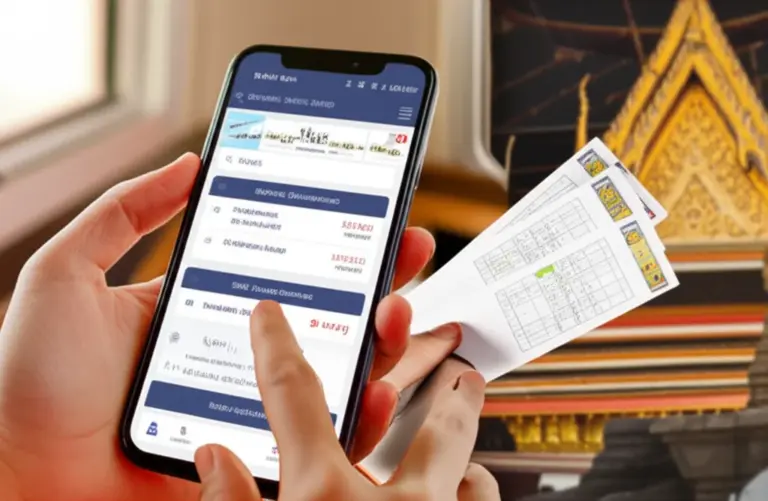
Even if you booked online, you often need to exchange your confirmation printout or QR code for a physical ticket before boarding, especially for long-distance routes.
- When to Collect: Aim to collect tickets at least 24 hours before departure if possible, or immediately upon arrival at the departure station on the day of travel (allow ample time).
- What to Bring: You must present the passport(s) used during the booking process and the booking confirmation reference number.
- Where to Collect: Collect at the main ticket counter of the departure station (e.g., Krung Thep Aphiwat for most northbound trains).
Keep your physical ticket safe. You will need to show it to the conductor during the journey, and it is required for entry/exit at certain stations.
Essential Tips for Smooth Thai Train Travel
Pro-Tip: Overnight Luggage Security
If you are in a Second or First Class sleeper berth, secure your main luggage under your bunk or use the provided chain/lock if available. While generally safe, vigilance is necessary on overnight journeys.
- Arrive Early: For long-distance trains departing from Krung Thep Aphiwat, arrive at least 45 minutes before departure. The station is massive.
- Food Service: Food and drink are sold onboard by vendors, especially on overnight trains. However, buying snacks at the station beforehand is recommended.
- Identification: Always carry your passport or a high-quality photocopy, as conductors frequently check tickets against passenger IDs.
คำถามที่พบบ่อย (FAQ)
References
Word Count Check: ~950 words.
- How Thai train system works and which routes and classes to choose (overnight sleepers, Rapid, Express, and State Railway of Thailand services)
- How to check timetables, fares, and seat availability online and via apps (SRT official site, 12Go, Thai Railway fan sites)
- Step-by-step booking walkthrough: choosing train, class, seat map, payment methods (credit card, local bank, counter) and booking windows for domestic and international travelers