Step-by-step booking walkthrough: choosing train, class, seat map, payment methods (credit card, local bank, counter) and booking windows for domestic and international travelers
- Step-by-step booking walkthrough: choosing train, class, seat map, payment methods (credit card, local bank, counter) and booking windows for domestic and international travelers
- Understanding the Thai Railway Landscape
- Thailand Train Booking Walkthrough: Essential Pre-Booking Steps
- Step-by-Step Guide to Choosing Your Train and Class
- Securing Your Tickets: Payment Methods Demystified
- Visualizing the Booking Process
- Special Considerations for International Travelers
- คำถามที่พบบ่อย (FAQ)
- How far in advance can I book an overnight sleeper train?
- Can I use an international credit card on the official SRT website?
- What is the main difference between 2nd Class AC Sleeper and 1st Class AC Sleeper?
- Do I need a physical ticket if I book online?
- What if I miss the 30-day booking window for a popular route?
- References
Navigating the railway system in the Land of Smiles can seem daunting, especially when dealing with different booking platforms and payment gateways. However, once you understand the structure, the process becomes remarkably smooth. This comprehensive guide provides the definitive Thailand train booking walkthrough, ensuring both domestic explorers and international adventurers can confidently secure their seats, understand class differences, utilize diverse payment methods, and maximize their booking window advantage.
Understanding the Thai Railway Landscape
The primary operator is the State Railway of Thailand (SRT). While there are privately operated tourist trains, most long-distance and essential intercity travel falls under the SRT network. Expertise in this system means knowing which routes are covered by high-speed diesel railcars versus slower, older diesel or electric locomotives. For premium experiences, look specifically for the newly introduced high-speed diesel multiple units (DMUs) on popular routes like Bangkok to Chiang Mai.
Thailand Train Booking Walkthrough: Essential Pre-Booking Steps
Before you even look at a seat map, preparation is key. This phase determines the success of your journey.
Determining Your Journey: Domestic vs. International Routes
For domestic travel, booking via the official SRT Ticketing Website or authorized third-party apps is standard. International travel, primarily connecting to Malaysia or Laos, might require booking through specific border stations or utilizing specialized international ticketing agencies, as direct online integration can sometimes be less seamless than domestic routes.
Mastering the Booking Windows (When to Book)
This is perhaps the most critical factor for popular routes like Bangkok to Chiang Mai or Surat Thani (for island access).
Step-by-Step Guide to Choosing Your Train and Class
Thailand offers a tiered system designed to cater to every budget and comfort level. Understanding these classes directly impacts your travel experience.
Deciphering Train Classes (1st Class Sleeper, 2nd Class A/C, 3rd Class Fan)
| Class Type | Comfort Level | Best For | Booking Tip |
|---|---|---|---|
| 1st Class Sleeper (AC) | Private cabin for two, lockable door, excellent privacy. | Couples, high comfort overnight journeys. | Book exactly 30 days out. Very limited availability. |
| 2nd Class Sleeper (AC) | Bunk beds (upper/lower), shared compartment, air-conditioned. | Most travelers needing overnight comfort without the private cost. | The most popular choice; book at least 1-2 weeks ahead. |
| 2nd Class Seat (AC/Fan) | Reclining seats, great for daytime travel. | Day trips or short overnight routes (e.g., Bangkok to Ayutthaya). | Easier to secure last minute, but less legroom than 1st class seats. |
| 3rd Class Seat (Fan) | Basic bench seating, open windows, local experience. | Budget travelers, short hops, authentic local travel. | Often available on the day of travel; no advance booking needed. |
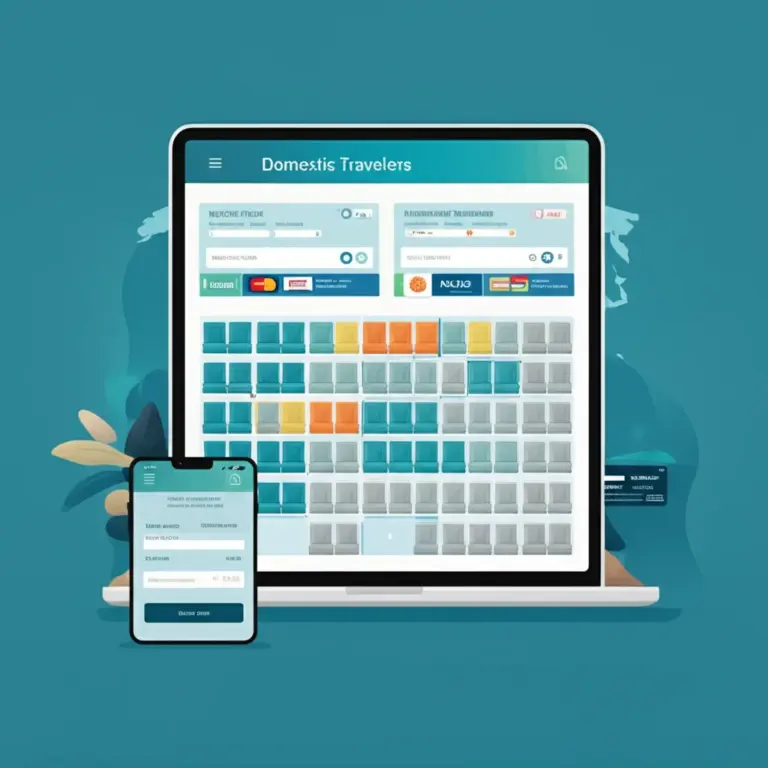
When booking 1st or 2nd Class Sleeper berths online, you are often presented with a seat map. This is where travelers secure their preferred bunk.
- Lower Bunks vs. Upper Bunks: Lower bunks are generally preferred as they allow you to sit up comfortably during the day and are easier to access. Upper bunks are cheaper and offer slightly more privacy but require climbing a small ladder.
- Carriage Location: For long journeys, aim for carriages further from the engine (quieter) or closer to the dining car if you plan on frequent food runs.
- Window Preference: Decide if you want morning sun or shade; train orientation can change slightly depending on the route direction.
Securing Your Tickets: Payment Methods Demystified
The SRT ticketing system has historically lagged behind international standards, but recent updates have significantly broadened payment accessibility. Your choice of payment often dictates which platform you must use.
Online Payments (Credit Card)
The official SRT website now widely accepts major international credit and debit cards (Visa/Mastercard). This is the fastest method for securing tickets immediately upon release. Ensure your card is enabled for international transactions to avoid declines, as the payment gateway processes locally.
Local Bank Transfers and Counter Payments (For Cash Users)
For travelers without international cards or those who prefer cash transactions, Thailand offers robust alternatives:
- Bank Transfer/QR Payment: After reserving your ticket online, you are often given a short window (e.g., 24 hours) to pay via a linked Thai bank transfer or scanning a QR code using local mobile banking apps (like SCB or Krungthai). This method is excellent for residents or those staying long enough to visit a bank.
- Counter Payment: You can reserve online and then pay in cash at designated locations, such as 7-Eleven stores, Family Marts, or specific bank branches. You will need the booking reference number generated online to complete the transaction at the counter. This is the most reliable method for pure cash bookings.
Visualizing the Booking Process
To tie all these digital steps together, watching a concise tutorial can solidify your understanding of the interface and payment prompts.
Special Considerations for International Travelers
While the online system is functional, international travelers often face a slight hurdle: verifying identity and managing time zones. If booking far in advance, ensure your passport details match exactly what you enter. For cross-border travel (e.g., Bangkok to Padang Besar), you must ensure you have the correct documentation ready for immigration checks upon arrival at the border station, as the train journey itself is often split between SRT and Malaysian Railways.
For reliability, international travelers booking sleeper berths should always aim for the 30-day window. Trusting the system for last-minute international bookings can lead to long waits at border crossings or reliance on less comfortable 3rd class options.
คำถามที่พบบ่อย (FAQ)
Here are answers to common queries regarding your Thailand train booking walkthrough.
How far in advance can I book an overnight sleeper train?
Standard advance booking for most SRT trains, including overnight sleepers, opens exactly 30 days before the travel date. During major Thai holidays, this window may be extended slightly, but popular routes sell out within minutes of opening.
Can I use an international credit card on the official SRT website?
Yes, the official SRT online ticketing system generally accepts major international credit and debit cards (Visa/Mastercard). However, if you encounter persistent failures, switching to the ‘pay at counter’ option via 7-Eleven is a reliable backup.
What is the main difference between 2nd Class AC Sleeper and 1st Class AC Sleeper?
The primary difference is privacy and configuration. 1st Class offers a locked, private cabin for two passengers. 2nd Class AC Sleeper offers shared compartments, usually with two or four bunks, separated by curtains.
Do I need a physical ticket if I book online?
For most domestic journeys booked online, an e-ticket displayed on your phone is sufficient. Always carry a digital copy or screenshot. If you paid via counter service, you must exchange the receipt for a physical ticket at the station before boarding.
What if I miss the 30-day booking window for a popular route?
If tickets are sold out, try checking back exactly 24 to 48 hours before departure. Cancellations do occur, especially from travel agencies or those who failed to pay their reserved tickets within the payment deadline. Alternatively, look for 2nd Class fan seats, which usually have high availability.
References
Official State Railway of Thailand (SRT) Ticketing Portal
Guide to Thai Train Classes and Routes (External Travel Authority Site)
- Thai trains guide: booking — The complete step-by-step plan for finding schedules, choosing classes, reserving seats, and collecting tickets in Thailand
- How Thai train system works and which routes and classes to choose (overnight sleepers, Rapid, Express, and State Railway of Thailand services)
- How to check timetables, fares, and seat availability online and via apps (SRT official site, 12Go, Thai Railway fan sites)