What to expect in a workshop: step-by-step indigo dyeing process, materials, seasonal timing, and how to prepare for a hands-on experience
Indigo dyeing is one of Thailand’s most cherished traditional crafts, particularly in the Sakon Nakhon province. Engaging in a workshop offers more than just a souvenir; it provides a deep connection to the earth and local wisdom. Understanding the indigo dyeing process is the first step toward appreciating the intricate labor and artistry involved in creating the vibrant ‘Mor Hom’ blue fabrics that define Northern and Northeastern Thai culture.
Understanding the Indigo Dyeing Process
The indigo dyeing process is a fascinating chemical transformation. Unlike other dyes that bond with heat, indigo is a ‘vat dye’ that requires fermentation. In a typical workshop, you will witness the magic of oxidation: when the fabric is first removed from the dye vat, it appears green, but as it reacts with oxygen in the air, it transforms into a deep, celestial blue.
Step-by-Step: Your Hands-On Experience
When you join a workshop in Thailand, you can expect to follow these traditional steps:
- Preparation of Fabric: You will start with natural fibers like cotton or silk. These must be washed to remove any oils or starches.
- Pattern Design (Shibori/Tie-Dye): Using rubber bands, wood blocks, or stitching, you will create resists. These areas will remain white, creating your unique pattern.
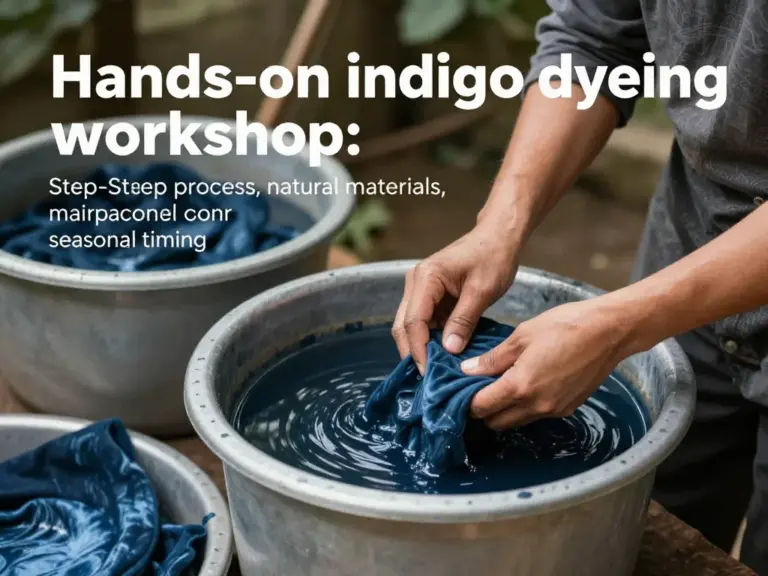
- The Dip: You will submerge your fabric into the indigo vat. You must massage the dye into the fibers gently without splashing, as introducing too much oxygen into the vat can ‘kill’ the indigo.
- Oxidation: Pulling the fabric out, you watch the color change from yellow-green to blue. This step is often repeated multiple times to achieve darker shades.
- Washing and Setting: Finally, the fabric is rinsed in water and sometimes a vinegar solution to set the color.
Essential Materials and Tools
A professional workshop provides all necessary materials. Here is what you will typically use:
| Material | Purpose |
|---|---|
| Indigo Paste | The pigment extracted from the Indigofera tinctoria plant. |
| Alkaline Agent | Usually lime or wood ash water to maintain the vat’s pH. |
| Natural Reducer | Sugar or fruit (like tamarind) to help the dye dissolve. |
| Natural Fibers | Cotton, linen, or silk that can absorb the dye. |
Seasonal Timing: When to Visit
While workshops are available year-round, the best time for the indigo dyeing process is during the dry season (November to February). The low humidity and abundant sunlight are perfect for drying the dyed fabrics quickly. Furthermore, the indigo plants are typically harvested at the end of the rainy season, meaning the dye vats are often at their most vibrant during the cooler months.
How to Prepare for Your Workshop
To make the most of your hands-on experience, keep these tips in mind:
- Wear Dark Clothing: Indigo stains! Even with an apron, splashes happen. Wear clothes you don’t mind getting blue.
- Trim Your Nails: Indigo can seep under fingernails and stay there for days.
- Bring Inspiration: Have a few pattern ideas in mind, but be open to the natural flow of the dye.
- Location: Most authentic workshops are in Sakon Nakhon or Phrae.
คำถามที่พบบ่อย (FAQ)
Q: Does indigo dye wash off the skin easily?
A: It will eventually wear off in 2-3 days, but using lemon juice or a pumice stone can speed up the process.
Q: Can I bring my own clothes to dye?
A: Most workshops allow this, provided the fabric is 100% natural fiber (cotton, linen, silk). Synthetic fibers will not take the dye.
Q: How long does a typical workshop last?
A: A basic introductory workshop usually lasts 3 to 5 hours, including design and multiple dipping cycles.
References
Tourism Authority of Thailand
UNESCO Intangible Cultural Heritage
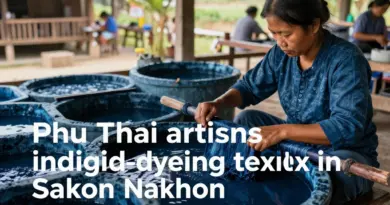
- Indigo dyeing with Phu Thai artisans in Sakon Nakhon: A hands-on cultural experience and sustainable textile tradition
- Why Phu Thai indigo dyeing in Sakon Nakhon matters: history, cultural significance, and traditional techniques
- Where to go and who to visit: top Phu Thai villages, artisan cooperatives, and ethical tour operators for authentic indigo workshops