Planning your trip: permits, accommodation options (floating bungalows vs. wilderness camping), and guided vs. self-guided kayak tours
- Planning your trip: permits, accommodation options (floating bungalows vs. wilderness camping), and guided vs. self-guided kayak tours
Embarking on a sea kayaking journey through Thailand’s emerald waters—be it the limestone karsts of Krabi or the hidden lagoons of Phang Nga Bay—requires meticulous preparation. Successful navigation hinges not just on paddling skill, but on understanding the logistical layers beneath the surface. This comprehensive guide addresses the critical elements of Planning your trip: permits, accommodation options (floating bungalows vs. wilderness camping), and guided vs. self-guided kayak tours, ensuring your Thai adventure is seamless, legal, and unforgettable. Planning your trip: permits, accommodation options (floating bungalows vs. wilderness camping), and guided vs. self-guided kayak tours is the mantra of the seasoned explorer.
Unlike a simple beach day, paddling through protected marine parks or ecologically sensitive areas in Thailand often mandates official documentation. Failing to secure the right permit can lead to hefty fines or outright denial of access. Expertise in this area is crucial for a smooth experience.
National Park Fees and Entrance Permits
Most prime kayaking locations, such as Ao Phang Nga National Park (home to James Bond Island) or the islands surrounding Tarutao Marine National Park, require an entrance fee. These fees generally cover day visitors and are often collected at official entry points or by tour operators.
- How it Works: If you book a guided tour, the operator handles these fees as part of your package. If you are self-guiding, you must pay these fees yourself at the park office (usually daily or per entry).
- Pro Tip: Always confirm the current fee structure, as national park regulations can change seasonally.
Special Activity Permits
For specific activities like overnight camping in protected zones, or accessing sensitive sea caves (hongs), additional permits might be required from the Department of National Parks, Wildlife and Plant Conservation (DNP). For independent travelers, this paperwork can be cumbersome, often requiring local sponsorship or adherence to strict itinerary guidelines.
Authoritative Insight: For self-guided trips in remote areas, hiring a local fixer or guide for the first day specifically to handle permit acquisition and registration is an investment in peace of mind.
Where to Stay: Floating Bungalows vs. Wilderness Camping
Accommodation dictates the rhythm of your kayaking expedition. Thailand offers a stark contrast between established, comfortable lodging and raw, immersive wilderness stays. Understanding the trade-offs is central to Planning your trip: permits, accommodation options (floating bungalows vs. wilderness camping), and guided vs. self-guided kayak tours.
The Charm of Floating Bungalows (The Comfortable Basecamp)
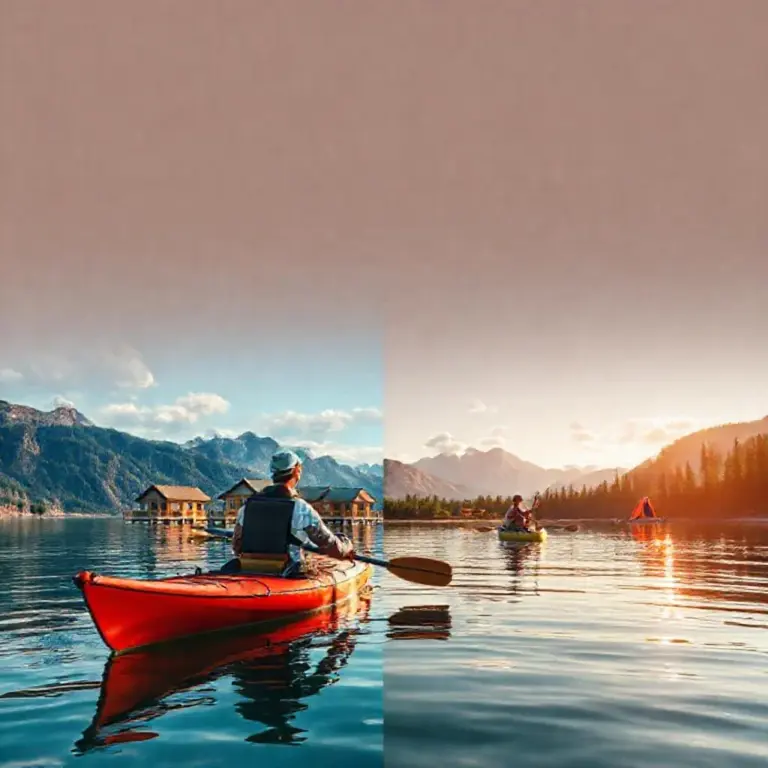
Commonly found near islands like Koh Lanta or in calmer bays, floating bungalows offer a unique experience. You are literally on the water, often waking up to the gentle lapping sounds.
| Pros | Cons |
|---|---|
| Comfort & Amenities (Beds, electricity, often private bathrooms) | Less Remote (Higher traffic, less authentic solitude) |
| Security (Gear is safer overnight) | Cost (Significantly higher nightly rate) |
| Easy Access (Mooring point for your kayak) | Environmental Impact (Waste management can be an issue) |
The Call of Wilderness Camping (The True Explorer)
Wilderness camping, usually restricted to designated, permitted zones within National Parks or on remote, uninhabited islands, offers unparalleled solitude. This option demands self-sufficiency.
When camping, the Leave No Trace principles are paramount. You must carry out *everything* you carry in, including human waste if far from facilities. This choice directly impacts the required permits discussed earlier.
Crucial Note: Unsanctioned overnight beach camping is often illegal in Thai National Parks. Always secure DNP permission if you plan to sleep ashore outside of established campsites.
Tour Dynamics: Guided vs. Self-Guided Kayak Adventures
The final major decision in Planning your trip: permits, accommodation options (floating bungalows vs. wilderness camping), and guided vs. self-guided kayak tours is who steers the ship. This choice balances risk, local knowledge, and budget.
The Guided Experience: Expertise and Ease
Guided tours are the default for most visitors to areas like the Hongs of Ao Phang Nga. They provide an immediate layer of safety and expertise.
- Safety Net: Guides are trained in emergency response, weather changes, and local hazards (like strong currents or jellyfish).
- Access to Secrets: Local guides know hidden lagoons, tide-dependent passages, and the best times to visit popular spots to avoid crowds.
- Logistics Handled: Permits, park fees, kayak transport, and sometimes even meals are included.
The Self-Guided Path: Freedom and Responsibility
For experienced kayakers familiar with open water navigation and tropical conditions, self-guiding offers unparalleled freedom to set your own pace and explore off-the-beaten-path locations.
Watch this video for inspiration on navigating Thailand’s stunning karst landscapes:
However, self-guiding demands rigorous preparation. You must carry detailed nautical charts, reliable GPS communication (satellite messenger recommended), and a thorough understanding of tidal patterns, which fluctuate dramatically in the Andaman Sea.
Synthesis: Choosing Your Adventure Style
The ideal trip balances your desire for authenticity with the practical realities of Thai regulations and geography. Consider this matrix when finalizing your itinerary:
| Scenario | Recommended Accommodation | Recommended Tour Style |
|---|---|---|
| First Time in Thailand / Exploring Hongs | Floating Bungalow (near tour departure) | Guided (Handles Permits) |
| Experienced Paddler / Seeking Solitude | Wilderness Camping (Permitted Zones Only) | Self-Guided (With pre-arranged logistics) |
| Budget Focused / Short Trips | Local Guesthouse (Mainland) | Day Guided Tour |
By methodically addressing permits, selecting accommodation that matches your comfort level, and making an informed decision between guided and independent exploration, you transform the complex task of Planning your trip: permits, accommodation options (floating bungalows vs. wilderness camping), and guided vs. self-guided kayak tours into a stress-free blueprint for success. Enjoy the tranquility that only Thailand’s limestone labyrinth can offer.
References
- Official Thailand Tourism Portal
- Department of National Parks, Wildlife and Plant Conservation (DNP) Official Site
คำถามที่พบบ่อย (FAQ)
Q: Do I need an English-speaking guide for kayaking in Krabi?
A: While not legally mandatory, an English-speaking guide is highly recommended if you are self-guiding or choosing a local Thai tour operator, as it ensures clear communication regarding safety protocols, tide times, and emergency procedures.
Q: Is it safe to kayak in Thailand during the monsoon season (June to October)?
A: Kayaking can be dangerous during the monsoon season due to rough seas and unpredictable weather, especially on the Andaman coast (Krabi, Phuket). Many operators cease operations. If you do paddle, stick to sheltered bays or choose the Gulf Coast (Koh Samui area), which often experiences drier weather during this time.
Q: How much does a typical one-day guided kayak tour cost in Phang Nga Bay?
A: A standard, full-day guided kayak tour, usually including transfers, lunch, and all park fees, generally ranges from 1,500 to 3,000 Thai Baht per person, depending on the group size and the level of luxury provided.
Q: Can I bring my own high-end kayak into National Parks?
A: Generally, yes, but you will still be required to pay the standard National Park entrance fee for yourself. You may need to coordinate logistics for transporting the kayak to the launch site, as tour operators typically only manage their own equipment.
- Lakeside camping at Cheow Lan Lake: kayak among limestone karsts — Ultimate guide to planning, routes, gear, and safety
- Why Cheow Lan Lake is a must-visit: landscape, best seasons, and eco-conscious camping tips
- Top kayaking routes and day-by-day itineraries among limestone karsts, hidden lagoons, and photo-worthy spots