Best time to visit and how to get there: transportation options, ideal seasons, and timing for trains and night markets
- Best time to visit and how to get there: transportation options, ideal seasons, and timing for trains and night markets
- Understanding Thailand’s Climate: Choosing the Ideal Season
- Navigating Thailand: Comprehensive Transportation Options
- The Night Market Experience: Timing Your Culinary Adventures
- Consolidating Your Itinerary: Best Time to Visit by Region
- Expert Tip: Leveraging Overnight Travel
- คำถามที่พบบ่อย (FAQ)
- What is the absolute cheapest way to travel between Bangkok and Chiang Mai?
- Are night markets safe to visit late in the evening?
- When should I book domestic flights versus trains for the best price?
- Is it possible to visit both the Andaman and Gulf coasts in one trip?
- What is the best way to travel between Krabi and Koh Lanta?
- References
Planning the perfect trip to the Land of Smiles requires strategic timing. The Best time to visit and how to get there: transportation options, ideal seasons, and timing for trains and night markets is crucial for maximizing enjoyment and minimizing travel headaches. As an expert in Southeast Asian travel logistics, this guide breaks down the ideal climate windows, the most efficient ways to navigate between cities and islands, and the best hours to dive into Thailand’s famous culinary and shopping scenes.
Understanding Thailand’s Climate: Choosing the Ideal Season
Thailand is broadly divided into three seasons, though the best time to visit varies slightly depending on whether you are heading north (Chiang Mai) or south (beaches). Generally, the peak travel season offers the most comfortable weather for tourism.
1. The Cool and Dry Season (November to February)
This is universally considered the best time to visit. Temperatures are pleasant (averaging 20°C to 30°C), humidity is lower, and rain is minimal, especially in Central and Northern Thailand. This period encompasses major festivals like Loy Krathong and New Year, making it high season—expect higher prices and more crowds.
2. The Hot Season (March to May)
Temperatures soar, often exceeding 40°C, particularly in Bangkok and the Central Plains. While tourist numbers dip slightly, the heat can be draining. This is the best time for those who love intense sunshine for beach tanning but should be avoided if sensitive to extreme heat.
3. The Rainy (Monsoon) Season (June to October)
Expect frequent, heavy downpours, although they often occur in short, intense bursts rather than all-day drizzle. The landscape is lush and green, and prices are at their lowest. Be aware that sea conditions can be rough, potentially leading to ferry cancellations, especially on the Andaman coast (Phuket, Krabi) during the later months of this period.
Mastering transportation options is key to efficient travel. Thailand boasts a diverse network ranging from budget buses to high-speed rail.
Air Travel: For Speed and Distance
For crossing vast distances quickly (e.g., Bangkok to Chiang Mai or Phuket), budget airlines like AirAsia, Nok Air, and Thai Lion Air offer competitive pricing, especially if booked in advance. This is often faster than the overnight train for long hauls.
Train Travel: The Classic Experience
Thailand’s State Railway of Thailand (SRT) is an adventure in itself. The timing for trains is crucial for booking. Overnight sleepers are highly recommended for Bangkok to Chiang Mai or Bangkok to Surat Thani (for island connections).
Buses and Minivans: The Budget Backbone
Buses are the most comprehensive option, connecting virtually every town. VIP buses offer comfortable reclining seats, while local buses are slower but offer a more authentic travel experience. Minivans are fast for shorter regional hops but can be cramped.
Local Transit: Tuk-Tuks, Taxis, and BTS/MRT
In Bangkok, utilize the BTS Skytrain and MRT Subway to bypass traffic congestion. For short rides, use ride-sharing apps like Grab, which often provide fixed, fair pricing, avoiding the need to haggle with taxis or tuk-tuks. Always negotiate the price *before* getting into a tuk-tuk.
The Night Market Experience: Timing Your Culinary Adventures
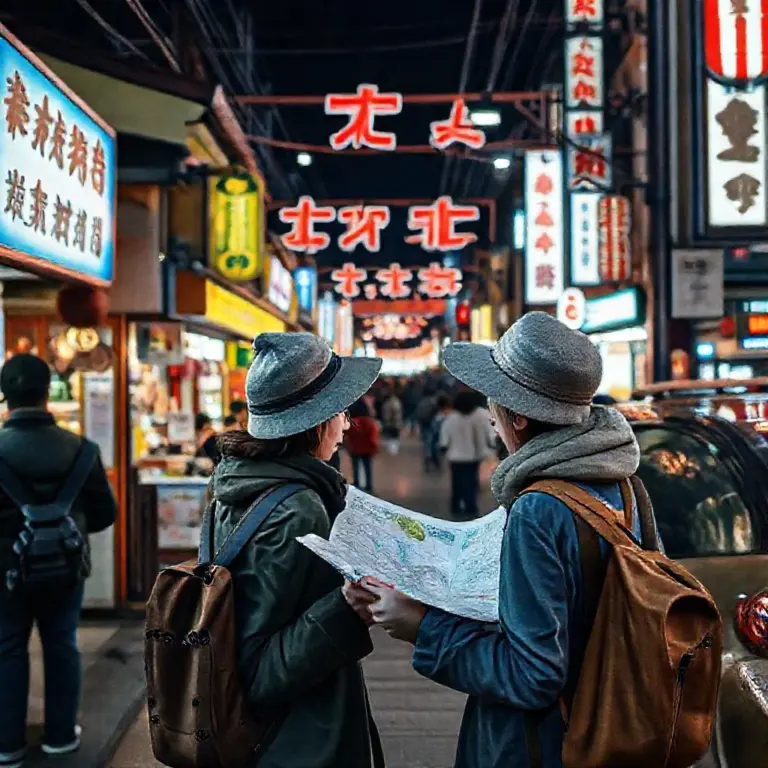
No trip to Thailand is complete without immersing yourself in the energy of a night market. Understanding the timing for night markets ensures you arrive when the stalls are fully set up and the atmosphere is buzzing.
When Do Night Markets Open and Close?
Most Thai night markets begin to set up around 4:00 PM, but the true action starts between 6:00 PM and 7:00 PM. This timing perfectly coincides with the end of the workday and the cooler evening temperatures, making it the ideal time for dinner and shopping. They typically wind down between 10:00 PM and midnight.
Optimal Timing for Food Exploration
To sample the widest variety of street food, aim to arrive between 7:30 PM and 8:30 PM. This is peak dinner rush, meaning the food is freshly cooked and vendors are energetic. If you prefer a less crowded browsing experience, visit just before 6:00 PM or after 9:30 PM.
Night Market Seasonality
While many major markets operate year-round, the absolute best time to enjoy them is during the Cool Season (Nov-Feb) when the evening humidity is low. However, markets are a staple activity and thrive even during the shoulder seasons, provided you stay hydrated.
Consolidating Your Itinerary: Best Time to Visit by Region
To truly master the Best time to visit and how to get there: transportation options, ideal seasons, and timing for trains and night markets, you must tailor the trip to the region.
| Region | Ideal Season | Best Travel Note |
|---|---|---|
| Central (Bangkok) | Nov – Feb | Excellent train connectivity. |
| North (Chiang Mai/Rai) | Nov – Feb | Avoid March due to burning season haze. |
| Andaman Coast (Phuket, Krabi) | Dec – Mar | Rough seas from May to October. |
| Gulf Coast (Samui, Phangan) | Jan – Aug | Rainiest months are usually Oct/Nov. |
Expert Tip: Leveraging Overnight Travel
To maximize daylight hours for sightseeing, utilizing overnight trains is one of the most expert travel hacks. Book a first-class or second-class sleeper berth. You save the cost of one night’s accommodation, wake up refreshed (usually), and arrive at your next major destination early in the morning, ready to explore.
YouTube Guide for Bangkok Transit
For a visual breakdown of navigating Bangkok’s complex transport system, this video offers excellent, recent insights into using the BTS, MRT, and Grab.
คำถามที่พบบ่อย (FAQ)
What is the absolute cheapest way to travel between Bangkok and Chiang Mai?
The cheapest method is typically the third-class, non-air-conditioned daytime train or the local (non-VIP) overnight bus service. While economical, these options take significantly longer and offer less comfort than their upgraded counterparts.
Are night markets safe to visit late in the evening?
Yes, major night markets are generally very safe, as they are bustling, well-lit, and heavily populated with vendors and tourists until closing time. Standard precautions against pickpocketing in crowded areas still apply.
When should I book domestic flights versus trains for the best price?
For domestic flights, booking 4–8 weeks in advance usually yields the best promotional fares. For overnight trains, especially sleepers during the peak season (Dec-Feb), booking as soon as your itinerary is confirmed (up to 60 days out) is highly recommended to secure a comfortable berth.
Is it possible to visit both the Andaman and Gulf coasts in one trip?
It is possible, but challenging if you only have two weeks, as it requires significant travel time. The best time to combine both is during the shoulder months of April or early May, or during the peak season (Dec-Feb) when weather is stable on both sides, though you will spend more time traveling between them.
What is the best way to travel between Krabi and Koh Lanta?
The most efficient method is taking a pre-booked ferry or a shared minivan/taxi combination that utilizes the short car ferry crossing. This route is quick and generally reliable year-round, though ferries are subject to cancellation during severe monsoon weather.
References
- Mae Klong and Amphawa 2 Days: Complete Itinerary for Maeklong Railway Market, Amphawa Floating Market & Firefly Boat Tour
- Day 1 — Maeklong Railway Market & nearby attractions: what to see, where to eat, local tips, and timing to catch the train market show
- Day 2 — Amphawa Floating Market, canal-side food, and evening firefly boat tour: schedule, booking options, recommended vendors, and safety tips