Why Chumphon Pinnacle Is a Must for Advanced Divers: Site Overview, Depth Profile, and Drift Diving Conditions
- Why Chumphon Pinnacle Is a Must for Advanced Divers: Site Overview, Depth Profile, and Drift Diving Conditions
Thailand’s Gulf of Thailand is renowned globally for its vibrant coral reefs and diverse marine ecosystems, attracting divers of all levels. However, for those seeking a truly exhilarating and challenging underwater experience, Chumphon Pinnacle stands out as a premier destination. Located approximately 11 kilometers northwest of Koh Tao, this submerged granite seamount offers an unparalleled adventure, particularly for advanced divers. Its unique site overview, deep depth profile, and dynamic drift diving conditions create an environment teeming with large pelagic species and breathtaking coral formations, making it an absolute must-visit for experienced underwater explorers.
The Allure of Chumphon Pinnacle for Advanced Divers
What elevates Chumphon Pinnacle above many other dive sites in the region? It’s the combination of its exposed location, attracting a spectacular array of marine life, and the exhilarating currents that define its diving experience. Unlike shallower, sheltered reefs, the **Chumphon Pinnacle** acts as a magnet for larger species, drawn by the nutrient-rich waters carried by the prevailing currents.
Unveiling the Underwater Landscape
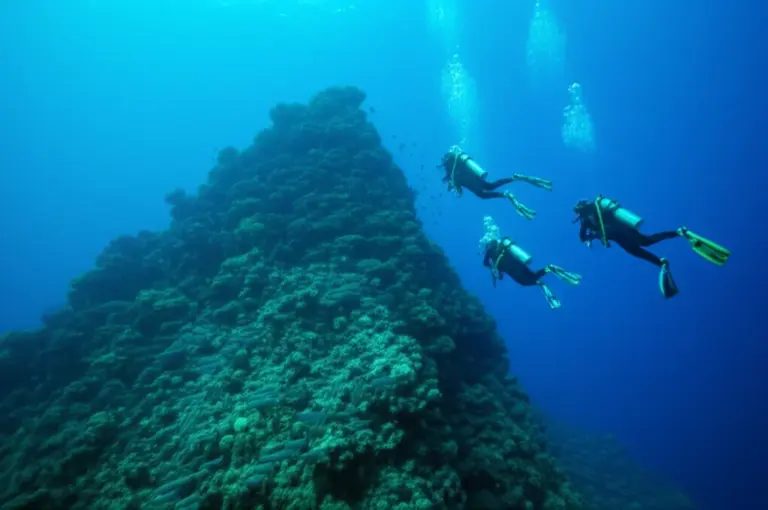
The site comprises a main, massive granite pinnacle that rises dramatically from the seafloor at around 30-35 meters to just 14 meters below the surface. Surrounding this central structure are several smaller, equally impressive pinnacles, creating a complex and intriguing underwater topography. These granite formations are carpeted in vibrant anemones, soft corals, and sponges, transforming the often-rugged rock into a kaleidoscope of color. The sheer scale and architectural grandeur of the site are truly awe-inspiring, offering endless nooks and crannies for exploration.
A Rich Tapestry of Marine Life
Chumphon Pinnacle is famous for its encounters with large pelagic species. Divers frequently report sightings of enormous schools of barracuda, often forming impressive ‘walls’ or ‘tornadoes’ that swirl around the pinnacle. Trevally, queenfish, and large groupers are also common predators patrolling the reef. The pinnacle is also one of the prime locations in the Gulf of Thailand for seasonal whale shark sightings, especially between March and October, making every dive a potential once-in-a-lifetime experience. Blacktip reef sharks are also regular residents, adding to the thrill. Smaller inhabitants include moray eels, various species of snapper, fusiliers, and a myriad of vibrant reef fish that dart amongst the corals.
Understanding the depth profile and site layout of Chumphon Pinnacle is crucial for safe and rewarding diving. The site’s characteristics necessitate careful dive planning and execution.
Pinnacle Structure and Key Features
The main pinnacle is a large, roughly circular structure. Its shallowest point, approximately 14 meters, serves as an excellent reference point and a safe area for safety stops. From here, the pinnacle slopes down steeply on all sides, reaching depths of 30-35 meters at its base. There are often mooring lines attached to the shallower sections, which can be useful for descent and ascent, especially in strong currents. Divers typically descend along these lines, then explore the various ledges, overhangs, and crevices that characterize the pinnacle’s walls.
Understanding the Depth Range
While the top of the pinnacle is relatively shallow, the most exciting marine encounters and structural features are often found at greater depths. Advanced divers can comfortably explore the 20-30 meter range, where the biggest schools of fish congregate and the chances of spotting whale sharks are higher. The availability of deeper sections also allows for longer bottom times at shallower depths, maximizing the dive experience. Due to the depth and potential for currents, divers must carefully monitor their no-decompression limits and air consumption.
Experience the vibrant underwater world of Chumphon Pinnacle in this captivating video.
The Thrill of Drift Diving Conditions
Drift diving is a hallmark of **Chumphon Pinnacle**, adding an element of excitement and requiring specific skills. The currents, while sometimes challenging, are also the lifeblood of the site, bringing in nutrients that sustain the rich ecosystem and attracting the large pelagics that divers come to see.
Currents and Their Impact on the Dive
Currents at Chumphon Pinnacle can range from mild to strong, and their direction can change during a single dive. These currents are responsible for carrying plankton and other food sources, creating a feeding ground for the larger marine life. While strong currents can make descent and ascent more challenging, they also mean less effort is required to cover ground underwater, as divers simply ‘drift’ along the pinnacle. Dive operators are highly experienced in managing these conditions, often employing negative entries (descending quickly) and using drift lines for safety stops.
Essential Skills for Drift Diving at Chumphon Pinnacle
To safely and enjoyably experience drift diving at Chumphon Pinnacle, advanced divers should possess excellent buoyancy control, good air consumption, and experience diving in currents. Familiarity with deploying a Surface Marker Buoy (SMB) is also vital, as the dive boat will pick up divers downstream. Team communication and staying close to your buddy and guide are paramount. Many dive centers in Koh Tao offer PADI Drift Diver Specialty courses, which can be highly beneficial for those looking to hone these skills.
Planning Your Dive at Chumphon Pinnacle
To make the most of your adventure to **Chumphon Pinnacle**, consider these practical aspects for planning your trip.
Best Time to Visit
While diving is possible year-round, the peak season for whale shark sightings at Chumphon Pinnacle is generally from March to October. During these months, the water visibility is often excellent, and conditions are generally favorable. However, the Gulf of Thailand can experience monsoon season from November to January, which might bring choppier seas and reduced visibility. Always check with local dive operators for current conditions before booking.
Getting There and Dive Operators
Chumphon Pinnacle is most commonly accessed from Koh Tao, a popular diving hub in the Gulf of Thailand. Numerous reputable dive centers on Koh Tao offer daily trips to the pinnacle. It’s advisable to choose an operator with experienced dive guides who are intimately familiar with the site’s currents and topography. They will provide thorough briefings and ensure safety throughout the dive.
| Feature | Description for Advanced Divers |
|---|---|
| Location | 11km NW of Koh Tao, Gulf of Thailand |
| Depth Range | 14m (top) – 35m+ (base) |
| Visibility | 10-30m, depending on conditions |
| Currents | Mild to Strong; often requires drift diving techniques |
| Marine Life | Whale sharks (seasonal), barracuda, trevally, reef sharks, groupers, vibrant corals |
| Certification | Advanced Open Water (or equivalent) recommended/required |
Safety Considerations and Certification
Given the depths and potential currents, an Advanced Open Water certification (or equivalent) is typically required by dive operators for dives at Chumphon Pinnacle. This ensures divers have experience with deep diving procedures and navigation. Always conduct a thorough buddy check, follow your dive guide’s instructions, and be aware of your air consumption and no-decompression limits. Safety is paramount to enjoying the incredible experience this site offers.
Chumphon Pinnacle truly delivers an unforgettable dive for those with the skills and experience to appreciate its unique challenges and spectacular rewards. It’s a testament to the rich biodiversity of Thailand’s waters and a highlight for any advanced diver’s logbook.
คำถามที่พบบ่อย (FAQ)
Q: What makes Chumphon Pinnacle suitable for advanced divers?
A: Its depth profile (down to 35m+), exposure to strong currents requiring drift diving techniques, and the presence of large pelagic species that demand careful observation and control in dynamic conditions make Chumphon Pinnacle ideal for advanced divers. It offers a more challenging and rewarding experience than shallower, calmer sites.
Q: What marine life can I expect to see at Chumphon Pinnacle?
A: Chumphon Pinnacle is renowned for its large marine life. Divers frequently encounter huge schools of barracuda, trevally, queenfish, and reef sharks. It’s also one of the best spots in the Gulf of Thailand for seasonal whale shark sightings (typically March to October).
Q: Are strong currents always present at Chumphon Pinnacle?
A: Currents at Chumphon Pinnacle can vary from mild to strong, and their intensity can change even during a single dive. While not always strong, divers should always be prepared for drift diving conditions and possess the necessary skills to manage them safely. Dive operators closely monitor conditions.
Q: What certification do I need to dive Chumphon Pinnacle?
A: Due to the depths and potential currents, most dive operators require a minimum of Advanced Open Water (AOW) certification or an equivalent rating from another recognized agency. This ensures divers have experience with deep diving and navigation.
Q: Where is Chumphon Pinnacle located relative to popular dive hubs?
A: Chumphon Pinnacle is situated approximately 11 kilometers northwest of Koh Tao, making Koh Tao the most common and convenient departure point for diving trips to the site. It is also accessible from Koh Phangan and Koh Samui, though trips are less frequent.
References
- PADI (Professional Association of Diving Instructors)
- Tourism Authority of Thailand
- Wikipedia – Chumphon Pinnacle
- Koh Tao Deep Diving: Complete Guide to Chumphon Pinnacle for Advanced Divers — Best Seasons, Currents, and Marine Life
- When to Dive Chumphon Pinnacle: Seasonal Visibility, Currents, Weather Windows, and Recommended Dive Windows
- What You’ll See: Typical Marine Life Encounters, Mega Fauna Sightings, and Photographic Opportunities at Chumphon Pinnacle