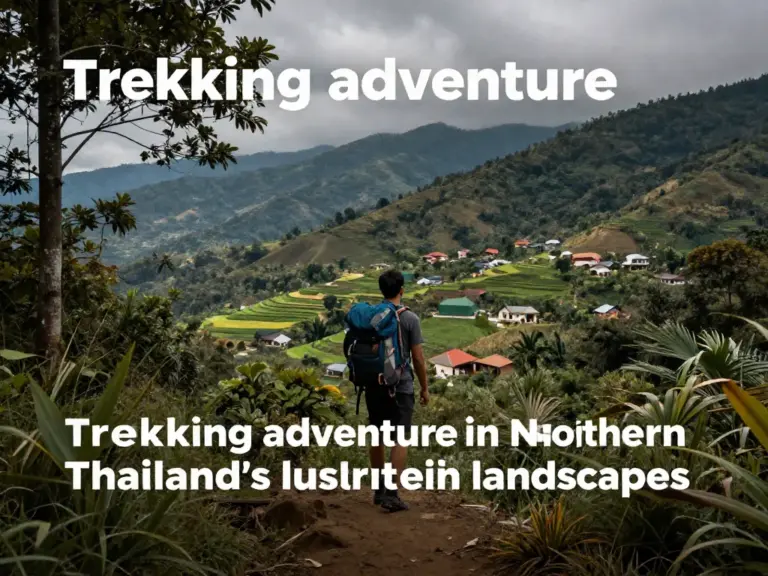
Why Trekking in Northern Thailand Is a Must-Do Adventure for Nature Lovers
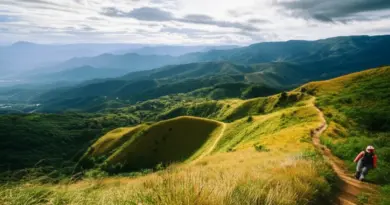
When travelers dream of the Land of Smiles, they often envision pristine beaches and turquoise waters. However, for those seeking a deeper connection with the earth, trekking in Northern Thailand offers an unparalleled experience. Nestled within the rugged terrain of the Golden Triangle, this region is a tapestry of misty mountains, cascading waterfalls, and vibrant ethnic cultures that remain largely untouched by mass tourism.
The Allure of the Northern Highlands
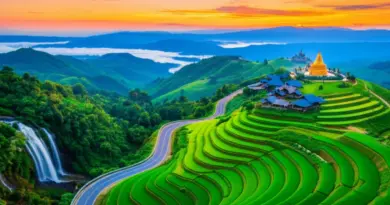
The Northern provinces, particularly Chiang Mai, Chiang Rai, and Mae Hong Son, serve as the gateway to some of Southeast Asia’s most spectacular hiking trails. Unlike the tropical humidity of the southern islands, the north provides a refreshing, cooler climate, making it ideal for multi-day expeditions. Here, the landscape shifts from dense, ancient rainforests to sprawling terraced rice paddies that cling to the steep mountainsides.
Connecting with Hill Tribe Cultures
What truly sets trekking in Northern Thailand apart from hiking elsewhere in the world is the human element. The mountains are home to diverse hill tribe communities, including the Karen, Lisu, and Hmong peoples. Trekking allows you to move beyond the tourist trails and engage in authentic cultural exchanges. You might find yourself enjoying a cup of locally grown coffee with a village elder or learning about traditional weaving techniques that have been passed down for generations.
Unmissable Trekking Destinations
If you are planning your adventure, focus on these key areas to maximize your nature experience:
- Doi Inthanon National Park: Known as the “Roof of Thailand,” it offers high-altitude trails with unique flora and fauna.
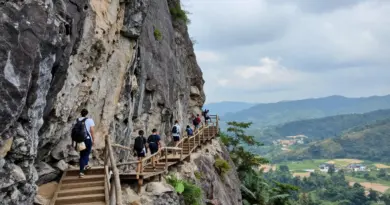
- Chiang Dao: A majestic limestone massif perfect for those looking for challenging climbs and stunning panoramic views.
- Mae Hong Son Loop: Ideal for remote trekking where the trails are quiet and the wilderness feels infinite.
Essential Preparation for Your Trek
Preparation is key to a successful journey. While many guided tours are available, it is essential to check official tourism guidelines to ensure your trek supports sustainable practices. Pack light, wear sturdy footwear, and always carry a reusable water bottle to minimize your plastic footprint in these pristine environments.
คำถามที่พบบ่อย (FAQ)
Yes, there are many trails suitable for beginners. It is highly recommended to hire a local guide who knows the terrain and can ensure your safety.
Most standard trekking routes do not require permits, but if you venture into protected national parks, there may be an entry fee.
Pack breathable clothing, comfortable hiking boots, a hat, sunscreen, insect repellent, and a basic first-aid kit.
References
Department of National Parks, Wildlife and Plant Conservation