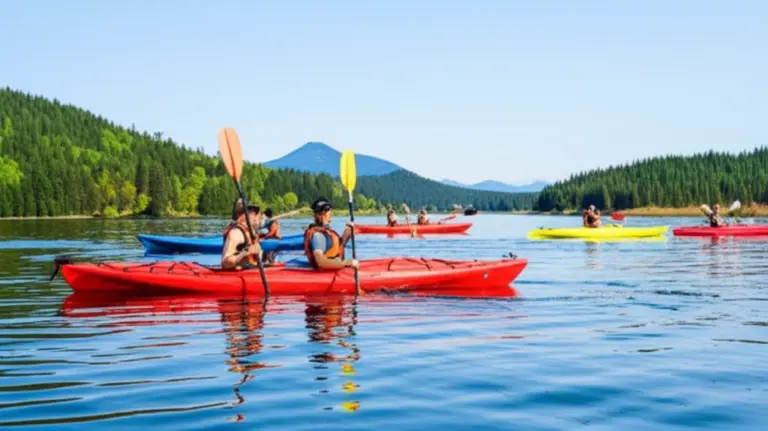
Ultimate Guide to Kayaking: Everything Beginners and Enthusiasts Need to Know
- Ultimate Guide to Kayaking: Everything Beginners and Enthusiasts Need to Know
Welcome to the ultimate resource for anyone looking to dip their paddle into the thrilling world of kayaking. Whether you are a complete novice or an experienced paddler seeking new horizons, this comprehensive Kayaking guide for beginners and experts will equip you with the knowledge needed for safe and spectacular adventures. For those planning an exotic getaway, kayaking offers an unparalleled perspective on the stunning limestone karsts and crystal-clear waters that define Thailand tourism. Prepare to transform your vacation from a passive viewing experience into an active, immersive journey.
Why Kayaking is the Perfect Adventure for Thailand Tourism
Thailand is globally renowned for its breathtaking coastlines, but many travelers only experience these wonders from the deck of a crowded tour boat. Kayaking provides intimacy and control, allowing you to silently glide into areas inaccessible to larger vessels—the famous “hongs” (hidden lagoons inside islands) of Phang Nga Bay, for example.
The Allure of Thai Waters
The warm, tropical waters of the Andaman Sea and the Gulf of Thailand are ideal for paddling year-round. The visibility is often excellent, allowing glimpses of vibrant coral reefs and marine life below. Furthermore, the numerous sheltered bays and islands provide calm conditions, making it an ideal environment for even the most cautious beginner.
Kayaking vs. Longtail Boat Tours
| Feature | Kayaking | Longtail Boat Tour |
|---|---|---|
| Accessibility | Access to caves, hongs, and shallow reefs. | Limited to deeper waters and main beaches. |
| Environmental Impact | Low (silent, no fuel emissions). | Higher (noise pollution, fuel consumption). |
| Physical Activity | High (Excellent exercise). | Low (Passive transport). |
| Cost | Often cheaper (rental only) or mid-range (guided tour). | Variable, often higher for private charters. |
Choosing Your Kayak Adventure
The first step in your kayaking journey is understanding the equipment and environment. The choice of kayak and location greatly influences your experience.
Types of Kayaks (Sit-on-Top vs. Sit-Inside)
-
Sit-on-Top (SOT):
Best for Beginners & Warm WatersSOT kayaks are stable, easy to get onto, and perfect for the tropical climate of Thailand. If you capsize, reentry is simple. They are the standard for guided sea tours.
-
Sit-Inside (SIK):
Best for Enthusiasts & Long DistancesSIK kayaks offer better protection from the elements and more efficient paddling, ideal for longer expeditions. Requires basic rescue training due to the difficulty of re-entry after capsizing.
Sea Kayaking vs. Inland Water Paddling
The majority of kayaking in Thailand is sea kayaking (saltwater), especially around Phuket, Krabi, and Koh Lipe. However, inland paddling (freshwater) in places like Khao Sok National Park offers a tranquil experience among rainforests and stunning lake scenery. Sea kayaking demands more awareness of tides and weather, while freshwater kayaking is generally calmer but may require different gear for navigating submerged logs or vegetation.
Essential Gear and Safety Checklist
Safety should always be the priority. While many tour operators provide basic gear, knowing what to check for and what personal items to bring is crucial. This is a critical part of any comprehensive Kayaking guide for beginners.
Must-Have Equipment
- Personal Flotation Device (PFD): Always wear a properly fitted life jacket. Even strong swimmers can be overwhelmed by currents or fatigue.
- Paddle: Ensure it is the correct length for your height and kayak type.
- Dry Bag: Essential for protecting phones, cameras, and keys from salt water.
- Sun Protection: High SPF sunscreen, wide-brimmed hat, and polarized sunglasses are non-negotiable in the tropical Thai sun.
Critical Safety Tips for Tropical Waters
Watch the Weather!
Tropical storms and squalls can appear rapidly. Never paddle out if the weather looks uncertain. Always check local marine forecasts. If you are far from shore and a storm hits, paddle towards the nearest sheltered bay or island immediately.
- Hydration: Carry significantly more water than you think you need. Dehydration is the biggest risk in Thailand’s heat.
- Tides and Currents: If paddling near islands or through narrow channels (common in Krabi or Phang Nga), understand the tide schedule. Strong currents can quickly drag you into open water.
- Communication: Always tell someone your planned route and estimated return time, even if you are renting from a reputable operator.
Mastering the Basics: Techniques for Beginners
Kayaking technique is about efficiency, not brute strength. Proper form ensures you can paddle longer distances without unnecessary fatigue.
Launching and Landing
When launching from a beach, enter the kayak quickly in shallow water, keeping your center of gravity low. Use your paddle braced against the sand or shore for stability. When landing, approach the shore slowly, parallel to the waves, and step out quickly once the kayak grounds.
Essential Strokes (Forward, Sweep, Reverse)
- The Forward Stroke: Rotate your torso, don’t just use your arms. Plant the blade near your toes and pull back until your hand reaches your hip. This engages your core muscles, saving your arms.
- The Sweep Stroke: Used for turning. Extend the paddle far out and sweep it in a wide arc from the bow to the stern. Repeat on the opposite side to continue turning, or on the same side for an aggressive turn.
- The Reverse Stroke: Used for stopping or reversing. Plant the blade near the hip and push forward towards the bow.
Visual Guide to Basic Kayak Strokes
Top Kayaking Destinations in Thailand
Thailand offers some of the world’s most spectacular paddling environments. Here are three must-visit spots perfect for incorporating kayaking into your Thailand tourism itinerary.
Phang Nga Bay (Limestone Karsts)
Located between Phuket and Krabi, Phang Nga Bay is the undisputed king of sea kayaking in Thailand. The massive limestone islands rising vertically from the emerald green water create a labyrinth of sea caves and hidden lagoons (hongs). Many tours utilize inflatable kayaks guided by local experts who know exactly when the tides allow access to these secret worlds.
Krabi and Ao Nang (Hidden Lagoons)
Krabi offers diverse paddling opportunities, from mangrove forests at Ao Thalane to the open sea around Railay Beach. The calm, warm waters here make it a superb spot for beginners practicing control and enjoying the stunning coastal views.
Khao Sok National Park (Freshwater Lakes)
For a change of pace, Khao Sok National Park offers incredible freshwater kayaking on Cheow Lan Lake. Paddling among the jungle-covered peaks submerged in the vast reservoir provides a serene, wildlife-rich experience far removed from the bustling coastal towns.
Explore the Kayaking Hotspots of Southern Thailand
คำถามที่พบบ่อย (FAQ)
While kayaking is relatively safe, non-swimmers should always wear a PFD (life jacket) and paddle only with a guided tour, especially in the ocean. Reputable tour operators in Thailand prioritize safety and often use very stable sit-on-top kayaks, making it possible for non-swimmers to enjoy the experience safely.
The best season is the dry season, generally November through April, when the seas are calmest and the weather is reliably sunny. However, kayaking is possible year-round; during the monsoon season (May to October), tours may be restricted or canceled due to rougher seas, particularly on the open water.
For short, guided tours (1-3 hours) in calm waters, kayaking is not overly demanding—if you use proper technique (torso rotation). Longer expeditions or paddling against strong tides require a moderate level of fitness. Always start with shorter trips to build endurance.