What is kayaking and which types of kayaks are best for different activities and water conditions?
- What is kayaking and which types of kayaks are best for different activities and water conditions?
- The Essence of Kayaking: A Perfect Adventure for Thailand Tourism
- Understanding Kayak Types: Matching Vessel to Water
- Choosing the Right Kayak for Specific Activities
- Kayaking in Thailand: Where Adventure Meets Paradise
- Safety and Essential Gear for Thai Waters
- คำถามที่พบบ่อย (FAQ)
- Is kayaking dangerous for beginners?
- What is the difference between a kayak and a canoe?
- Which part of Thailand is best for sea kayaking?
Kayaking is one of the most rewarding ways to connect with nature, offering silent access to pristine waterways and hidden coves. For visitors interested in kayaking in Thailand, understanding the fundamentals of the sport and choosing the right equipment is crucial for a safe and unforgettable adventure. This guide defines what kayaking entails and provides an expert breakdown of the different types of kayaks best suited for the diverse activities and water conditions you might encounter, from the calm lakes of Chiang Mai to the majestic limestone karsts of Phang Nga Bay.
The Essence of Kayaking: A Perfect Adventure for Thailand Tourism
At its core, kayaking involves paddling a small, narrow boat called a kayak using a double-bladed paddle. Originating centuries ago with the Inuit people, the modern kayak has evolved into a versatile vessel used for recreation, fishing, touring, and whitewater sports. Unlike canoeing, where the paddler uses a single-bladed paddle and typically kneels, kayaking positions the paddler seated low, often with their legs extended, utilizing the double-bladed paddle for efficient propulsion and steering.
Defining the Kayak
Modern kayaks are typically made from rotationally molded plastic, fiberglass, or composite materials. Key characteristics include the hull (the body of the boat), the cockpit (where the paddler sits), and the deck. The shape of the hull—whether rounded for speed or flat for stability—is the primary factor determining how the kayak performs in different water environments.
Understanding Kayak Types: Matching Vessel to Water
Sit-on-Top Kayaks (SOT)
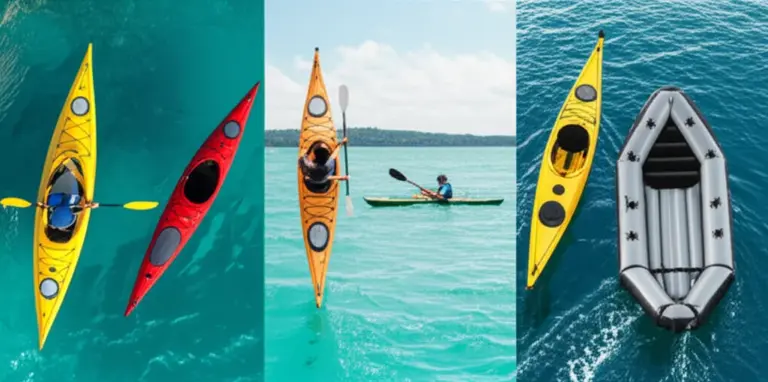
SOT kayaks are the most popular choice for rental operations and recreational paddlers, especially in warm climates like Thailand. The paddler sits on top of the hull, making them exceptionally easy to enter and exit. They are self-bailing, meaning water drains out through scupper holes, making them inherently safer and less prone to swamping.
- Best For: Beginners, fishing, swimming access, warm coastal waters, and gentle lakes.
- Drawbacks: Slower, less efficient paddling, and the paddler is exposed to the elements.
Sit-Inside Kayaks (Traditional)
Sit-inside kayaks (often referred to as touring or sea kayaks) feature an enclosed cockpit, offering more protection from wind and spray. They are typically longer and narrower than SOTs, designed for tracking straight and maintaining higher speeds over long distances. They often include watertight bulkheads for storage and buoyancy.
- Best For: Long-distance touring, cold water, rough seas, and experienced paddlers seeking efficiency.
- Drawbacks: Requires learning self-rescue techniques (like the Eskimo roll) if capsized.
Inflatable and Folding Kayaks
These are ideal for travelers and those with limited storage space. Modern inflatable kayaks are surprisingly robust and stable, often utilizing drop-stitch technology to achieve high pressure and rigid performance. Folding kayaks (like Oru Kayaks) offer rigidity comparable to hard shells but can be neatly packed away.
- Best For: Travelers flying internationally, car-top transportation, and casual paddling on lakes or calm bays.
- Drawbacks: Slower than hard shells; potential for punctures (though rare in quality models).
Choosing the Right Kayak for Specific Activities
| Activity/Condition | Best Kayak Type | Key Features Needed |
|---|---|---|
| Coastal Exploration (Phang Nga, Krabi) | Sit-on-Top or Short Touring Kayak | High initial stability, good maneuverability for cave/hong entrance, durability against barnacles. |
| Lake/Reservoir Paddling (Chiang Mai, Khao Sok) | Recreational Sit-Inside or Inflatable | Comfort, tracking ability, moderate storage. |
| Long Distance/Open Sea Touring | Sea Kayak (Sit-Inside) | Length (14+ feet), rudder or skeg, watertight bulkheads, secondary stability. |
| Whitewater/Rapids | Specialized Whitewater Kayak | Short, highly rockered hull, extreme durability (not commonly used by tourists in Thailand). |
Sea Kayaking and Coastal Exploration (Thailand focus: Andaman Sea, Gulf of Thailand)
The spectacular coastline of Thailand—particularly the Andaman coast around Krabi and Phuket—is world-famous for sea kayaking in Thailand. For paddling through the iconic limestone caves (hongs) and around the karst islands, maneuverability and high initial stability are key. Most tour operators utilize durable, stable Sit-on-Top kayaks, which are perfect for the warm water and ease of getting in and out for snorkeling or swimming.
Kayaking in Thailand: Where Adventure Meets Paradise
Whether you are exploring the hidden lagoons of Ko Hong or paddling silently through the dense mangrove forests near Ao Thalane, kayaking offers a unique perspective on the Kingdom’s natural beauty. The primary focus for tourists is recreational paddling, making SOT kayaks the dominant choice. Remember to check local regulations and tide charts, especially when exploring sea caves, as water levels can change rapidly.
Visualizing the Adventure
See the stunning scenery that makes sea kayaking in Krabi one of Thailand’s premier tourist activities.
Safety and Essential Gear for Thai Waters
Safety is paramount, especially when paddling in unfamiliar tropical waters. Always wear a personal flotation device (PFD), even if you are an experienced swimmer. Sun protection (hat, sunglasses, high SPF sunscreen) is non-negotiable due to the intense tropical sun. Finally, having a dry bag for electronics and valuables is essential, as even SOT kayaks can take on spray.
Tropical Paddling Tip
Always carry plenty of water and wear lightweight, quick-drying clothing. Dehydration and heat exhaustion are the biggest risks when enjoying extended periods of kayaking in Thailand.
คำถามที่พบบ่อย (FAQ)
No. Recreational kayaking, especially using stable Sit-on-Top models in calm waters, is very safe and easy to learn. Most rental places in Thailand offer basic instruction before launch. The primary dangers are related to weather, tides, and sun exposure, not the mechanics of paddling itself.
The main difference is the paddle and the seating position. Kayakers use a double-bladed paddle and sit low with their legs forward. Canoeists use a single-bladed paddle and typically kneel or sit on a raised seat. Kayaks are generally narrower and faster for a given length.
The Andaman Coast, particularly the areas around Krabi (Ao Thalane, Ko Hong) and Phang Nga Bay (Ko Panyee, James Bond Island), are widely considered the best for sea kayaking due to the dramatic scenery, calm lagoons, and intricate cave systems.
References
Guide to Kayak Types and Water Conditions (External Resource)