Volunteering Opportunities in Thailand: How to Give Back During Your Travels
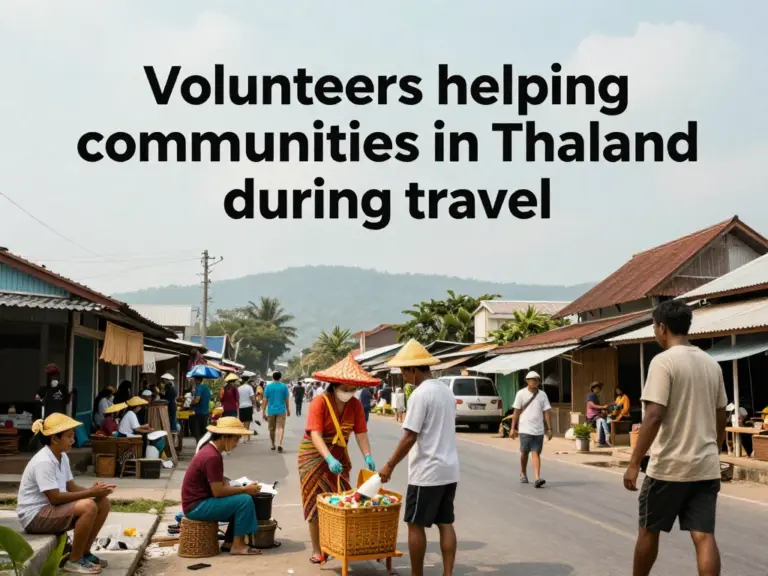
Thailand is more than just stunning beaches, vibrant night markets, and golden temples. For many travelers, the land of smiles offers a profound opportunity to connect with local communities and make a tangible difference. Finding ethical Volunteering Opportunities in Thailand is a fantastic way to enrich your journey, gain new perspectives, and leave a positive footprint behind. Whether you are interested in wildlife conservation, teaching English, or supporting sustainable agriculture, Thailand provides a diverse landscape for impactful service.
Why Choose Volunteering in Thailand?
Volunteering allows you to step off the typical tourist trail and immerse yourself in the authentic Thai culture. Instead of simply observing, you become a participant. It fosters a deeper appreciation for the local way of life and helps address specific needs within the country. From helping rural schools in the north to participating in marine conservation efforts in the south, the rewards are both personal and communal.
Top Areas for Volunteering Opportunities in Thailand
Different regions in Thailand offer unique volunteering experiences. Depending on your skills and interests, you might find yourself in the lush mountains of Chiang Mai or the coastal areas of Phuket and Krabi.
| Sector | Focus Area | Typical Activity |
|---|---|---|
| Education | Chiang Mai / Rural Villages | Teaching English or basic computer skills |
| Wildlife | Kanchanaburi / Chiang Rai | Elephant sanctuary support (non-riding) |
| Environment | Phuket / Koh Lanta | Coral reef restoration and beach cleanups |
1. Wildlife Conservation
Thailand has a long history of wildlife tourism, but it is crucial to choose sanctuaries that prioritize animal welfare. Look for projects that focus on rescue and rehabilitation rather than entertainment. Volunteering here often involves preparing food, cleaning enclosures, and observing animal behavior in a naturalistic environment.
2. Education and Community Development
Many rural schools in Northern Thailand welcome volunteers to assist with conversational English. This not only helps students improve their language proficiency but also provides cultural exchange. It is a rewarding experience that requires patience, empathy, and a willingness to adapt to a simpler lifestyle.
How to Ensure Ethical Volunteering
Before committing to any program, ask yourself: Does this project empower the local community? Does it avoid exploiting vulnerable populations or animals? Ethical volunteering should be transparent. Always read reviews from previous volunteers and look for organizations that are registered NGOs or have clear partnerships with local authorities. Avoid ‘voluntourism’ traps where the primary goal seems to be creating photo opportunities for travelers rather than actual development.
คำถามที่พบบ่อย (FAQ)
Q: Do I need special qualifications to volunteer in Thailand?
A: Generally, no. Many programs welcome enthusiastic individuals willing to learn. However, specific roles like teaching might require a TEFL certificate or university degree. Always check the requirements of the specific organization.
Q: Is it expensive to volunteer?
A: Most reputable organizations charge a fee to cover your accommodation, food, and project costs. Always ask for a breakdown of where your money goes to ensure it is being used effectively.
Q: How long should I volunteer for?
A: Most programs have a minimum commitment, often ranging from one week to one month. Longer stays are usually more beneficial for both you and the community, as they allow for better integration and continuity of projects.