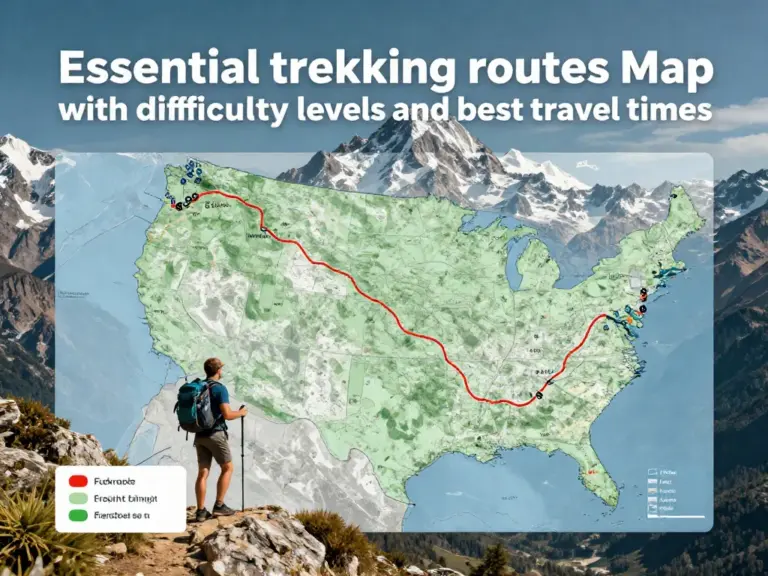
Essential Trekking Routes, Difficulty Levels, and Best Times to Visit
When planning your next adventure, understanding the Essential Trekking Routes, Difficulty Levels, and Best Times to Visit is the cornerstone of a successful trip. Thailand offers more than just pristine beaches; its northern highlands and lush national parks provide some of the most rewarding hiking experiences in Southeast Asia. Whether you are a novice looking for a gentle nature walk or an experienced mountaineer seeking a challenge, knowing when and where to go makes all the difference.
Top Trekking Destinations in Thailand
The most iconic trekking routes are concentrated in the north, particularly around Chiang Mai and Chiang Rai. Locations like Doi Inthanon offer high-altitude trails, while the dense jungles of Khao Sok National Park in the south provide a completely different, humid environment perfect for wildlife spotting.
Chiang Mai: The Gateway to Northern Trails
Chiang Mai is arguably the trekking capital of the country. Trails here range from half-day walks to multi-day expeditions that include stays in remote hill-tribe villages. The terrain is often steep and can be slippery during the rainy season, so choosing the right gear is essential.
Khao Sok National Park: A Tropical Wilderness
For those interested in rainforest trekking, Khao Sok is unmatched. The trails here are less about high altitude and more about navigating dense vegetation and river crossings. It is an immersive experience into one of the world’s oldest rainforests.
Understanding Difficulty Levels
| Difficulty Level | Terrain Type | Recommended Experience |
|---|---|---|
| Easy | Flat, well-marked paths | Beginner / Families |
| Moderate | Inclines, uneven ground | Active hikers |
| Challenging | Steep, remote, multi-day | Experienced/Fit |
Best Times to Visit for Trekking
The climate is the most significant factor when planning your trek. Generally, the cool season from November to February is considered the best time to visit. During these months, the temperatures are comfortable, and the risk of rain is minimal. March and April can be quite hot and smoky due to agricultural burning, while the rainy season (June to October) makes trails muddy and difficult to navigate, though the waterfalls are at their most spectacular.
คำถามที่พบบ่อย (FAQ)
What is the best month to go trekking in Northern Thailand?
The months of November through February are ideal. The weather is cool and dry, providing the most pleasant conditions for hiking through mountainous terrain.
Do I need a guide for trekking in Thailand?
While some trails are marked, hiring a local guide is highly recommended, especially for remote areas. They provide safety, cultural insight, and navigation expertise.
What should I pack for a trekking trip?
Essential gear includes sturdy hiking boots, moisture-wicking clothing, a high-quality backpack, insect repellent, a first-aid kit, and plenty of water.
Are there dangerous animals on the trails?
While Thailand’s jungles are home to various wildlife, most animals avoid human contact. Staying on marked trails and keeping a respectful distance is usually sufficient to stay safe.