A Guide to Ecotourism in Thailand: How to Travel Responsibly
- A Guide to Ecotourism in Thailand: How to Travel Responsibly
- What is Ecotourism and Why is it Important for Thailand?
- Choosing Eco-Friendly Accommodation and Operators
- Responsible Wildlife Encounters
- Supporting Local Communities and Cultures
- Minimizing Your Environmental Footprint
- Getting Around Responsibly
- Becoming a Responsible Ecotourist: Practical Tips
- คำถามที่พบบ่อย (FAQ)
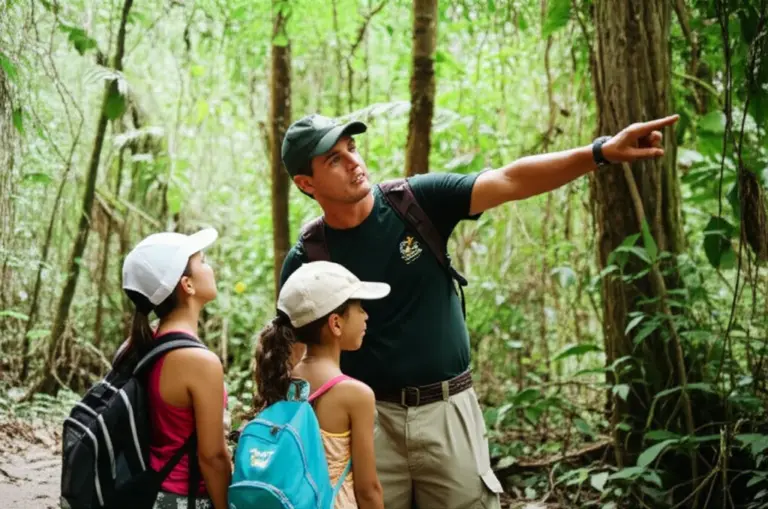
Thailand, the ‘Land of Smiles,’ beckons millions of travelers each year with its stunning beaches, vibrant culture, and lush landscapes. While traditional tourism can sometimes strain local resources and environments, a growing movement towards ecotourism in Thailand offers a path to explore this enchanting country while making a positive impact. This comprehensive guide will illuminate how you can travel responsibly, ensuring your adventures contribute to the preservation of Thailand’s natural wonders and the well-being of its communities. By embracing ecotourism principles, you become an active participant in safeguarding the very beauty you came to admire.
What is Ecotourism and Why is it Important for Thailand?
Ecotourism is more than just traveling to natural areas; it’s about minimizing your footprint, respecting local cultures, and directly contributing to conservation efforts and the economic well-being of local populations. It’s a philosophy that encourages travelers to be mindful of their environmental and social impact. For a country as biodiverse and culturally rich as Thailand, the importance of ecotourism cannot be overstated.
Defining Ecotourism
At its core, ecotourism involves responsible travel to natural areas that conserves the environment, sustains the well-being of the local people, and involves interpretation and education. This means choosing tour operators and accommodations that prioritize sustainability, engaging in activities that don’t harm wildlife or ecosystems, and ensuring your money benefits the communities you visit. It’s a holistic approach to travel that considers the long-term health of both the environment and society.
The Fragile Beauty of Thailand
Thailand boasts an incredible array of natural wonders, from the ancient rainforests of Khao Yai National Park to the pristine coral reefs of the Andaman Sea. This natural heritage supports a vast diversity of flora and fauna, many of which are unique to the region. However, these delicate ecosystems are vulnerable to the pressures of mass tourism, including pollution, habitat destruction, and disruption to wildlife. Responsible travel helps protect these irreplaceable assets for future generations.
The Impact of Unchecked Tourism
Without responsible practices, tourism can lead to significant environmental degradation. Overcrowding, improper waste disposal, unsustainable resource consumption, and unethical animal encounters can severely damage natural habitats and disrupt local communities. Ecotourism offers an alternative, promoting practices that mitigate these negative impacts and instead foster a regenerative approach to travel.
Choosing Eco-Friendly Accommodation and Operators
Your choice of where to stay and who to travel with significantly impacts your ecotourism journey. Look for establishments and operators committed to sustainable practices.
Certified Eco-Lodges and Resorts
Many accommodations in Thailand are now adopting eco-friendly measures, from reducing plastic waste and conserving water to using renewable energy. Look for certifications from reputable organizations or check their websites for detailed information on their sustainability initiatives. These often include supporting local employment, sourcing food locally, and implementing robust recycling programs.
Selecting Responsible Tour Operators
When booking tours, especially those involving wildlife or natural areas, research the operator’s practices. A responsible operator will prioritize the well-being of animals, adhere to ‘leave no trace’ principles, educate tourists on local customs and environmental etiquette, and ensure benefits flow back to local communities. Avoid operators that promise direct interaction with wild animals or activities that seem too good to be true.
Responsible Wildlife Encounters
Thailand is home to incredible wildlife, including elephants, monkeys, and diverse marine life. Ethical wildlife tourism focuses on observation in natural habitats, minimizing disturbance, and supporting genuine conservation.
Avoiding Elephant Riding and Exploitative Animal Attractions
One of the most critical aspects of responsible wildlife tourism in Thailand is avoiding activities like elephant riding, bathing with elephants (unless it’s a genuine sanctuary where elephants are not forced), tiger temples, or shows involving animals. These activities often involve cruel training methods and can be detrimental to animal welfare. Educate yourself and choose ethical alternatives.
Supporting Ethical Sanctuaries and Conservation Projects
Instead, seek out genuine elephant sanctuaries that prioritize the animals’ welfare and allow them to roam freely. Reputable sanctuaries do not offer rides or forced interactions. Similarly, support marine conservation efforts by choosing dive and snorkel operators that follow strict guidelines to protect coral reefs and marine life. Volunteering at accredited conservation projects can also be a deeply rewarding ecotourism experience.
Supporting Local Communities and Cultures
Ecotourism is not just about nature; it’s about people. Ensuring that your visit benefits local communities is a cornerstone of responsible travel.
Community-Based Tourism Initiatives
Thailand has many community-based tourism (CBT) projects, particularly in rural and ethnic minority areas. These initiatives allow visitors to experience authentic local life, often through homestays, cooking classes, or traditional craft workshops. By participating, you directly contribute to the economic empowerment of these communities, helping them preserve their traditions and way of life.
Respecting Local Customs and Traditions
Thailand is a deeply spiritual country with strong cultural traditions. Dress modestly, especially when visiting temples or rural villages. Learn a few basic Thai phrases, ask for permission before taking photos of people, and always remove your shoes before entering homes or temples. Understanding and respecting local etiquette enriches your experience and shows genuine appreciation.
Buying Local and Fair Trade
Support local artisans and businesses by purchasing handmade crafts, local produce, and traditional goods directly from the creators. This ensures your money stays within the community and supports traditional skills. Look for fair trade certifications where applicable.
Minimizing Your Environmental Footprint
Every action, no matter how small, contributes to your overall environmental impact. Being mindful of your resource consumption is key to responsible ecotourism.
Reduce, Reuse, Recycle
Minimize waste by refusing single-use plastics, carrying a reusable water bottle (many places offer refills), and using reusable shopping bags. If recycling facilities are available, use them. When exploring natural areas, always take your trash with you.
Conserving Water and Energy
Be mindful of your water and energy consumption in hotels and guesthouses. Turn off lights and air conditioning when leaving your room, and take shorter showers. Even small changes accumulate to a significant difference.
Responsible Waste Management
Dispose of waste properly. In many rural areas, waste management infrastructure may be limited. If you cannot find a proper bin, consider carrying your non-organic waste until you find a suitable disposal point. Avoid littering at all costs, especially in natural areas and on beaches.
Plastic-Free Travel Tips
Thailand is making efforts to reduce plastic, but it’s still prevalent. Bring your own reusable water bottle, coffee cup, and cutlery set. Decline plastic bags at shops. These small habits significantly reduce your plastic footprint.
Getting Around Responsibly
Transportation contributes a significant portion of a traveler’s carbon footprint. Choosing greener options is an important part of ecotourism.
Public Transport and Eco-Friendly Options
Utilize Thailand’s extensive public transportation network, including trains, buses, and local songthaews. These are often more fuel-efficient per passenger than private taxis. For shorter distances, consider walking or cycling. When possible, choose direct flights to reduce emissions.
Carbon Offsetting
While not a perfect solution, carbon offsetting allows you to invest in projects that reduce greenhouse gas emissions elsewhere to compensate for your travel emissions. Many airlines offer this option, or you can choose a reputable third-party organization.
Becoming a Responsible Ecotourist: Practical Tips
Embracing ecotourism is a journey of continuous learning and mindful choices. Here’s a summary of practical tips to help you become a more responsible traveler in Thailand:
- Research and choose certified eco-friendly accommodations and tour operators.
- Avoid all forms of animal exploitation, especially elephant riding and tiger temples.
- Support community-based tourism (CBT) initiatives and local businesses.
- Respect local customs, traditions, and religious sites. Dress modestly.
- Reduce your waste by using reusable items (water bottles, bags, cutlery).
- Conserve water and energy in your accommodation.
- Dispose of all waste properly and never litter.
- Use public transport or eco-friendly alternatives whenever possible.
- Learn about the local environment and culture to deepen your appreciation.
Watch: Thailand’s Eco-Tourism: The Sustainable Adventure You NEED to Experience!
For a visual journey into the world of sustainable travel in Thailand, watch this insightful video:
By following these guidelines, you can ensure that your exploration of Thailand is not only unforgettable for you but also beneficial for the planet and its people. Your choices as a traveler have the power to shape the future of tourism.
คำถามที่พบบ่อย (FAQ)
Conclusion
Ecotourism in Thailand offers a profound way to connect with this incredible country, its people, and its natural environment. By choosing to travel responsibly, you not only embark on a more meaningful journey but also become a vital part of the solution, helping to preserve Thailand’s unique charm for generations to come. Your conscious choices have the power to create a lasting positive legacy.
References
- Tourism Authority of Thailand (TAT) Official Website
- World Animal Protection
- Responsible Travel
- The International Ecotourism Society (TIES)
- What is ecotourism and why Thailand is a top destination for responsible travel (benefits, principles, and how to choose authentic eco experiences)
- Planning your sustainable Thailand trip: best seasons, eco-friendly transport, low-impact accommodations, and packing tips for responsible travelers
- Top ecotourism destinations in Thailand and what to do: community-based tourism in Chiang Mai, marine conservation in Phuket/Koh Phi Phi, rainforest treks in Khao Sok, and wildlife sanctuaries in Khao Yai