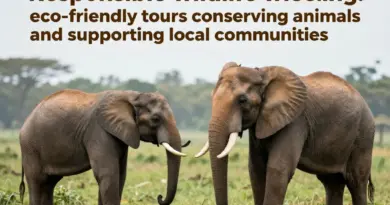
What is ecotourism and why Thailand is a top destination for responsible travel (benefits, principles, and how to choose authentic eco experiences)
- What is ecotourism and why Thailand is a top destination for responsible travel (benefits, principles, and how to choose authentic eco experiences)
- What is Ecotourism? Principles and Benefits
- Thailand: A Premier Ecotourism Destination
- Choosing Authentic Eco Experiences in Thailand
- Conclusion
- คำถามที่พบบ่อย (FAQ)
- What is the main goal of ecotourism?
- How can I identify an authentic eco-friendly tour operator in Thailand?
- What are some examples of ecotourism activities in Thailand?
- Why is it important to support local communities through ecotourism?
In an era where global consciousness about environmental preservation and cultural respect is rapidly growing, the concept of ecotourism has emerged as a beacon for sustainable travel. For those passionate about exploring the world without leaving a detrimental footprint, understanding what ecotourism entails is paramount. This article delves into the core principles and myriad benefits of ecotourism, spotlighting why Thailand, with its breathtaking natural beauty and rich cultural heritage, stands out as a premier destination for responsible travel. When considering ecotourism Thailand, it’s essential to grasp how to identify and engage with genuinely authentic eco experiences that benefit both visitors and local communities alike.
What is Ecotourism? Principles and Benefits
Ecotourism is defined by The International Ecotourism Society (TIES) as “responsible travel to natural areas that conserves the environment, sustains the well-being of the local people, and involves interpretation and education.” It’s more than just visiting natural sites; it’s about a holistic approach to travel that prioritizes sustainability and ethical engagement. This philosophy is built upon several foundational principles, ensuring that travel contributes positively to the planet and its inhabitants.
Core Principles of Ecotourism
-
Minimize Impact: Ecotourism aims to reduce the negative environmental and cultural impacts of travel, focusing on low-impact activities and infrastructure. -
Build Awareness: It educates travelers about the local environment and cultural nuances, fostering appreciation and understanding. -
Provide Financial Benefits for Conservation: A portion of tourism revenue is directed towards the conservation of natural and cultural heritage. -
Provide Financial Benefits and Empowerment for Local People: It supports the economic well-being of local communities through employment and equitable distribution of benefits. -
Support Human Rights: Ensuring fair practices and respecting the rights and traditions of indigenous and local communities.
Benefits of Ecotourism
-
Environmental Preservation: By emphasizing conservation and sustainable practices, ecotourism helps protect biodiversity, natural habitats, and fragile ecosystems from degradation. -
Cultural Preservation: It encourages the appreciation and preservation of local cultures, traditions, and indigenous knowledge, often providing economic incentives for communities to maintain their heritage. -
Economic Benefits for Local Communities: Ecotourism generates direct income for local residents through employment, small businesses, and the sale of local goods, reducing reliance on unsustainable practices. -
Educational Opportunities: Travelers gain a deeper understanding of environmental issues, local customs, and conservation efforts, fostering a sense of global citizenship.
Thailand: A Premier Ecotourism Destination
Thailand, often called the “Land of Smiles,” is renowned for its vibrant culture, exquisite cuisine, and stunning landscapes. Beyond its popular beaches and bustling cities, Thailand is increasingly recognized as a leading destination for responsible travel and ecotourism. Its commitment to preserving its natural and cultural assets makes ecotourism Thailand a truly rewarding experience.
Rich Biodiversity and Natural Beauty
Thailand boasts an incredible array of ecosystems, from the lush rainforests and mist-shrouded mountains of the north to the pristine coral reefs and limestone karsts of the Andaman Sea. The country is home to numerous national parks and wildlife sanctuaries, protecting diverse flora and fauna, including elephants, tigers, gibbons, and a spectacular variety of marine life. These natural wonders provide the perfect backdrop for eco-conscious adventures.
Commitment to Responsible Tourism
The Tourism Authority of Thailand (TAT) has actively promoted responsible tourism initiatives under campaigns like “Responsible Thailand.” These efforts focus on encouraging sustainable practices among tourists and tourism operators alike. Community-based tourism (CBT) has gained significant traction, allowing visitors to engage directly with local communities, learn about their way of life, and contribute to their economic empowerment.
Examples of Eco-Experiences in Thailand
-
Ethical Elephant Sanctuaries: Instead of riding elephants, visitors can choose sanctuaries that focus on rescue, rehabilitation, and providing a natural habitat for these magnificent creatures, supporting their well-being and local conservation efforts. -
Marine Conservation Projects: Opportunities exist for snorkeling, diving, and volunteering with organizations dedicated to protecting Thailand’s coral reefs and marine life, particularly in areas like the Andaman Sea and the Gulf of Thailand. -
Community-Based Homestays: Staying in traditional villages, such as those in Northern Thailand or remote islands, allows travelers to experience local culture firsthand, participate in daily activities, and directly support the community’s economy. -
National Park Exploration: Trekking through national parks like Khao Yai or Doi Inthanon offers chances to observe wildlife, explore waterfalls, and appreciate untouched natural landscapes while adhering to park regulations that protect these areas.
Choosing Authentic Eco Experiences in Thailand
With the growing popularity of ecotourism, it’s crucial for travelers to discern genuine eco-friendly experiences from those that merely greenwash. Here’s how to ensure your responsible travel contributes positively to ecotourism Thailand.
Researching Tour Operators and Accommodations
-
Look for Certifications: Seek out operators and accommodations that hold recognized ecotourism certifications or are part of reputable sustainable tourism networks. These certifications often indicate adherence to strict environmental and social standards. -
Read Reviews and Testimonials: Check reviews from other responsible travelers, focusing on comments related to environmental practices, community engagement, and animal welfare. -
Transparency in Operations: Authentic eco-operators will be transparent about their practices, how they support local communities, and their conservation efforts. Ask questions if information isn’t readily available.
Supporting Local Communities
One of the cornerstones of ecotourism is ensuring that economic benefits remain within the local community. Choose locally owned guesthouses, restaurants, and tour guides. Purchase souvenirs directly from local artisans, ensuring that your money directly supports their livelihoods and preserves traditional crafts.
Minimizing Environmental Impact
-
Reduce Waste and Conserve Resources: Carry a reusable water bottle, avoid single-use plastics, and be mindful of your water and energy consumption. Dispose of waste responsibly, following local guidelines. -
Respect Wildlife: Maintain a respectful distance from animals, never feed them, and choose activities that do not exploit wildlife for entertainment. -
Stay on Marked Trails: When exploring natural areas, stick to designated paths to prevent damage to fragile ecosystems.
Respecting Local Culture
Cultural sensitivity is as vital as environmental responsibility. Dress modestly when visiting temples or rural areas, especially women. Learn a few basic Thai phrases, ask for permission before taking photos of people, and respect local customs and traditions. Engaging respectfully enriches your experience and shows appreciation for your hosts.
Conclusion
Ecotourism offers a powerful pathway to explore the world in a way that benefits both people and the planet. Thailand, with its diverse natural wonders, vibrant cultural tapestry, and growing commitment to sustainability, presents an unparalleled opportunity for responsible travelers. By understanding the principles of ecotourism and actively choosing authentic eco experiences, you can contribute to the preservation of Thailand’s unique heritage, support its local communities, and embark on a truly meaningful adventure. Embrace responsible travel, and discover the profound beauty of ecotourism Thailand.
คำถามที่พบบ่อย (FAQ)
References
- The International Ecotourism Society (TIES) – What is Ecotourism?
- Thailand Insider – Responsible Tourism
- Tourism Authority of Thailand (TAT) Official Website
- A Guide to Ecotourism in Thailand: How to Travel Responsibly
- Planning your sustainable Thailand trip: best seasons, eco-friendly transport, low-impact accommodations, and packing tips for responsible travelers
- Top ecotourism destinations in Thailand and what to do: community-based tourism in Chiang Mai, marine conservation in Phuket/Koh Phi Phi, rainforest treks in Khao Sok, and wildlife sanctuaries in Khao Yai