Top ecotourism destinations in Thailand and what to do: community-based tourism in Chiang Mai, marine conservation in Phuket/Koh Phi Phi, rainforest treks in Khao Sok, and wildlife sanctuaries in Khao Yai
- Top ecotourism destinations in Thailand and what to do: community-based tourism in Chiang Mai, marine conservation in Phuket/Koh Phi Phi, rainforest treks in Khao Sok, and wildlife sanctuaries in Khao Yai
Thailand, a land of captivating beauty and vibrant culture, is increasingly recognized for its commitment to sustainable travel. For those seeking to explore the country responsibly, focusing on ecotourism destinations in Thailand offers a profound way to connect with nature, support local communities, and contribute to conservation efforts. This guide delves into some of Thailand’s premier ecotourism hotspots, highlighting unique activities that promise an unforgettable and ethical adventure. From the misty mountains of the North to the turquoise waters of the South, discover how you can travel with purpose and leave a positive footprint.
Chiang Mai: Embracing Community-Based Tourism
Nestled in the northern mountains, Chiang Mai is a hub for community-based tourism (CBT), offering travelers authentic cultural exchanges away from conventional tourist trails. CBT initiatives here empower local ethnic communities, allowing visitors to experience traditional ways of life while directly contributing to their economic well-being and cultural preservation.
What to Expect from CBT in Chiang Mai
- Homestays: Live with a local family, share meals, and participate in daily routines. This provides an unparalleled insight into their culture and traditions.
- Traditional Crafts: Learn weaving, pottery, or cooking from skilled artisans. These activities often use sustainable, locally sourced materials.
- Agricultural Immersion: Engage in farming activities like rice planting or harvesting, understanding the local agricultural practices.
- Cultural Performances: Enjoy traditional music, dance, and storytelling, often performed by community members themselves.
Responsible practices are paramount in CBT. Always choose tour operators that work directly with communities, ensure fair wages, and prioritize cultural respect and environmental protection. This form of tourism not only enriches your journey but also fosters sustainable development for the communities you visit.
Phuket and Koh Phi Phi: Marine Conservation Efforts
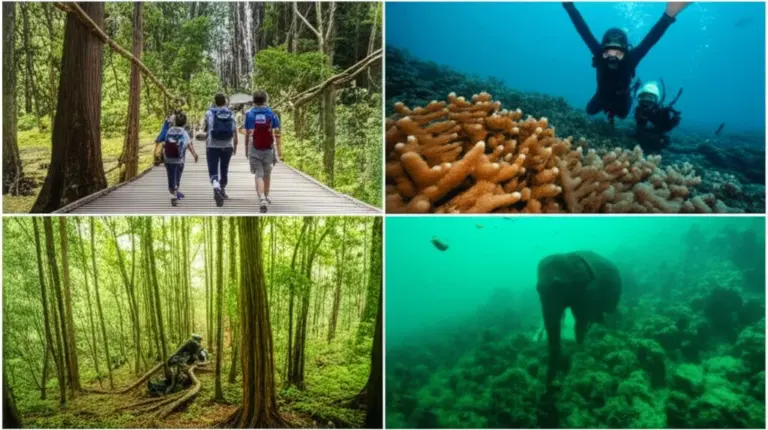
The Andaman Sea, home to the stunning islands of Phuket and Koh Phi Phi, is a global hotspot for marine biodiversity. However, it faces significant environmental challenges due to mass tourism. Marine conservation efforts in these areas focus on protecting delicate coral reefs, preserving marine life, and educating visitors on responsible ocean practices. These are crucial ecotourism destinations in Thailand for marine enthusiasts.
Ethical Marine Activities
- Responsible Diving and Snorkeling: Choose dive centers committed to ethical practices, such as no-touch policies, proper buoyancy control, and avoiding feeding marine life. Many offer opportunities to participate in reef clean-ups or coral restoration projects.
- Marine Park Visits: Respect regulations in protected marine parks, such as avoiding anchoring on coral, using reef-safe sunscreen, and taking all trash with you.
- Wildlife Spotting: Opt for tours that prioritize the well-being of marine animals, keeping a respectful distance from dolphins, sharks, and turtles.
Many local organizations and resorts in Phuket and Koh Phi Phi are actively involved in conservation, from raising awareness about plastic pollution to rehabilitating damaged reefs. Supporting these initiatives ensures the continued beauty and health of Thailand’s precious marine ecosystems.
Khao Sok National Park: Rainforest Treks and Ethical Wildlife Encounters
Khao Sok National Park, located in Surat Thani province, boasts one of the world’s oldest evergreen rainforests, predating the Amazon. Its dramatic limestone karsts, serene Cheow Lan Lake, and incredible biodiversity make it a prime location for rainforest ecotourism. This ancient forest is a testament to the natural wonders found among ecotourism destinations in Thailand.
Exploring the Ancient Forest Responsibly
- Guided Jungle Treks: Explore the dense jungle with experienced local guides who can identify flora and fauna, ensuring you stay on designated paths and minimize disturbance.
- Lake Exploration: Take longtail boat tours on Cheow Lan Lake, marveling at the towering limestone formations and staying in floating raft houses. Choose operators that adhere to quiet zones and responsible waste management.
- Ethical Wildlife Observation: While spotting wildlife like gibbons, hornbills, or even wild elephants is thrilling, always maintain a respectful distance and never attempt to feed or approach animals.
Khao Sok offers a raw, immersive experience into a truly ancient ecosystem. Visitors are encouraged to support local guides and accommodations that prioritize conservation and minimize their environmental impact, helping to preserve this irreplaceable natural heritage.
Khao Yai National Park: Wildlife Sanctuaries and Responsible Viewing
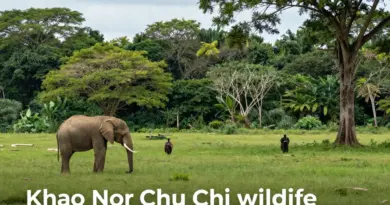
As Thailand’s first national park and a UNESCO World Heritage site, Khao Yai is a vital wildlife sanctuary and another top choice among ecotourism destinations in Thailand. Located northeast of Bangkok, it’s renowned for its diverse ecosystems, including evergreen forests and grasslands, and is home to a spectacular array of wildlife, including wild elephants, gibbons, hornbills, and even tigers (though rarely seen).
Spotting Wildlife Responsibly
- Guided Safaris and Treks: Join park rangers or certified guides for wildlife spotting tours, especially at dawn or dusk when animals are most active. Their expertise ensures safe and ethical viewing.
- Respect Park Regulations: Adhere to speed limits, stay on designated roads and trails, and never feed animals. Littering is strictly prohibited and carries heavy penalties.
- Birdwatching: Khao Yai is a birdwatcher’s paradise. Use binoculars and maintain a quiet demeanor to observe species in their natural habitat without disturbance.
The park’s infrastructure supports responsible tourism, with visitor centers providing educational materials and trained staff. Your visit directly supports the park’s conservation efforts, making Khao Yai an excellent example of how tourism can fund protection.
Why Choose Ecotourism in Thailand?
Choosing ecotourism in Thailand goes beyond a mere vacation; it’s an investment in the future of its natural and cultural heritage. It promotes:
- Environmental Conservation: Minimizing impact and supporting protection efforts.
- Local Empowerment: Providing economic opportunities for communities.
- Cultural Preservation: Encouraging the continuation of traditional practices.
- Educational Enrichment: Learning about ecosystems, cultures, and sustainable living.
Embrace the journey of responsible travel and discover the true essence of Thailand.
Here is a video showcasing Thailand’s commitment to ecotourism:
Locate Khao Yai National Park on the map:
คำถามที่พบบ่อย (FAQ)
| Question | Answer |
|---|---|
| What is ecotourism? | Ecotourism is responsible travel to natural areas that conserves the environment, sustains the well-being of the local people, and involves interpretation and education. It’s about minimizing impact and maximizing positive contributions. |
| How can I ensure my ecotourism trip to Thailand is ethical? | To ensure your trip is ethical, choose certified ecotourism operators, respect local customs and traditions, minimize your waste, conserve resources (water, electricity), support local businesses, and avoid activities that exploit animals or natural resources. |
| Are there specific certifications for ecotourism operators in Thailand? | While specific overarching certifications can vary, look for operators affiliated with reputable conservation organizations, those recognized by the Tourism Authority of Thailand (TAT) for their sustainable practices, or those with positive reviews highlighting their ethical approach. |
| What are some common misconceptions about ecotourism? | A common misconception is that ecotourism is only for hardcore adventurers or that it’s always more expensive. In reality, ecotourism offers diverse experiences for all travelers and often provides better value by directly supporting local economies and authentic experiences. Another is that it’s solely about the environment; it also heavily involves cultural preservation and community welfare. |
References
- Tourism Authority of Thailand (TAT) Official Website
- UNESCO World Heritage Centre – Dong Phayayen-Khao Yai Forest Complex
- The International Ecotourism Society (TIES)
- A Guide to Ecotourism in Thailand: How to Travel Responsibly
- What is ecotourism and why Thailand is a top destination for responsible travel (benefits, principles, and how to choose authentic eco experiences)
- Planning your sustainable Thailand trip: best seasons, eco-friendly transport, low-impact accommodations, and packing tips for responsible travelers