Safety, Permits, and Local Guides: What to Prepare, Hiring Hill-tribe Guides, and Responsible Trekking Practices (permits for trekking Thailand, ethical trekking Pai)
- Safety, Permits, and Local Guides: What to Prepare, Hiring Hill-tribe Guides, and Responsible Trekking Practices (permits for trekking Thailand, ethical trekking Pai)
- Understanding Trekking in Thailand: A Glimpse into the Wilderness
- Safety First: Essential Preparations for Your Trek
- Navigating Permits for Trekking Thailand
- The Role of Local Hill-Tribe Guides: Why They Are Indispensable
- Responsible Trekking Practices: Leave No Trace
- Trekking in Pai: A Case Study in Ethical Exploration
- Conclusion: Trek Responsibly, Explore Authentically
- คำถามที่พบบ่อย (FAQ)
Embarking on a trekking adventure in Thailand offers an unparalleled opportunity to connect with nature, explore vibrant cultures, and witness breathtaking landscapes. From the misty mountains of the North to the lush jungles of the South, Thailand’s diverse terrain beckons adventurers. However, to ensure a safe, enjoyable, and truly enriching journey, proper preparation is key. This comprehensive guide will walk you through essential safety measures, clarify the requirements for permits for trekking Thailand, provide insights into hiring local hill-tribe guides, and champion responsible trekking practices, especially for those considering an ethical trekking Pai experience. By understanding and adhering to these guidelines, you can contribute to sustainable tourism and create memories that last a lifetime.
Understanding Trekking in Thailand: A Glimpse into the Wilderness
Thailand is renowned for its trekking opportunities, particularly in the northern regions like Chiang Mai, Chiang Rai, and Pai. These areas are characterized by undulating hills, dense jungles, cascading waterfalls, and the presence of diverse ethnic hill-tribe communities. Treks can range from leisurely day hikes suitable for families to multi-day expeditions challenging even seasoned adventurers. Popular destinations often include national parks, wildlife sanctuaries, and remote villages, each offering unique scenery and cultural encounters.
Safety First: Essential Preparations for Your Trek
Prioritizing safety is paramount for any trekking expedition. The unpredictable nature of the jungle, combined with potential weather changes, necessitates careful planning.
Physical Fitness & Health
- Assess your fitness level honestly. Most treks require a moderate level of physical endurance.
- Consult your doctor before your trip, especially if you have pre-existing medical conditions.
- Ensure all necessary vaccinations are up-to-date and consider malaria prophylaxis if trekking in high-risk areas.
Gear & Equipment
- Sturdy, comfortable hiking boots or shoes with good grip.
- Lightweight, quick-drying clothing (long sleeves and pants to protect against sun, insects, and scratches).
- Rain gear (poncho or waterproof jacket).
- Insect repellent (with DEET).
- A well-stocked first-aid kit.
- Sufficient water and purification tablets/filter.
- Sunscreen and a hat.
Travel Insurance & Emergency Contacts
Always purchase comprehensive travel insurance that covers trekking activities, medical emergencies, and evacuation. Inform a trusted contact of your itinerary and expected return time. Carry a fully charged phone, though signal can be unreliable in remote areas.
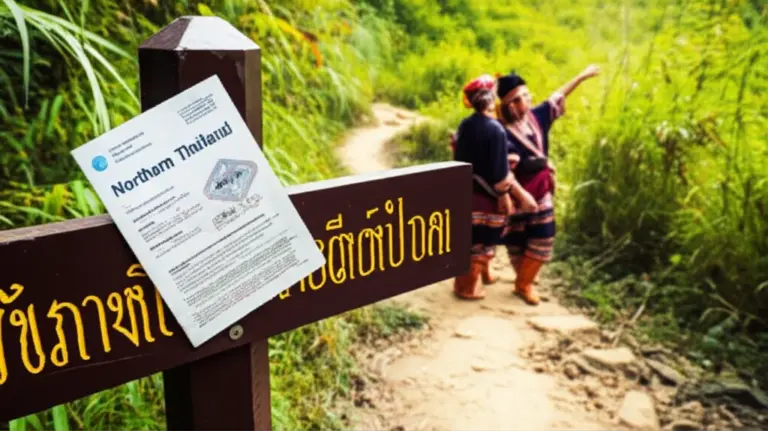
Understanding the requirements for permits for trekking Thailand is crucial, as unauthorized trekking, especially in protected areas, can lead to fines or legal issues. While many popular, well-established trekking routes do not require individual permits for tourists (as they are often covered by tour operators), certain areas, particularly national parks, do.
National Parks and Protected Areas
If your trek takes you through a national park or wildlife sanctuary, you will almost certainly need to pay an entrance fee. These fees contribute to the conservation and maintenance of the park. In some cases, especially for multi-day treks deep into protected areas, specific trekking permits might be required. These are typically arranged by licensed tour operators who have established relationships with park authorities.
Specifics for Pai and Northern Thailand
For treks around Pai and other parts of Northern Thailand that do not enter designated national parks, individual permits are less common for general tourist activities. However, reputable tour operators will often handle any necessary local permissions, especially when visiting hill-tribe villages, to ensure respectful and authorized access. This is part of ensuring ethical trekking Pai practices. Always choose an operator that clearly outlines their permit and community engagement practices.
The Role of Local Hill-Tribe Guides: Why They Are Indispensable
Hiring a local hill-tribe guide is not just a recommendation; it’s often a necessity and a cornerstone of responsible trekking in Thailand.
Unmatched Knowledge and Safety
Local guides possess an intimate knowledge of the terrain, flora, and fauna that no map can replicate. They know safe paths, can identify edible plants and dangerous creatures, and are adept at navigating through dense jungle. In an emergency, their local expertise can be invaluable.
Cultural Insight and Ethical Engagement
A local guide acts as a bridge between visitors and the hill-tribe communities. They can facilitate meaningful cultural exchanges, explain local customs, and help you understand the nuances of their way of life. This direct engagement ensures that your visit is respectful and provides genuine support to the local economy, embodying the principles of ethical trekking Pai and beyond.
Finding Reputable Guides and Operators
When selecting a guide or tour operator, look for those with strong ethical policies. Inquire about how they engage with local communities, ensure fair wages for guides, and minimize environmental impact. Online reviews and recommendations from other travelers can be helpful. Avoid operators that promise ‘authentic’ experiences involving animal exploitation or staged cultural performances.
This video highlights an ethical jungle trekking experience in Northern Thailand, emphasizing the importance of local guides and sustainable tourism practices.
Responsible Trekking Practices: Leave No Trace
Responsible trekking goes beyond just safety and permits; it’s about minimizing your footprint and respecting the environment and local cultures.
Environmental Responsibility
- Leave No Trace: Carry out everything you carry in, including all trash.
- Stick to marked trails to prevent erosion and damage to vegetation.
- Be mindful of campfires; use established fire rings and ensure fires are completely extinguished.
- Dispose of human waste properly, away from water sources.
Cultural Sensitivity & Respect
- Always ask for permission before taking photos of people, especially children.
- Dress modestly, particularly when visiting villages or sacred sites.
- Do not give money or sweets directly to children, as it can foster begging. Support local economies by purchasing crafts from adults.
- Learn a few basic Thai phrases; a simple ‘Sawasdee Krab/Ka’ goes a long way.
Animal Welfare
Avoid any tour or activity that involves riding elephants or interacting with captive wild animals in unnatural settings. Choose sanctuaries that focus on rescue and rehabilitation, where interaction is minimal and on the animals’ terms.
Trekking in Pai: A Case Study in Ethical Exploration
Pai, a charming town in Northern Thailand, is a popular hub for trekking, offering access to stunning natural beauty and hill-tribe cultures. Ensuring ethical trekking Pai experiences means choosing operators who are transparent about their practices. Many local guides in Pai are from the surrounding Lahu, Karen, and Hmong communities, providing invaluable cultural insights and ensuring that tourism benefits their villages directly. When planning your ethical trekking Pai adventure, look for tours that emphasize small groups, cultural exchange, and environmental preservation.
Conclusion: Trek Responsibly, Explore Authentically
Trekking in Thailand is an incredibly rewarding experience that offers a deep dive into the country’s natural beauty and rich cultural tapestry. By taking the time to understand the necessary permits for trekking Thailand, prioritizing your safety, choosing ethical local guides, and adhering to responsible trekking practices, you contribute to the longevity of these precious environments and cultures. Whether you’re navigating the trails of Pai or exploring other regions, a conscious and prepared approach will ensure an authentic, safe, and positive adventure for everyone involved.
คำถามที่พบบ่อย (FAQ)
References
- Department of National Parks, Wildlife and Plant Conservation (DNP)
- G Adventures (Ethical Tour Operator Example)
- Responsible Travel Guidelines
- Trekking in Northern Thailand: The Best Trails around Chiang Mai and Pai — Ultimate Guide for Hikers of All Levels
- Why Trek Northern Thailand? Understanding the Region, Climate, and Best Seasons for Chiang Mai and Pai Hikes (best time to trek Chiang Mai, Pai trekking seasons)
- Top Trails and Day-by-Day Itineraries: From Easy Walks to Multi-Day Treks around Doi Inthanon, Doi Suthep, and Pai’s Mae Yen Valley (best trails Chiang Mai, Pai trekking routes)