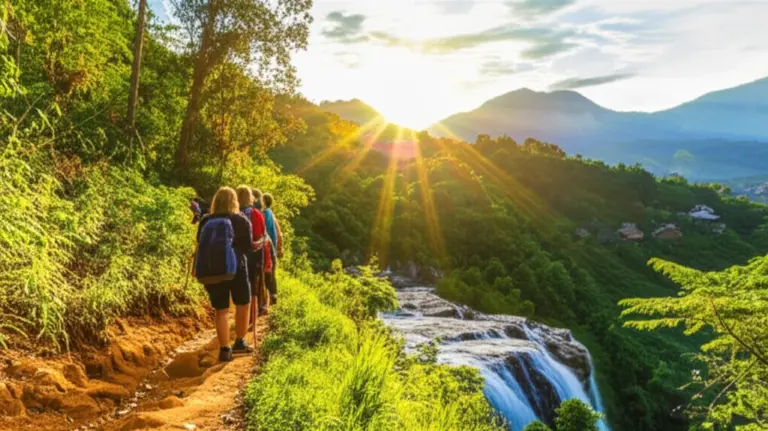
Trekking in Northern Thailand: The Best Trails around Chiang Mai and Pai — Ultimate Guide for Hikers of All Levels
- Trekking in Northern Thailand: The Best Trails around Chiang Mai and Pai — Ultimate Guide for Hikers of All Levels
- Why Embark on a Trekking Adventure in Northern Thailand?
- Best Time to Go Trekking in Northern Thailand
- Essential Preparation for Your Northern Thailand Trek
- Top Trekking Trails Around Chiang Mai
- Discovering the Treks Near Pai
- Ethical and Sustainable Trekking Practices
- Finding Your Perfect Trekking Level
- Video Insight: Jungle Trekking in Northern Thailand
- คำถามที่พบบ่อย (FAQ)
Embark on an unforgettable journey through the lush, emerald landscapes of Southeast Asia. Trekking in Northern Thailand offers an unparalleled blend of natural beauty, cultural discovery, and thrilling adventure. From the bustling cultural hub of Chiang Mai to the bohemian tranquility of Pai, this region is a hiker’s paradise, catering to every skill level, from casual strollers to seasoned mountaineers. This ultimate guide will equip you with all the knowledge needed to plan your perfect Northern Thai trekking experience, ensuring you discover the best trails, prepare effectively, and engage responsibly with the local environment and communities.
Why Embark on a Trekking Adventure in Northern Thailand?
Northern Thailand’s allure lies in its captivating diversity. It’s a realm where mist-shrouded mountains meet vibrant rice paddies, and ancient traditions thrive amidst modern life. For those seeking active exploration, the region presents a dynamic canvas of experiences.
Breathtaking Natural Beauty and Diverse Landscapes
The topography of Northern Thailand is a hiker’s dream. Imagine traversing dense jungles teeming with exotic flora and fauna, discovering hidden waterfalls that cascade into crystal-clear pools, and ascending to panoramic viewpoints offering sweeping vistas of rolling hills. National parks like Doi Inthanon, home to Thailand’s highest peak, and the rugged Mae Taeng ranges, provide an endless array of scenic trails. The landscape transforms with the seasons, from the verdant explosion of the rainy season to the cooler, clearer skies of the dry months, each offering a unique visual spectacle.
Rich Cultural Immersion with Hill Tribes
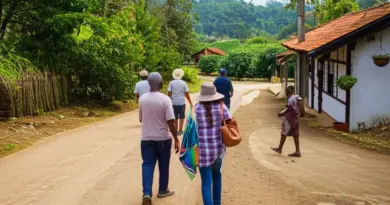
Beyond the natural wonders, trekking in Northern Thailand offers a profound opportunity for cultural exchange. The region is home to numerous ethnic hill tribes, including the Karen, Hmong, Lahu, and Lisu, each preserving their distinct languages, customs, and traditional ways of life. Many treks incorporate visits to remote villages, allowing travelers to witness authentic village life, learn about traditional crafts, and even enjoy overnight homestays, fostering a deeper understanding and appreciation for these unique cultures. Engaging with these communities through responsible tourism can contribute directly to their well-being and the preservation of their heritage.
Accessibility and Variety from Chiang Mai and Pai
Chiang Mai, often dubbed the ‘Rose of the North’, serves as the primary gateway for most trekking adventures. Its well-developed tourism infrastructure makes it easy to arrange tours, find guides, and access transportation to trailheads. Just a few hours’ drive away, the charming town of Pai offers a more laid-back base for exploring its surrounding natural attractions. Both locations provide a wide variety of trekking options, from half-day excursions to challenging multi-day expeditions, ensuring there’s something to match every schedule and fitness level.
Best Time to Go Trekking in Northern Thailand
Plan Your Trek Wisely!
The timing of your trek significantly impacts your experience. Northern Thailand experiences three main seasons, each with its own characteristics for hikers.
Cool Season (November – February)
Widely considered the best time for trekking, the cool season brings pleasant temperatures (10-15°C at night, 25-30°C during the day) and low humidity, making for comfortable hiking conditions. The skies are generally clear, offering excellent visibility for scenic views. This is also peak tourist season, so trails and accommodations can be busier. [6, 8, 15]
Rainy Season (June – October)
Don’t be deterred by the name! The ‘green season’ offers incredibly lush landscapes, vibrant waterfalls, and fewer crowds. While rain can be frequent, it often comes in short, heavy bursts, leaving clear skies afterwards. Trails can be slippery and challenging, but the reward is a truly magnificent natural spectacle. Some operators even prefer this season for its mild temperatures and stunning scenery. [6, 8, 12]
Hot Season (March – May)
This period is generally not recommended for extensive trekking due to intense heat, high humidity, and haze from agricultural burning. Temperatures can soar, making hiking uncomfortable and potentially unhealthy. If you must trek during this time, opt for shorter, early morning hikes and choose trails at higher elevations. [6, 8, 16]
Essential Preparation for Your Northern Thailand Trek
Proper preparation is key to a safe and enjoyable trekking experience. Consider both your gear and your physical readiness.
What to Pack: A Comprehensive Checklist
Your packing list will vary slightly depending on the duration and difficulty of your trek, as well as the season. Here’s a general guide:
- Footwear: Well-broken-in hiking boots or sturdy sports shoes with good grip. Avoid smooth soles. Consider water shoes or sandals for river crossings or village wear. [7, 10, 11, 20]
- Clothing: Lightweight, quick-drying fabrics (nylon, polyester, merino wool). Long pants and long-sleeved shirts are recommended to protect against sun, insects, and abrasive plants. Pack a swimsuit for waterfalls. A light jacket or fleece is essential for cool season evenings or higher elevations. A poncho or raincoat is vital during the rainy season. [7, 10, 11, 13]
- Essentials: Small backpack, hat, sunglasses, mosquito repellent, sunscreen, headlamp or flashlight (some villages lack electricity), personal first-aid kit (including blister treatment, pain relievers, stomach medicine), toiletries, and enough water. [7, 10, 11, 13, 20]
- Miscellaneous: Camera, power bank, snacks, and some local currency (Thai Baht) in small denominations for village purchases. [13, 20]
Choosing a Responsible Tour Operator
Selecting an ethical and reputable tour operator is paramount. Look for companies that prioritize community involvement, environmental sustainability, and fair treatment of local guides and communities. They should offer transparent itineraries and avoid exploitative practices, particularly concerning elephant tourism. Companies like Green Trails and Mike’s Authentic Trekking are examples of operators focusing on sustainable and authentic experiences. [14, 21]
Staying Safe and Physically Prepared
While most treks are accessible, a reasonable level of fitness is beneficial. Prepare by doing regular walks or hikes before your trip. Always inform someone of your itinerary, especially if trekking independently. Stay hydrated, listen to your guide, and be aware of your surroundings.
Top Trekking Trails Around Chiang Mai
Chiang Mai is a fantastic base for exploring some of Northern Thailand’s most iconic trails. From high-altitude challenges to serene cultural walks, there’s a path for every adventurer.
Iconic Peaks: Doi Inthanon and Doi Chiang Dao
- Doi Inthanon National Park: Home to Thailand’s highest mountain, Doi Inthanon offers breathtaking natural beauty. Popular trails include the Kew Mae Pan Nature Trail, a 2.5km loop with panoramic views, and the Pha Dok Seaw Trail, leading to waterfalls and Karen hill tribe villages. These trails often require a local guide. [19, 23, 26]
- Doi Chiang Dao: Thailand’s third-highest peak, known for its limestone massif and challenging trails. Access to the conservation area is regulated, and independent trekking to the summit is not allowed, making a guided tour essential for this majestic mountain. [6, 19, 26]
Cultural Treks: Mae Taeng Valley and Hill Tribe Villages
The Mae Taeng region offers immersive multi-day treks that combine rugged landscapes with deep cultural engagement. Many tours in this area include visits to traditional hill tribe villages, bamboo rafting on the Mae Taeng River, and opportunities to learn about local life. These experiences often include overnight stays in basic but comfortable village accommodations. [6, 9, 18]
Accessible Day Hikes: Monk’s Trail and Waterfalls
- Monk’s Trail (Doi Suthep): A popular and relatively easy day hike just outside Chiang Mai city, leading to the serene Wat Pha Lat temple and offering a spiritual journey through lush forest. [19, 23, 26]
- Mae Wang Valley: Perfect for a day trip, offering enjoyable hikes, stunning waterfalls, and visits to Karen hill tribe villages. [6]
- Chaeson National Park: An underrated gem an hour from Chiang Mai, ideal for forest bathing and tranquil hikes away from crowds, with the charming Mae Kampong village nearby. [19]
Discovering the Treks Near Pai
Pai, with its bohemian vibe and stunning natural surroundings, offers a different flavor of trekking experience, often more focused on scenic walks and unique natural formations.
Scenic Views and Natural Wonders: Pai Canyon and Mae Yen Waterfall
- Pai Canyon: Famous for its dramatic, narrow ridges and breathtaking sunset views, Pai Canyon offers an easy yet exhilarating walk with stunning photographic opportunities. [22, 28]
- Mae Yen Waterfall: A more challenging trek through the jungle, typically taking several hours to reach, but rewarding hikers with a beautiful, secluded waterfall. [22]
- Nam Tok Mo Paeng Waterfall: An accessible waterfall near Pai, often suitable for swimming, particularly during the rainy season. [27]
Unique Explorations: Tham Lod Cave
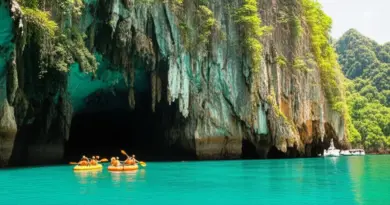
While not strictly a trek, exploring Tham Lod Cave involves a unique adventure combining walking through vast caverns with bamboo rafting on an underground river. This natural wonder is a must-see for its impressive stalactites, stalagmites, and ancient coffin caves. [22]
Ethical and Sustainable Trekking Practices
As visitors to this beautiful region, it’s our collective responsibility to ensure that our adventures leave a positive impact.
Supporting Local Communities and Cultures
Choose tour operators that directly benefit local communities, such as those employing local guides, staying in community-run homestays, and purchasing supplies from local markets. Respect local customs and traditions by dressing modestly, asking permission before taking photos, and learning a few basic phrases. Your responsible choices can help sustain these communities and their unique ways of life. [14]
Minimizing Your Environmental Impact
Practice ‘Leave No Trace’ principles: pack out everything you pack in, stay on marked trails to prevent erosion, and avoid disturbing wildlife or collecting natural souvenirs. Be mindful of water usage and dispose of waste properly. By treading lightly, we help preserve Northern Thailand’s pristine natural beauty for future generations. [14]
Finding Your Perfect Trekking Level
Northern Thailand truly offers something for everyone, regardless of experience or fitness level.
Gentle Walks for Beginners
If you’re new to trekking or prefer a relaxed pace, consider shorter day hikes like the Monk’s Trail or gentle walks around the lower areas of Doi Inthanon. Many operators offer easy, family-friendly treks that combine light walking with cultural visits and scenic stops, often including bamboo rafting. [9, 19]
Moderate Challenges for Intermediate Hikers
For those seeking a bit more challenge, multi-day treks in the Mae Taeng Valley or to Mae Yen Waterfall offer a good balance of physical exertion and rewarding experiences. These typically involve several hours of walking each day over varied terrain and often include overnight stays in local villages. [6, 18, 22]
Advanced Expeditions for Experienced Trekkers
Experienced hikers can tackle more strenuous routes, such as the upper trails of Doi Inthanon or the challenging ascents of Doi Chiang Dao (with proper permits and guides). These treks demand good physical fitness, navigation skills (if self-guided and permitted), and a willingness to embrace rugged conditions. [6, 26]
Video Insight: Jungle Trekking in Northern Thailand
To give you a visual taste of what awaits, here’s a glimpse into a typical jungle trekking experience in the Chiang Mai region, featuring hill tribe visits and bamboo rafting.
คำถามที่พบบ่อย (FAQ)
What is the best time of year for trekking in Northern Thailand?
The cool season, from November to February, is generally considered the best time for trekking due to pleasant temperatures and low humidity. The rainy season (June-October) offers lush scenery but can have challenging, slippery trails. The hot season (March-May) is usually avoided due to extreme heat and haze. [6, 8, 15]
Do I need a guide for trekking in Northern Thailand?
For many popular trails, especially multi-day treks or those in national parks like Doi Inthanon and Doi Chiang Dao, a local guide is highly recommended or even mandatory. Guides provide safety, navigation, cultural insights, and support local economies. Independent hiking can be risky due to unmarked trails and remote areas. [26]
What should I pack for a multi-day trek?
Essential items include sturdy hiking shoes, lightweight and quick-drying clothing (long pants and sleeves for protection), a small backpack, hat, sunglasses, mosquito repellent, sunscreen, headlamp, personal first-aid kit, toiletries, and adequate water. A light jacket or poncho is advisable depending on the season. [7, 10, 11, 13]
How can I ensure my trek is ethical and responsible?
To ensure an ethical trek, choose tour operators that prioritize community benefit and environmental sustainability. Respect local customs, dress modestly, ask permission before taking photos, and practice ‘Leave No Trace’ principles by packing out all waste and staying on designated trails. Avoid activities that exploit animals. [14]
Is it possible to trek in Northern Thailand with children?
Yes, many tour operators offer family-friendly treks with shorter distances and less challenging terrain. These often include cultural activities and lighter outdoor experiences like bamboo rafting. It’s best to discuss your family’s fitness levels and preferences with the tour operator to find a suitable itinerary. [9]
Whether you seek challenging mountain ascents or gentle walks through verdant valleys, trekking in Northern Thailand promises an adventure filled with stunning vistas and profound cultural encounters. By planning thoughtfully and embracing responsible tourism, you can ensure your journey through the landscapes of Chiang Mai and Pai is not only memorable but also contributes positively to this incredible region. Lace up your boots, prepare your spirit of adventure, and get ready to explore the heart of the Golden Triangle!
- Why Trek Northern Thailand? Understanding the Region, Climate, and Best Seasons for Chiang Mai and Pai Hikes (best time to trek Chiang Mai, Pai trekking seasons)
- Top Trails and Day-by-Day Itineraries: From Easy Walks to Multi-Day Treks around Doi Inthanon, Doi Suthep, and Pai’s Mae Yen Valley (best trails Chiang Mai, Pai trekking routes)
- Safety, Permits, and Local Guides: What to Prepare, Hiring Hill-tribe Guides, and Responsible Trekking Practices (permits for trekking Thailand, ethical trekking Pai)