Top Trails and Day-by-Day Itineraries: From Easy Walks to Multi-Day Treks around Doi Inthanon, Doi Suthep, and Pai’s Mae Yen Valley (best trails Chiang Mai, Pai trekking routes)
- Top Trails and Day-by-Day Itineraries: From Easy Walks to Multi-Day Treks around Doi Inthanon, Doi Suthep, and Pai’s Mae Yen Valley (best trails Chiang Mai, Pai trekking routes)
- Discovering Northern Thailand’s Trekking Gems
- Doi Inthanon National Park: Thailand’s Highest Peak
- Doi Suthep-Pui National Park: Nature Near Chiang Mai
- Pai’s Mae Yen Valley: A Journey to the White Buddha
- Planning Your Trekking Adventure
- คำถามที่พบบ่อย (FAQ)
- Q1: Are the trekking trails in Northern Thailand suitable for beginners?
- Q2: Do I need a guide for trekking in Chiang Mai or Pai?
- Q3: What is the best time of year to go trekking in Northern Thailand?
- Q4: What should I pack for a trekking trip in Northern Thailand?
- Q5: Are there any cultural considerations I should be aware of while trekking?
- References
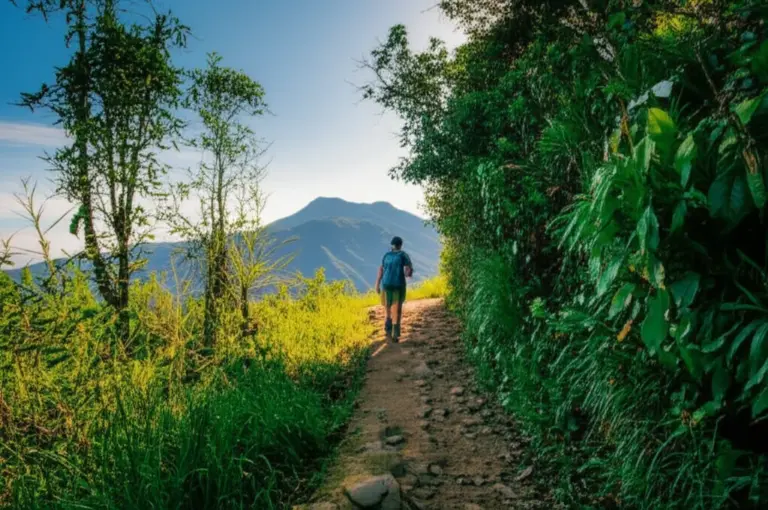
Northern Thailand, a region of mist-shrouded mountains, lush jungles, and serene valleys, beckons adventurers with its unparalleled natural beauty. For those seeking to immerse themselves in breathtaking landscapes and vibrant local cultures, trekking here offers an experience unlike any other. From the towering peaks of Doi Inthanon to the tranquil serenity of Doi Suthep and the adventurous allure of Pai’s Mae Yen Valley, this guide unveils the best trails Chiang Mai and Pai trekking routes, catering to every level of hiker. Whether you dream of a gentle stroll amidst terraced rice fields or a challenging multi-day expedition into the wilderness, Northern Thailand promises an unforgettable journey.
Discovering Northern Thailand’s Trekking Gems
The region’s diverse topography and rich biodiversity make it a prime destination for trekkers worldwide. Each location – Doi Inthanon, Doi Suthep, and Pai – offers a distinct flavor of adventure, combining natural wonders with cultural insights. Prepare to be enchanted by cascading waterfalls, ancient temples, and the warm hospitality of hill tribe communities.
Why Trek in Northern Thailand?
- Diverse Landscapes: Explore everything from cloud forests and alpine meadows to dense jungles and rice paddies.
- Rich Culture: Encounter various ethnic hill tribes, each with unique traditions and ways of life.
- Accessibility: Many trails are easily accessible from Chiang Mai and Pai, making logistics straightforward.
- All Skill Levels: Options range from leisurely walks suitable for families to strenuous multi-day treks for seasoned adventurers.
Doi Inthanon National Park: Thailand’s Highest Peak
Home to Thailand’s highest mountain, Doi Inthanon National Park is a sanctuary of cool temperatures, stunning waterfalls, and unique ecosystems. It’s a must-visit for anyone looking for the best trails Chiang Mai has to offer, particularly those seeking cooler climates and diverse flora.
Easy Walks: Kew Mae Pan Nature Trail
The Kew Mae Pan Nature Trail is a relatively easy 2.6 km loop, offering an unparalleled experience of a cloud forest and panoramic views. This trail requires a local Hmong guide (available at the trailhead for a small fee), ensuring both safety and cultural insight. Expect to see rare mosses, rhododendrons, and potentially even some unique bird species. It’s an ideal choice for families and those new to trekking.
Moderate Treks: Pha Dok Siew Waterfall Trail
This 2-3 hour trek descends through rice paddies and coffee plantations, leading to the beautiful Pha Dok Siew Waterfall. The trail offers a glimpse into the local Karen hill tribe village life, where you can sample fresh coffee. It’s a fantastic option for those seeking a mix of natural beauty and cultural interaction without extreme physical demands.
Multi-Day Adventures: Exploring Remote Villages
For the more intrepid, multi-day treks can be arranged through local tour operators, venturing deeper into the national park’s surrounding areas. These expeditions often include overnight stays in hill tribe villages, offering an authentic cultural exchange and a chance to witness traditional lifestyles. You might trek to remote waterfalls, learn about indigenous plants, and enjoy home-cooked meals.
Doi Suthep-Pui National Park: Nature Near Chiang Mai
Just a stone’s throw from Chiang Mai city, Doi Suthep-Pui National Park offers easily accessible trails that combine natural beauty with spiritual landmarks. It’s an excellent choice for a day trip, providing some of the most convenient best trails Chiang Mai has to offer.
Short Hikes: Mon Tha Than Waterfall Trail
This easy, well-maintained trail leads to the multi-tiered Mon Tha Than Waterfall, a perfect spot for a refreshing break. The path is often shaded by lush jungle canopy, making it pleasant even on warmer days. It’s a great option for a quick escape into nature without venturing too far from the city.
Cultural Treks: Wat Phra That Doi Suthep to Bhubing Palace
For a blend of culture and nature, consider trekking from the revered Wat Phra That Doi Suthep to the royal Bhubing Palace. While much of this can be done on paved roads or by songthaew, several smaller trails connect points of interest, offering a more immersive experience. The views from Wat Phra That Doi Suthep, overlooking Chiang Mai, are legendary.
Pai’s Mae Yen Valley: A Journey to the White Buddha
Pai, a bohemian town nestled in a valley, is famous for its relaxed vibe and stunning natural surroundings. The Mae Yen Valley offers one of the most iconic Pai trekking routes, culminating in the impressive White Buddha.
The Mae Yen Waterfall Trek: A Day-Long Expedition
The trek to Mae Yen Waterfall is a challenging yet rewarding full-day hike. It involves multiple river crossings and navigating through dense jungle, leading to a beautiful, secluded waterfall. This route is less trodden and offers a true immersion into Pai’s wild beauty. It’s highly recommended to go with a guide or at least inform someone of your plans, especially during the rainy season when river levels can rise. This is an excellent example of the more adventurous Pai trekking routes.
The video above provides a fantastic glimpse into the adventure of hiking to Mae Yen Waterfall in Pai, showcasing the stunning jungle and river crossings that make this trek so unique. [2]
Beyond Mae Yen: Exploring Pai’s Countryside
Beyond the famous waterfall, Pai’s countryside offers numerous opportunities for exploration. Rent a scooter and discover hidden viewpoints, hot springs, and local villages at your own pace. While not traditional ‘treks,’ these explorations can involve short hikes to reach scenic spots like Pai Canyon or the White Buddha (Wat Phra That Mae Yen), which offers stunning sunset views over the valley after climbing its many steps.
Planning Your Trekking Adventure
Careful planning is key to a safe and enjoyable trekking experience in Northern Thailand. Here are some essential tips:
Essential Packing List
- Comfortable hiking shoes or sandals with good grip
- Lightweight, breathable clothing (quick-drying is a plus)
- Insect repellent
- Sunscreen and a hat
- Reusable water bottle (and purification tablets if venturing far)
- Basic first-aid kit
- Camera to capture the stunning scenery
- Cash for guides, local purchases, and park fees
Best Time to Visit
The cool, dry season from November to February is generally considered the best time for trekking, with pleasant temperatures and clear skies. The hot season (March-May) can be uncomfortable, and the rainy season (June-October) brings lush landscapes but also slippery trails and potential for leeches. Always check local weather conditions before heading out.
Guided vs. Self-Guided Treks
While some well-marked trails can be explored independently, hiring a local guide is highly recommended, especially for longer or more remote treks. Guides provide invaluable knowledge about the flora, fauna, and local culture, and ensure your safety. They also support local communities. For instance, the Kew Mae Pan trail explicitly requires a guide.
Northern Thailand’s trekking opportunities offer a profound connection with nature and culture. From the majestic Doi Inthanon to the spiritual Doi Suthep and the adventurous Mae Yen Valley, the best trails Chiang Mai and Pai trekking routes promise an enriching experience for every traveler. Prepare your gear, embrace the adventure, and discover the hidden gems of this enchanting region.
Map of Northern Thailand Trekking Areas
Explore the general vicinity of these incredible trekking destinations:
คำถามที่พบบ่อย (FAQ)
Q1: Are the trekking trails in Northern Thailand suitable for beginners?
A1: Yes, Northern Thailand offers a wide range of trails suitable for all fitness levels. Easy walks like the Kew Mae Pan Nature Trail in Doi Inthanon or short hikes around Doi Suthep are perfect for beginners and families. More challenging options, such as the Mae Yen Waterfall trek, are available for experienced hikers.
Q2: Do I need a guide for trekking in Chiang Mai or Pai?
A2: While some popular trails can be done independently, it is highly recommended to hire a local guide for longer or more remote treks, such as multi-day expeditions or the Mae Yen Waterfall trek. Guides enhance safety, provide cultural insights, and support local communities. Some trails, like Kew Mae Pan, even require a local guide.
Q3: What is the best time of year to go trekking in Northern Thailand?
A3: The ideal time for trekking is during the cool, dry season, which typically runs from November to February. During these months, temperatures are pleasant, and the trails are generally dry and less slippery. The rainy season (June-October) brings lush scenery but also increased humidity, leeches, and potentially challenging trail conditions.
Q4: What should I pack for a trekking trip in Northern Thailand?
A4: Essential items include comfortable hiking shoes or sandals with good grip, lightweight and quick-drying clothing, insect repellent, sunscreen, a hat, a reusable water bottle, a basic first-aid kit, and a camera. Don’t forget cash for park fees, guides, and local purchases.
Q5: Are there any cultural considerations I should be aware of while trekking?
A5: When visiting temples or hill tribe villages, dress modestly (shoulders and knees covered). Always ask for permission before taking photos of people. Be respectful of local customs and traditions, and try to learn a few basic Thai phrases. Support local economies by purchasing goods or services from the communities you visit.
References
- Trekking in Northern Thailand: The Best Trails around Chiang Mai and Pai — Ultimate Guide for Hikers of All Levels
- Why Trek Northern Thailand? Understanding the Region, Climate, and Best Seasons for Chiang Mai and Pai Hikes (best time to trek Chiang Mai, Pai trekking seasons)
- Safety, Permits, and Local Guides: What to Prepare, Hiring Hill-tribe Guides, and Responsible Trekking Practices (permits for trekking Thailand, ethical trekking Pai)