Responsible Wildlife and Nature Activities: Ethical Tours and Marine Conservation Tips (no animal shows, coral-safe snorkeling)
- Responsible Wildlife and Nature Activities: Ethical Tours and Marine Conservation Tips (no animal shows, coral-safe snorkeling)
Thailand, with its vibrant culture, stunning landscapes, and incredible biodiversity, draws millions of visitors each year. For those passionate about nature and wildlife, the allure is undeniable. However, the impact of tourism can be a double-edged sword. This guide focuses on how you can engage in Responsible Wildlife and Nature Activities: Ethical Tours and Marine Conservation Tips (no animal shows, coral-safe snorkeling) to ensure your adventures contribute positively to the preservation of this beautiful country. Making conscious choices allows you to experience Thailand’s wonders without compromising its future.
Why Responsible Tourism Matters in Thailand
Thailand’s natural heritage is globally significant, home to diverse ecosystems from lush rainforests to vibrant coral reefs. Unregulated tourism, however, can lead to habitat destruction, pollution, and exploitation of both animals and local communities. By choosing responsible tourism, you become part of the solution, helping to safeguard these irreplaceable assets for generations to come. It’s about creating a harmonious relationship between visitors and the environment.
Protecting Thailand’s Unique Biodiversity
Thailand boasts an incredible array of wildlife, including elephants, tigers, gibbons, and countless marine species. Many of these are endangered or vulnerable. Responsible tourism helps fund conservation efforts, supports anti-poaching initiatives, and promotes the ethical treatment of animals. It ensures that wildlife can thrive in their natural habitats, free from human interference or exploitation.
Supporting Local Communities
Ethical tours often prioritize working with local guides, businesses, and communities. This approach ensures that the economic benefits of tourism are distributed fairly, empowering local people and providing incentives for them to protect their natural environment. It fosters a sense of ownership and pride in conservation efforts, leading to more sustainable practices overall.
Ensuring Sustainable Futures
By choosing responsible options, you contribute to a model of tourism that considers its long-term environmental, social, and economic impacts. This helps maintain the integrity of Thailand’s natural attractions, ensuring that future generations can also marvel at its beauty and diversity. It’s about leaving a positive legacy, not just footprints.
Ethical Wildlife Encounters: Beyond the Spectacle
The desire to see Thailand’s iconic animals up close is understandable, but it’s crucial to distinguish between genuine, ethical encounters and those that exploit animals for entertainment. Remember: if an activity involves an animal performing tricks, being ridden, or forced into unnatural interactions, it is likely unethical. Your choices directly influence the demand for such practices.
Avoiding Harmful Animal Shows and Rides
Elephant riding, tiger temples, and dolphin shows are examples of activities that often involve animal cruelty and unnatural behaviors. Elephants undergo brutal training (the ‘phajaan’ or ‘crushing’ ritual) to break their spirit, and tigers are often drugged or declawed. Opting out of these activities sends a clear message that such exploitation is unacceptable.
Supporting Genuine Sanctuaries and Rescue Centers
Instead, seek out reputable sanctuaries and rescue centers that prioritize animal welfare. For elephants, this means facilities where they roam freely, socialize naturally, and are not subjected to riding, bathing with tourists, or performances. Look for places focused on rehabilitation, education, and providing a safe, natural environment for rescued animals. These centers often rely on visitor fees and donations to continue their vital work.
Observing Wildlife in Their Natural Habitat
The most ethical way to experience wildlife is to observe them undisturbed in their natural environments. National parks and protected areas offer incredible opportunities for birdwatching, jungle trekking, and spotting animals from a respectful distance. Always follow the guidelines of park rangers and local guides to minimize your impact and ensure your safety and the animals’ well-being.
Dive into Responsibility: Marine Conservation and Coral-Safe Practices
Thailand’s Andaman Sea and Gulf of Thailand are renowned for their spectacular coral reefs, teeming with diverse marine life. Protecting these fragile ecosystems is paramount, especially when engaging in activities like snorkeling and diving. This section provides essential Marine Conservation Tips and guidance for Coral-Safe Snorkeling.
Understanding Thailand’s Fragile Coral Ecosystems
Coral reefs are living organisms, incredibly sensitive to touch, pollution, and changes in water quality. They grow very slowly, and a single careless kick or touch can destroy years of growth. These reefs provide critical habitats for countless marine species, protect coastlines, and are a vital part of the ocean’s health. Recognizing their fragility is the first step towards protecting them.
Choosing Eco-Certified Marine Tour Operators
When booking snorkeling or diving trips, look for operators with eco-certifications or those explicitly stating their commitment to marine conservation. These operators often employ trained guides who educate visitors on proper etiquette, use mooring buoys instead of anchoring, and actively participate in reef restoration projects. Ask about their policies regarding waste management and marine life interaction.
Essential Coral-Safe Snorkeling and Diving Etiquette
Your behavior in the water has a direct impact. Here are crucial tips:
- No Touching: Never touch, stand on, or kick corals. Even a light touch can damage their delicate polyps.
- Maintain Buoyancy: For divers, perfect buoyancy control is key. For snorkelers, wear a life jacket to keep you afloat and prevent accidental contact with the reef.
- No Feeding: Do not feed fish or other marine life. This disrupts their natural diet and behavior patterns.
- Leave No Trace: Take all your trash with you, and never leave anything behind in the ocean.
- Observe from a Distance: Admire marine life from a respectful distance. Do not chase or harass animals.
The Importance of Reef-Safe Sunscreen
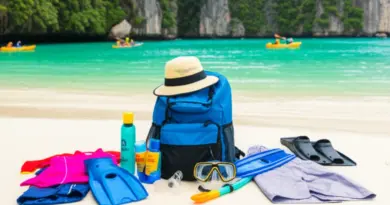
Many common sunscreens contain chemicals like oxybenzone and octinoxate that are highly toxic to coral reefs, contributing to coral bleaching. Always choose ‘reef-safe’ sunscreens that use non-nano zinc oxide or titanium dioxide as active ingredients. Better yet, cover up with rash guards and hats to minimize the need for sunscreen.
Important Update for Snorkelers in Thailand!
Thailand’s Ministry of Natural Resources and Environment has introduced new regulations to protect coral reefs. These changes emphasize wearing life jackets to float above reefs, snorkeling only in waters at least 2 meters deep above coral, and strict rules against touching or feeding marine life. Choosing operators who adhere to these new laws is crucial for responsible marine tourism. [3]
General Tips for a Sustainable Thai Adventure
Beyond wildlife and marine activities, there are broader ways to practice responsible tourism throughout your trip to Thailand. These actions contribute to a more positive and sustainable impact on the country and its people.
Respecting Local Culture and Traditions
Thailand is rich in cultural heritage. Dress modestly when visiting temples, remove your shoes before entering homes or sacred places, and learn a few basic Thai phrases. Always ask for permission before taking photos of people, and be mindful of local customs and beliefs. Respect for the local way of life enhances your experience and builds positive connections. (Using a placeholder for a Thai symbol if FA supports it, otherwise a generic one)
Minimizing Waste and Plastic Consumption
Plastic pollution is a significant issue globally, and Thailand is no exception. Carry a reusable water bottle and refill it, decline single-use plastics whenever possible, and dispose of waste properly. Support businesses that use sustainable packaging or offer recycling options. Every small effort helps reduce your environmental footprint.
Supporting Local Businesses and Artisans
When purchasing souvenirs or dining out, choose local markets, small shops, and independent restaurants over large chains. This directly supports the Thai economy and helps preserve traditional crafts and culinary heritage. Bargain respectfully and fairly, understanding the value of local goods.
Planning Your Ethical Journey
Responsible travel begins with thoughtful planning. Doing your research beforehand can make all the difference in ensuring your trip is both enjoyable and ethical.
Researching Reputable Tour Operators
Before booking any tour, especially those involving wildlife or marine activities, thoroughly research the operator. Look for reviews on independent platforms, check their website for explicit ethical policies, and see if they are affiliated with recognized conservation organizations. Transparency is key.
Key Questions to Ask Before Booking
Don’t hesitate to ask tour operators direct questions about their practices:
- How do you ensure animal welfare on your tours?
- What are your policies on marine life interaction and coral protection?
- How do your tours benefit local communities?
- What measures do you take to minimize environmental impact (e.g., waste, fuel)?
By asking these questions, you not only gain valuable information but also signal to operators that responsible tourism is important to you, encouraging broader industry change.
คำถามที่พบบ่อย (FAQ)
In conclusion, your journey through Thailand can be an incredible experience that leaves a positive impact on its natural beauty and vibrant culture. By embracing Responsible Wildlife and Nature Activities: Ethical Tours and Marine Conservation Tips (no animal shows, coral-safe snorkeling), you become a custodian of this paradise. Every thoughtful choice, from selecting an ethical elephant sanctuary to practicing coral-safe snorkeling, contributes to a more sustainable and respectful form of tourism. Travel consciously, explore mindfully, and help preserve the magic of Thailand for all to enjoy.
References
- Sustainable Travel in Thailand: Essential Tips to Minimize Your Environmental and Cultural Impact
- How to Choose Eco-Friendly Accommodations in Thailand (sustainable hotels, eco-lodges, community stays)
- Low-Impact Transportation Options for Exploring Thailand Responsibly (public transit, trains, biking, carbon offsetting)