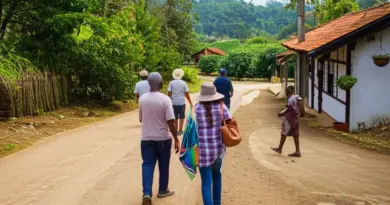
Volunteering Opportunities in Thailand: How to Give Back During Your Travels
- Volunteering Opportunities in Thailand: How to Give Back During Your Travels
The Kingdom of Thailand thrives on tourism, yet it faces ongoing challenges in conservation, education, and community development. Responsible travel integrates giving back, moving beyond simple sightseeing to meaningful cultural exchange and support for local initiatives. This guide helps you navigate the landscape of volunteer programs to make an informed choice that aligns with ethical tourism principles.
The Ethics of Giving Back: Responsible Volunteering in Thailand
Before committing to any program, understanding the ethics of voluntourism is critical. The goal should always be to supplement local efforts, not replace them. Programs that rely heavily on unskilled, short-term foreign labor for tasks that could be done by locals often cause more harm than good.
Identifying Ethical Programs
- Transparency: Reputable organizations clearly state how program fees are utilized (e.g., covering local staff salaries, food, housing, project materials).
- Local Leadership: The most sustainable projects are led by local Thai staff, ensuring cultural relevance and long-term commitment.
- Avoid Orphanages: Due to documented issues of child trafficking and institutionalization, ethical travel experts strongly advise against volunteering in orphanages or children’s homes.
- Sustainability: Look for programs with clearly defined, measurable goals that persist long after the volunteers leave.
Top Sectors for Volunteering Opportunities in Thailand
The primary areas where travelers can find meaningful Volunteering Opportunities in Thailand are conservation and education.
Wildlife Conservation (Elephants and Marine Life)
Elephant sanctuaries are perhaps the most popular volunteer choice, particularly in Northern Thailand (Chiang Mai and Chiang Rai). It is vital to choose genuine rescue and rehabilitation centers that strictly prohibit riding, bathing with, or performing tricks with the animals. Focus on organizations dedicated to ethical care and habitat restoration. For marine enthusiasts, coastal regions like the Gulf of Thailand and the Andaman Sea offer projects focused on coral reef restoration, sea turtle protection, and beach cleanups.
If a program allows direct, unrestricted contact with wild or semi-wild animals (especially elephants), it is likely prioritizing tourist dollars over animal welfare. Look for ‘hands-off’ policies.
Education and Community Development
Teaching English is a perennial need across Thailand, especially in rural and remote areas where access to high-quality language instruction is limited. Volunteers often support local teachers in schools or community centers. Skills-based volunteering (e.g., IT, marketing, construction) is also highly valuable, particularly when working with non-profits focused on sustainable community growth, such as those assisting hill tribes in Northern Thailand.
Health and Medical Support
For licensed medical professionals, there are opportunities to assist in rural clinics or public health awareness campaigns. However, it is crucial that volunteers operate within their certified scope of practice and adhere strictly to Thai medical regulations. Unlicensed individuals should focus on administrative support or health education rather than direct patient care.
Practical Planning: Duration, Costs, and Visa Requirements
Volunteering requires careful preparation, especially regarding legal permissions and financial investment.
Short-Term vs. Long-Term Commitment
| Commitment | Typical Duration | Impact Profile |
|---|---|---|
| Short-Term | 1 to 4 Weeks | Best for supporting specific seasonal campaigns (e.g., tree planting, cleanup drives) or providing supplementary labor. Limited deep impact. |
| Long-Term | 3 Months to 1 Year | Essential for skills-based roles (e.g., teaching, project management). Allows time for cultural integration and significant, sustained contribution. |
Visa Considerations for Volunteers
Performing any form of unpaid labor, even volunteering, requires the appropriate visa from the Thai government. A standard tourist visa (TR) expressly prohibits working. For formal, organized volunteering, you will typically need a Non-Immigrant ‘O’ (Other Purposes) or Non-Immigrant ‘B’ (Business/Work) visa, sponsored by the organization you work for. Always verify the legal requirements with the Thai Embassy or Consulate before departure.
Integrating Volunteering with Your Thailand Travel Itinerary
Volunteering doesn’t have to consume your entire trip. Many travelers choose to dedicate one or two weeks to a project and then spend the remaining time exploring Thailand’s islands, historical sites, and vibrant cities. Using your volunteer time as a deep cultural immersion experience can vastly enrich your overall understanding of Thai society.
When selecting a location, consider the logistics. For example, if you plan to volunteer near Phuket, you are well-positioned for marine conservation and island hopping. If you are in the North, you are closer to cultural heritage sites and wildlife projects near the borders. Always factor in travel time and transportation costs between your volunteer site and tourist destinations.
คำถามที่พบบ่อย (FAQ)
References
Tourism Authority of Thailand Official Website
Guidelines for Ethical Voluntourism
Royal Thai Ministry of Foreign Affairs (Visa Information)
- Why Volunteer in Thailand? Understanding Impact, Cultural Exchange, and Responsible Travel Opportunities
- How to Choose the Right Volunteer Program: Evaluating Legitimacy, Costs, and Ethical Considerations for Long-term Benefit
- Practical Steps for Volunteering in Thailand: Visas, Vaccinations, Language, and Packing Tips for Short- and Long-term Volunteers