Why Volunteer in Thailand? Understanding Impact, Cultural Exchange, and Responsible Travel Opportunities
- Why Volunteer in Thailand? Understanding Impact, Cultural Exchange, and Responsible Travel Opportunities
Thailand, often called the ‘Land of Smiles,’ is globally renowned for its pristine beaches, ornate temples, and world-class hospitality. However, beneath the surface of the thriving tourism industry lie numerous opportunities for meaningful engagement. Choosing to **Volunteer in Thailand** is not merely a vacation upgrade; it’s a commitment to responsible travel that fosters genuine connection, deep cultural understanding, and measurable positive impact on local communities and ecosystems.
The Core Appeal: Why Choose Thailand for Volunteering?
Unlike many developing nations where infrastructure or safety might pose significant barriers, Thailand strikes an ideal balance. It is safe, highly accessible, and possesses a mature tourism infrastructure, yet it still faces substantial challenges in areas like environmental conservation, ethical wildlife protection, and educational equity, particularly in rural provinces and border regions.
A Blend of Accessibility and Need
- **Ease of Travel:** Excellent transportation networks and readily available accommodation simplify logistics for international volunteers.
- **Warm Welcome:** Thai culture places a high value on respect and hospitality (the concept of ‘Kreng Jai’), ensuring volunteers feel integrated and appreciated.
- **Diverse Needs:** From marine conservation in the Andaman Sea to supporting hill tribe education in the north, the variety of projects matches a wide range of skills and interests.
Maximizing Impact: Understanding Ethical Volunteering
The rise of ‘voluntourism’ has made it crucial for prospective volunteers to critically evaluate the programs they choose. Ethical volunteering ensures that the project’s primary focus is the community or environment, not the volunteer’s experience. This scrutiny is paramount when choosing a project to **Volunteer in Thailand**.
Distinguishing Sustainable Projects from Voluntourism Traps
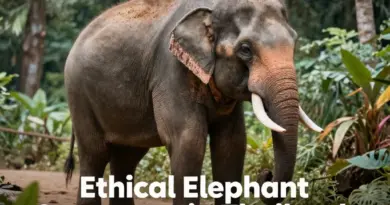
Responsible programs prioritize long-term goals, utilize local staff, and avoid projects that displace local workers (e.g., teaching English when local teachers are available). Look for transparency regarding where your fees go and clear evidence that the project addresses a genuine, locally identified need. For instance, in wildlife conservation, ethical sanctuaries strictly prohibit direct, unregulated interaction with animals, particularly elephants, focusing instead on observation and habitat maintenance.
Witnessing the dedication required for truly responsible conservation is essential. Here is an example of an ethical volunteering experience focusing on animal welfare:
Deep Cultural Exchange Beyond the Tourist Trail
Standard tourism often provides only a superficial view of Thai life. Volunteering, however, forces you to step out of the tourist bubble and engage with the daily realities, customs, and language of the local population. This deep immersion is perhaps the most enriching aspect of choosing to **Volunteer in Thailand**.
Living Local: Immersion and Learning
When you volunteer, you often live in or near the community you serve. This means learning basic Thai phrases, navigating local markets, participating in traditional ceremonies, and understanding the significance of Buddhism in daily life. This level of respect and integration transforms you from a visitor into a temporary community member, offering perspectives that no five-star resort could ever provide.
“The greatest benefit of volunteering is not the work you do, but the change in perspective you gain by viewing the world through a different cultural lens.”
Practical Opportunities: Where Can You Help?
Thailand’s diverse geography and socio-economic structure create numerous volunteering avenues. Potential volunteers should match their professional skills (e.g., healthcare, engineering, marketing) with community requirements, rather than simply seeking general unskilled labor.
Conservation and Wildlife Projects
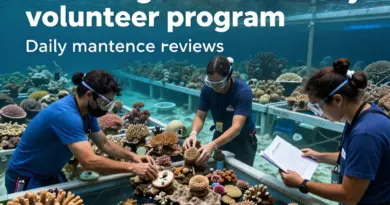
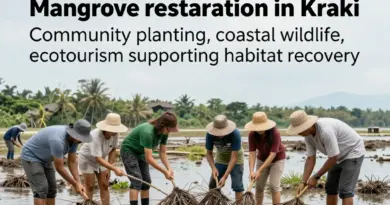
The most famous opportunities involve ethical elephant sanctuaries, primarily located near Chiang Mai and Chiang Rai. Volunteers assist with food preparation, habitat enrichment, and facility maintenance, contributing directly to the welfare of rescued animals. Other significant areas include marine conservation along the coastlines, focusing on coral reef restoration and plastic clean-up initiatives.
Education and Community Development
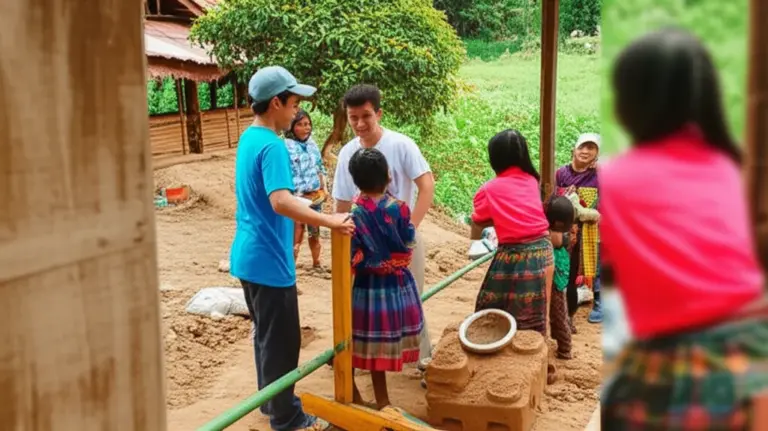
Many organizations focus on supporting marginalized groups, such as children in rural schools or members of Thailand’s various hill tribes who lack access to adequate resources. Volunteers often teach English, computer skills, or help develop sustainable income projects. This area offers a profound opportunity to witness and contribute to long-term community resilience.
Responsible Travel: Integrating Service and Adventure
A key component of responsible travel is ensuring your presence leaves a positive footprint. Volunteering inherently supports this goal by directing funds and resources toward local, impactful organizations rather than solely commercial entities. By dedicating a portion of your trip to service, you not only enrich your own life but actively participate in the destination’s sustainable development.
The Volunteer Mindset
Responsible volunteers understand that they are guests and learners first. They embrace cultural differences, respect local customs (especially attire and behavior near temples), and commit fully to the project’s duration, ensuring stability and consistency for the beneficiaries.
คำถามที่พบบ่อย (FAQ)
References
- Guidelines for Ethical Volunteer Travel (International Ecotourism Society)
- Thai Ministry of Foreign Affairs Visa Requirements
- Volunteering Opportunities in Thailand: How to Give Back During Your Travels
- How to Choose the Right Volunteer Program: Evaluating Legitimacy, Costs, and Ethical Considerations for Long-term Benefit
- Practical Steps for Volunteering in Thailand: Visas, Vaccinations, Language, and Packing Tips for Short- and Long-term Volunteers