Practical Steps for Volunteering in Thailand: Visas, Vaccinations, Language, and Packing Tips for Short- and Long-term Volunteers
- Practical Steps for Volunteering in Thailand: Visas, Vaccinations, Language, and Packing Tips for Short- and Long-term Volunteers
Thailand, the Land of Smiles, offers incredible opportunities for meaningful volunteer work, ranging from wildlife conservation in the north to teaching English in rural schools. However, turning this dream into a reality requires meticulous planning, especially regarding legal and health requirements. This guide covers the essential
Practical Steps for Volunteering in Thailand: Visas, Vaccinations, Language, and Packing Tips for Short- and Long-term Volunteers, ensuring your journey is safe, compliant, and impactful.
The Crucial First Step: Choosing Ethical Volunteer Programs
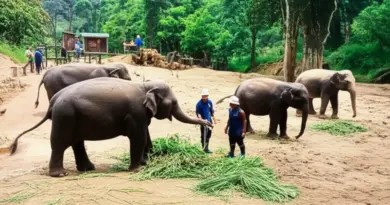
Before booking flights, the most critical step is selecting a reputable program. In Thailand, particularly concerning orphanages or wildlife sanctuaries, ethical concerns are prevalent. Avoid ‘voluntourism’ that exploits vulnerable populations or animals. Look for organizations that are locally run, prioritize skill-matching, and require a minimum commitment period to ensure continuity.
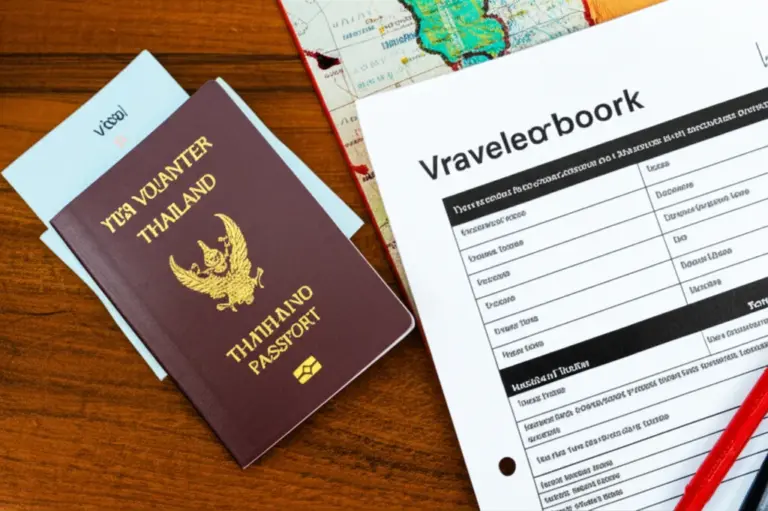
Visa compliance is non-negotiable. Volunteering, even unpaid, is technically considered ‘work’ under Thai law, meaning a tourist visa is usually insufficient, especially for longer stays. Understanding the distinction between short-term (often covered by visa exemptions or tourist visas with extensions) and long-term stays is vital.
Short-Term Volunteering (Under 30/60 Days)
- Many nationalities receive a 30-day visa exemption upon arrival.
- A 60-day Tourist Visa (TR) must be acquired before arrival and can sometimes be extended for an additional 30 days within Thailand.
- Warning: If the volunteering activity is highly structured or visible, even a short stay might require formal documentation. Consult your host organization.
Long-Term Volunteering (3+ Months)
For any commitment exceeding 90 days, or if the organization is registered and sponsoring your stay, you will likely need a Non-Immigrant visa, typically the Non-Immigrant ‘O’ (Other) or ‘B’ (Business/Work). Crucially, the organization must secure a valid work permit from the Department of Employment for you. Without a work permit, even with the correct visa, you are working illegally.
| Duration | Recommended Visa Type | Work Permit Required? |
|---|---|---|
| Up to 30 Days | Visa Exemption or TR Visa | Generally No (but gray area) |
| 60 to 90 Days | Tourist Visa (TR) + Extension | Consult Organization |
| 90+ Days | Non-Immigrant ‘O’ or ‘B’ | Yes, Mandatory |
Health and Safety: Vaccinations and Insurance
Health preparedness is a key element of the Practical Steps for Volunteering in Thailand: Visas, Vaccinations, Language, and Packing Tips for Short- and Long-term Volunteers. Depending on your project location (urban vs. rural) and duration, your health risks will vary.
Recommended Vaccinations
Consult your doctor 4–6 weeks before departure. Standard vaccinations should be up-to-date (MMR, Diphtheria-Tetanus-Pertussis, Varicella). Recommended specific vaccines for Thailand often include:
- Hepatitis A and B (Crucial for food/waterborne exposure).
- Typhoid (Especially if staying in rural areas or eating street food).
- Japanese Encephalitis (If spending significant time outdoors in rural areas).
- Rabies (Highly recommended for animal conservation volunteers).
Essential Travel Insurance
Medical care in Thailand’s major cities is excellent but expensive for foreigners. Comprehensive travel insurance must cover emergency medical treatment, evacuation (especially important if volunteering in remote areas), and trip interruption. Do not rely on basic travel credit card insurance.
Language and Cultural Sensitivity
Respecting local customs is paramount for a successful integration. While English is spoken in tourist hubs, proficiency drops significantly in rural volunteer locations. Making an effort to speak Thai is a sign of respect and greatly enhances your experience.
Basic Thai Phrases for Volunteers
- Hello/Goodbye: Sawadee krap (male) / Sawadee ka (female)
- Thank you: Khop khun krap/ka
- I cannot speak Thai: Poot Thai mai dai
- How much?: Gee baht?
Cultural Dos and Don’ts
- Do dress modestly, especially when visiting temples or working in schools (cover shoulders and knees).
- Don’t touch anyone on the head, as it is considered the most sacred part of the body.
- Do use the Wai (traditional Thai greeting) appropriately.
- Don’t point your feet at people, objects, or religious images.
Packing Smart: Essentials for Tropical Volunteering
Thailand’s climate is hot and humid year-round, with a rainy season (May to October). Packing light, breathable fabrics is key. Remember that your packing needs will differ significantly based on whether you are undertaking short-term or long-term volunteering.
Packing List for Short Stays (Focus on Versatility)
- Quick-dry clothing (synthetics or light cotton).
- Comfortable walking shoes and sturdy sandals.
- High SPF, reef-safe sunscreen and a wide-brimmed hat.
Packing List for Long-Term Commitment (Focus on Practicality and Home Comfort)
For long-term volunteers, bring fewer clothes but focus on quality and durability. You can buy almost anything locally, but quality electronics or specific medications should be brought from home.
Professional Needs
- Plenty of insect repellent (DEET).
- A universal adapter and power bank.
- Copies of all important documents (digital and physical).
Medical Needs
- Personal first-aid kit (Imodium, pain relievers).
- Prescription medications (with doctor’s note).
- Water purification tablets (for very remote areas).
คำถามที่พบบ่อย (FAQ)
While many volunteer organizations operate in English, learning basic Thai phrases (greetings, thanks, numbers) significantly enhances your cultural experience and shows respect to local communities. It is highly recommended, though not strictly mandatory.
For long-term (over 90 days) or paid volunteering, you generally require a Non-Immigrant “O” (Other purposes) or “B” (Business) visa, followed by obtaining a work permit from the Department of Employment. Always confirm the specific requirements with your host organization and Thai Immigration.
Most international volunteer programs require participants to be 18 years or older. However, some specialized projects accept minors (16+) with parental consent, and many organizations also welcome older, experienced volunteers. Check the specific program guidelines.
References
- Ministry of Foreign Affairs, Thailand (Visa Information)
- CDC Traveler’s Health Recommendations for Thailand
- Department of Local Administration (Ethical Volunteering Guidelines)
- Volunteering Opportunities in Thailand: How to Give Back During Your Travels
- Why Volunteer in Thailand? Understanding Impact, Cultural Exchange, and Responsible Travel Opportunities
- How to Choose the Right Volunteer Program: Evaluating Legitimacy, Costs, and Ethical Considerations for Long-term Benefit