Wat Phra That Doi Suthep & Bangkok’s Iconic Temples: The Ultimate Visitor’s Guide to Thailand’s Spiritual Sites
- Wat Phra That Doi Suthep & Bangkok’s Iconic Temples: The Ultimate Visitor’s Guide to Thailand’s Spiritual Sites
Introduction: Discovering Thailand’s Sacred Landscape
Thailand, the Land of Smiles, is profoundly rooted in Theravada Buddhism, making its temples (known locally as ‘Wats’) the very heart of its cultural and historical narrative. From the mist-shrouded northern mountains to the bustling metropolis of Bangkok, these sacred structures offer travelers a deep dive into the nation’s identity. This comprehensive guide provides an essential roadmap to exploring Thailand’s Spiritual Sites, ensuring you experience their beauty and history while honoring the local customs. Understanding the significance of these places elevates a simple sightseeing trip into a profound cultural experience.
The Crown Jewel of the North: Wat Phra That Doi Suthep
Perched high above Chiang Mai, Wat Phra That Doi Suthep is arguably the North’s most revered temple. Its full name, Wat Phra That Doi Suthep Ratcha Worawihan, reflects its royal status. The temple offers stunning panoramic views of Chiang Mai city, especially at sunrise or sunset. The journey up the mountain is often taken via a winding road, leading to the base of the Naga staircase—a magnificent 306-step climb flanked by intricately carved serpent railings.
The Legend of the White Elephant
The temple’s founding in 1383 is tied to a famous legend. King Kuena of the Lanna Kingdom placed a sacred Buddhist relic on the back of a white elephant. The elephant was released to wander and supposedly climbed Doi Suthep, stopping at the current temple site, where it trumpeted three times before collapsing and dying. This spot was deemed sacred, and the King ordered the construction of the Wat to enshrine the relic.
Essential Visitor Information for Doi Suthep
| Feature | Detail |
|---|---|
| Location | Doi Suthep, Chiang Mai Province |
| Access | Red Songthaews (shared taxis) from Chiang Mai city, or private taxi. |
| Climb Option | 306 steps (Naga Staircase) or a funicular lift for a fee. |
Bangkok’s Divine Triangle: Iconic Temples You Must Visit
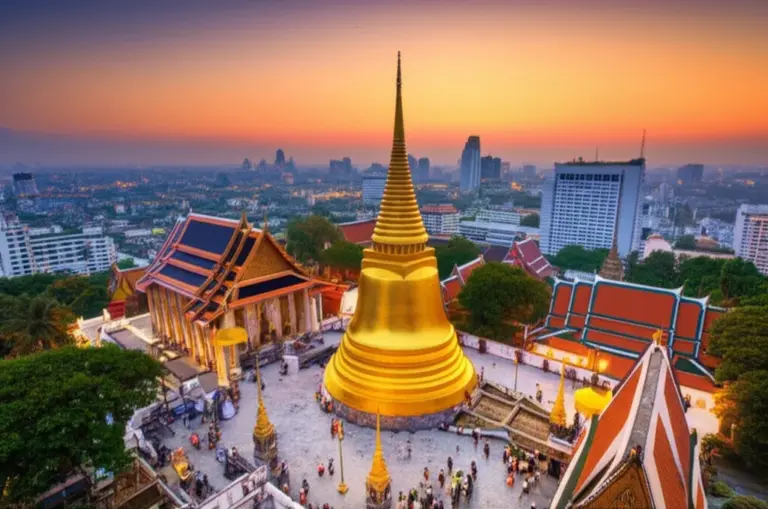
No trip to Thailand’s Spiritual Sites is complete without exploring the capital’s majestic Wats, which showcase diverse architectural styles and house relics of immense religious importance. The three most famous temples form a spiritual triangle near the Chao Phraya River.
Watch this video guide for an overview of Bangkok’s key temple destinations:
Wat Arun (The Temple of Dawn)
Standing majestically on the west bank of the Chao Phraya River, Wat Arun is recognizable by its stunning central prang (tower), which is covered in dazzling mosaic porcelain and colorful ceramic tiles. While beautiful at any time, its name, the Temple of Dawn, suggests the best time to appreciate its reflective surface is during the soft morning light. It served as the site of the Emerald Buddha before the capital moved across the river.
Wat Pho (The Temple of the Reclining Buddha)
Wat Pho is home to the spectacular 46-meter-long, 15-meter-high Reclining Buddha, covered in gold leaf. This temple is considered the birthplace of traditional Thai massage, and visitors can still receive authentic treatments or even enroll in courses here. The sheer scale and detail of the reclining figure, particularly the mother-of-pearl inlay on the feet depicting the 108 auspicious signs of the Buddha, are breathtaking.
Wat Phra Kaew (The Temple of the Emerald Buddha) and The Grand Palace
Located within the grounds of the Grand Palace, Wat Phra Kaew is Thailand’s most important and sacred temple. It enshrines the revered Emerald Buddha, a statue carved from a single block of jade. Unlike other Wats, Wat Phra Kaew has no resident monks; it is exclusively dedicated to the Buddha image. Visitors must dress impeccably, and photography inside the ordination hall is strictly forbidden out of respect for the sanctity of the site. The complex is a masterpiece of Thai craftsmanship and royal history.
Respecting local customs is crucial when visiting these sacred sites. Thai culture places immense value on Buddhism, and adherence to simple rules ensures a positive experience for everyone.
Dress Code and Respectful Behavior
- **Cover Up:** Shoulders, chests, and knees must be covered for both men and women. Avoid transparent or overly tight clothing.
- **Remove Shoes:** Always remove your shoes before entering the main chapel (Bot or Viharn).
- **Respect the Buddha:** Never point your feet towards a Buddha image or a monk. When sitting, tuck your feet behind you (known as the ‘mermaid’ position).
- **Monk Etiquette:** Women should never touch a monk, pass something directly to him, or sit next to him.
Best Time to Visit
The ideal time to visit most of Thailand’s Spiritual Sites is early in the morning (8:00 AM – 10:00 AM). This allows you to avoid the intense midday heat and the largest crowds of tour groups. Visiting temples in the late afternoon often provides beautiful lighting for photography, particularly at riverside temples like Wat Arun.
Planning Your Spiritual Journey Across Thailand
Whether you are seeking the tranquility of the North or the historical grandeur of the capital, Thailand offers a rich tapestry of spiritual exploration. Ensure you allocate enough time to absorb the atmosphere, not just rush through the photo opportunities. These sites are profound testaments to centuries of faith, offering peace and inspiration to every visitor.
Map of Bangkok Temple Area
คำถามที่พบบ่อย (FAQ)
References
- Tourism Authority of Thailand (TAT) Official Website
- Historical Overview of the Grand Palace Complex
- Lanna Kingdom History and Doi Suthep Foundation
- Why These Temples Matter: History, Cultural Significance, and What to Expect When You Visit Doi Suthep and Bangkok’s Famous Wats
- Planning Your Trip: Best Times to Visit, How to Get There (Chiang Mai to Doi Suthep, Getting Around Bangkok), Tickets, Dress Code, and Accessibility
- Top Temples to See in Bangkok and Chiang Mai: Detailed Highlights of Wat Phra Kaew, Wat Pho, Wat Arun, Wat Chedi Luang, and Doi Suthep