Step-by-step procession timeline: key moments, best viewing spots, and photography etiquette
Witnessing a traditional Thai procession is a sensory journey through time, faith, and artistry. Whether it is the Royal Barge Procession, a local temple parade, or a grand festival like Songkran, understanding the step-by-step procession timeline is essential for any traveler looking to capture the perfect moment while remaining respectful of local customs. This guide provides an expert breakdown of what to expect, where to stand, and how to behave.
The Foundation of the Step-by-Step Procession Timeline
Most grand processions in Thailand follow a rhythmic and highly organized structure. To navigate the day effectively, you must understand the chronological flow of events. Most ceremonies are divided into the assembly, the ceremonial launch, the peak movement, and the concluding rites.
Phase 1: The Assembly (2-3 Hours Before Start)
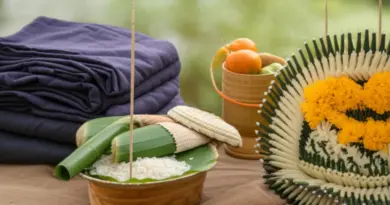
During this phase, participants gather at the starting point (usually a major temple or royal plaza). You will see musicians tuning traditional instruments, dancers perfecting their costumes, and officials coordinating the lineup. This is often the best time for close-up detail shots of intricate fabrics and floral offerings.
Phase 2: The Ceremonial Launch
The procession officially begins with a signal—often a drum beat, a conch shell blast, or a Buddhist chant. This marks the first movement of the step-by-step procession timeline. The atmosphere shifts from busy preparation to solemn, synchronized movement.
Key Moments You Cannot Miss
Within the timeline, certain windows offer the most dramatic visual and spiritual impact. Keep your eyes peeled for the arrival of the lead float or the sacred relics, which are usually positioned in the middle of the parade. In royal processions, the moment the highest-ranking official or royal family member passes is the absolute pinnacle of the event.
| Timeline Phase | Key Activity | Photography Focus |
|---|---|---|
| Pre-Procession | Ritual Blessings | Candid portraits of participants |
| Mid-Procession | Main Sacred Float | Wide shots of the grand scale |
| Conclusion | Temple Enshrinement | Atmospheric lighting and incense |
Best Viewing Spots for Thailand Processions
Finding the right vantage point is a critical part of your step-by-step procession timeline planning. In Bangkok, elevated positions like pedestrian overpasses or riverside restaurants provide a clear view of the entire line. For land-based parades, street corners (bends in the road) are ideal because the procession slows down, allowing more time for observation.
- Riverside Piers: Best for the Royal Barge Procession (e.g., Tha Chang or Tha Tien).
- Temple Gates: Ideal for seeing the start and end rituals.
- Shaded Overpasses: Good for avoiding the heat while maintaining a high-angle view.
Photography Etiquette and Cultural Respect
While capturing the beauty of the event is encouraged, Thailand’s processions are deeply spiritual. Follow these rules to ensure your presence is respectful:
- Do Not Block the Path: Never step into the road or the path of the procession for a photo.
- Dress Appropriately: Wear modest clothing (shoulders and knees covered), especially if viewing near a temple.
- Silence Your Devices: Keep noise to a minimum during solemn chants.
- Avoid Flash: In many sacred ceremonies, flash photography can be distracting or considered disrespectful to the deities or spirits involved.
Respecting the step-by-step procession timeline also means knowing when to put the camera down. When the most sacred relics pass, it is customary for locals to bow or sit on the ground. Following their lead shows deep cultural appreciation.
คำถามที่พบบ่อย (FAQ)
What is the best time to arrive for a procession in Thailand?
It is recommended to arrive at least 2 to 3 hours before the scheduled start time to secure a good viewing spot, as crowds can be very dense.
Can I take photos of the monks during the procession?
Yes, you can take photos, but you should keep a respectful distance and avoid using flash. Never stand in a position where your head is higher than a monk’s if they are seated or performing a ritual.
What should I wear to a religious procession?
You should wear modest attire that covers your shoulders and knees. This is a sign of respect for the religious and cultural significance of the event.
How long do these processions usually last?
While it varies by event, most major processions last between 1.5 to 3 hours from the start of the movement to the final destination.
References
Tourism Authority of Thailand (TAT)
Bangkok Post Travel Section