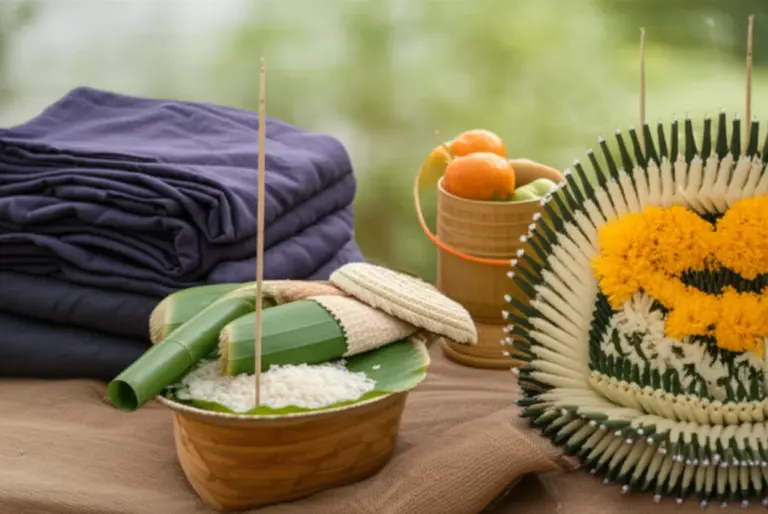
Preparing respectfully: dress code, etiquette, and what to bring for morning alms giving and evening krathong ceremonies
- Preparing respectfully: dress code, etiquette, and what to bring for morning alms giving and evening krathong ceremonies
- Understanding Thai Cultural Practices: Alms Giving and Loy Krathong
- Dress Code for Respectful Participation
- Essential Etiquette for Engaging with Locals and Monks
- What to Bring: Practical Preparations
- Tips for a Meaningful Cultural Experience
- คำถามที่พบบ่อย (FAQ)
- Q1: Can tourists participate in morning alms giving?
- Q2: What should I wear for Loy Krathong if I want to float a krathong?
- Q3: Is it okay to take photos during these ceremonies?
- Q4: Where can I buy a krathong for the Loy Krathong festival?
- Q5: What is the significance of placing hair or nail clippings in a krathong?
- References
Thailand, the ‘Land of Smiles,’ offers a vibrant tapestry of culture, spirituality, and breathtaking landscapes. For many visitors, engaging with local traditions provides the deepest insights into the country’s heart. Two such profound experiences are the morning alms giving to Buddhist monks and the enchanting evening Loy Krathong ceremonies. To ensure your participation is both respectful and rewarding, understanding the appropriate dress code, etiquette, and what to bring is paramount. This guide will help you navigate these beautiful traditions, allowing you to immerse yourself fully in the rich cultural heritage of Thailand, particularly during Thailand alms giving and Krathong ceremonies.
Understanding Thai Cultural Practices: Alms Giving and Loy Krathong
Before delving into the specifics, it’s helpful to grasp the significance of these two distinct, yet equally important, Thai traditions. Both offer unique windows into the country’s spiritual and community life.
The Significance of Morning Alms Giving
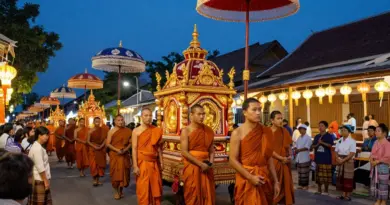
Morning alms giving, or ‘Tak Bat’ (ตักบาตร), is a daily ritual where Buddhist monks walk barefoot through the streets to collect food and other necessities from the local community. This practice is deeply rooted in Buddhist philosophy, offering laypeople an opportunity to make merit (tham boon) and support the monastic order. For monks, it’s a practice of humility and dependence on the community, while for the givers, it’s an act of generosity, respect, and spiritual purification. You’ll typically see this early in the morning, often before sunrise, and it’s a serene and contemplative event.
The Beauty of Loy Krathong
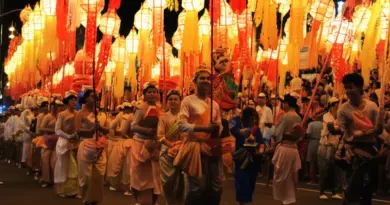
Loy Krathong (ลอยกระทง), meaning ‘to float a basket,’ is one of Thailand’s most picturesque and cherished festivals. Celebrated on the full moon night of the 12th lunar month (usually in November), people gather by rivers, canals, and lakes to release intricately decorated ‘krathongs’ – small floats made from banana leaves, flowers, candles, and incense – onto the water. This act symbolizes letting go of misfortunes, negativity, and bad luck, and offering thanks to the Water Goddess, Phra Mae Khongkha. It’s a magical evening filled with lights, wishes, and a sense of renewal.
Dress Code for Respectful Participation
Adhering to the appropriate dress code is a fundamental sign of respect for Thai culture and religious traditions. While Thailand is generally relaxed, these ceremonies require a more conservative approach.
Modesty is Key: General Guidelines
For both alms giving and Loy Krathong, modest attire is essential. This means covering your shoulders and knees. Avoid revealing clothing, such as tank tops, short shorts, mini-skirts, and overly tight or sheer garments. While the weather might be warm, lightweight, breathable fabrics like cotton or linen can keep you comfortable while maintaining respect.
- Tops: Opt for shirts with sleeves (short or long) that cover your shoulders. T-shirts are generally acceptable, but blouses or button-down shirts are even better.
- Bottoms: Long pants, capris that cover the knee, or long skirts are appropriate. Jeans are fine, but lighter fabrics are often more comfortable.
- For Women: Ensure your cleavage is not exposed. A shawl or scarf can be useful for additional coverage if needed, especially when entering temples or participating directly in ceremonies.
Specifics for Temples and Ceremonies
If you plan to enter a temple (Wat) before or after alms giving, or during Loy Krathong celebrations that might take place near temple grounds, stricter rules apply. You will need to remove your shoes before entering temple buildings, and ensure your attire is fully modest. Some popular temples might offer sarongs for rent or loan if you are not appropriately dressed, but it’s always better to come prepared.
Footwear Etiquette
For alms giving, you’ll be standing or kneeling on the street, so comfortable walking shoes or sandals are suitable. For Loy Krathong, you’ll likely be walking along riverbanks or crowded areas, so comfortable and easy-to-remove footwear (like slip-on sandals) is advisable, especially if you anticipate entering any buildings. Remember, shoes are always removed before entering someone’s home, a temple, or specific designated areas.
Essential Etiquette for Engaging with Locals and Monks
Beyond dress, understanding and practicing proper etiquette is crucial for showing respect and ensuring a positive experience for everyone involved.
Showing Respect (Wai)
The ‘Wai’ is the traditional Thai greeting, performed by pressing palms together in a prayer-like gesture and bowing the head. The higher the hands are placed relative to the face and the deeper the bow, the more respect is shown. When interacting with monks or elders, a deeper, more pronounced Wai is appropriate. Generally, wait for a Thai person to Wai you first, unless you are greeting a monk or an elder.
Rules of Conduct During Alms Giving
Participating in alms giving is a privilege. Observe locals and follow their lead.
| Do’s | Don’ts |
|---|---|
| Maintain a respectful silence. | Talk loudly or disrupt the ceremony. |
| Offer food or items with your right hand. | Touch a monk, especially if you are a woman. |
| Remove your shoes if kneeling or sitting on the ground. | Point your feet at a monk or a Buddha image. |
| Bow your head slightly as monks pass. | Stand above a monk (try to be at eye level or lower). |
Loy Krathong is a festive occasion, but still requires cultural sensitivity.
- Be Mindful of Crowds: Loy Krathong attracts large crowds, especially in popular locations. Be patient and aware of your surroundings.
- Environmental Responsibility: Choose krathongs made from natural, biodegradable materials (e.g., banana leaves, bread) to minimize environmental impact. Avoid styrofoam or plastic.
- Photography: Be respectful when taking photos. Always ask permission if photographing individuals, especially monks.
What to Bring: Practical Preparations
Having the right items can enhance your experience and ensure you are prepared for these cultural events.
For Morning Alms Giving
- Food Offerings: If you wish to participate, prepare small portions of cooked rice, fresh fruit, or pre-packaged snacks. Locals often buy pre-made sets from vendors near the alms route. Avoid offering meat unless you are certain it aligns with the particular monastic tradition.
- Water/Drinks: Small bottles of water or juice are also acceptable offerings.
- Small Denomination Currency: Sometimes, small cash donations are also accepted, often placed in a bowl or specific container provided by the monk or his attendant.
- Modest Attire: As discussed, be dressed appropriately.
For Evening Krathong Ceremonies
- Krathong: You can purchase a ready-made krathong from local vendors, especially near rivers and canals during the festival. Alternatively, some places offer workshops where you can make your own.
- Candle and Incense: Ensure your krathong has a candle and incense sticks. These are lit just before floating.
- Small Change: Useful for buying krathongs, snacks, or small offerings at temples.
- Camera: To capture the beautiful sights, but remember to be respectful with photography.
- Mosquito Repellent: Especially if you’ll be near water bodies in the evening.
Tips for a Meaningful Cultural Experience
Participating in Thailand alms giving and Krathong ceremonies offers a profound connection to Thai culture. Here are some additional tips:
- Observe First: If unsure, observe how locals participate before joining in.
- Go Early: For alms giving, arrive early to witness the full procession and find a good spot. For Loy Krathong, arrive before sunset to experience the transition from day to illuminated night.
- Engage with Locals: Thai people are generally very welcoming. A smile and a polite ‘Sawasdee ka/krap’ (hello) can open doors to wonderful interactions.
- Embrace the Moment: While photography is tempting, take time to simply absorb the atmosphere and significance of these events.
By following these guidelines for dress code, etiquette, and preparation, you will not only show immense respect for Thai traditions but also enrich your own travel experience. Participating thoughtfully in morning alms giving and evening Loy Krathong ceremonies will undoubtedly become highlights of your visit, leaving you with lasting memories of Thailand’s deep cultural heart.
คำถามที่พบบ่อย (FAQ)
Here are some frequently asked questions regarding participation in Thai cultural ceremonies:
Q1: Can tourists participate in morning alms giving?
A1: Yes, tourists are welcome to participate in morning alms giving. It’s an excellent way to engage with local culture. However, it’s crucial to do so respectfully by observing local customs, dressing modestly, and understanding the significance of the act. Many hotels or local guides can assist you in preparing offerings and explaining the process.
Q2: What should I wear for Loy Krathong if I want to float a krathong?
A2: For Loy Krathong, the dress code is more relaxed than for temple visits but still leans towards modesty. Comfortable, respectful clothing that covers shoulders and knees is ideal. Many Thais dress in traditional attire for the festival, but smart casual wear is perfectly acceptable for tourists. Avoid overly revealing or flashy outfits.
Q3: Is it okay to take photos during these ceremonies?
A3: Generally, yes, but with discretion. For alms giving, maintain distance, avoid flash, and do not interrupt the monks or participants. For Loy Krathong, photography is common due to the visual spectacle, but always be mindful of others, avoid blocking views, and ask permission before taking close-up photos of individuals.
Q4: Where can I buy a krathong for the Loy Krathong festival?
A4: During the Loy Krathong festival, vendors will set up stalls near rivers, canals, and lakes in cities and towns across Thailand. You’ll find a wide variety of krathongs available for purchase, ranging from simple designs to elaborate ones. Look for those made from natural, biodegradable materials like banana leaves, flowers, or even bread, to be environmentally friendly.
Q5: What is the significance of placing hair or nail clippings in a krathong?
A5: Some participants place small personal items like hair strands or nail clippings into their krathong. This act symbolizes letting go of negative aspects of oneself or past misfortunes, allowing them to float away with the krathong and paving the way for a fresh start and good luck in the coming year. It’s a personal ritual that adds a deeper layer of meaning for many.
References
For more information on Thai culture and festivals, consider exploring resources from reputable tourism authorities and cultural organizations.
- Tourism Authority of Thailand
- Thailand Loy Krathong (ลอยกระทง) Festival and How People Celebrate It – YouTube
- Joining the Traditional Loy Krathong Festival – Gin Aroy
- The Chiang Mai Alms Giving and Loy Krathong: How to Participate Respectfully
- Why these festivals matter: cultural significance and best times to visit Chiang Mai for alms giving and Loy Krathong
- How to join ethically: choosing the right tour, interacting with monks and locals, and avoiding common tourist mistakes