Common Health Risks in Thailand and How to Prevent Them
Thailand is a dream destination for millions, offering pristine beaches, bustling street markets, and incredible cultural heritage. However, travelers should be aware of Common Health Risks in Thailand and How to Prevent Them to ensure their holiday remains memorable for all the right reasons. While the country is generally safe, understanding specific environmental, food, and insect-borne risks is essential for a worry-free experience.
Understanding Environmental Health Challenges
The tropical climate is one of Thailand’s biggest draws, but it also brings specific health challenges. Heat exhaustion and dehydration are perhaps the most frequent issues faced by tourists unaccustomed to the humidity. The sun can be deceptively strong, even on cloudy days.
Food and Water Safety
Thai street food is world-famous, but it is also a common source of digestive issues for visitors. Traveler’s diarrhea is often caused by bacteria, viruses, or parasites found in contaminated food or water. To minimize your risk, follow the golden rule: boil it, cook it, peel it, or leave it.
- Drink bottled water only: Avoid tap water entirely, even for brushing your teeth if you have a sensitive stomach.
- Choose busy stalls: High turnover at food stalls usually means fresher ingredients.
- Avoid raw items: Be cautious with raw salads or unpeeled fruits that may have been washed in tap water.
Mosquito-Borne Illnesses
Dengue fever is a legitimate concern in Thailand, particularly during the rainy season. Unlike malaria, which is rare in urban tourist areas, dengue is prevalent in both cities and rural regions. Prevention is entirely focused on avoiding mosquito bites.
| Prevention Strategy | Action Required |
|---|---|
| Repellent | Use DEET-based or Picaridin repellents consistently. |
| Clothing | Wear long sleeves and pants during dawn and dusk. |
| Environment | Stay in rooms with screens or air conditioning. |
Road Safety and Physical Injuries
Beyond biological risks, road accidents remain a leading cause of injury for tourists. Renting motorbikes is incredibly popular, but it is also the source of many medical emergencies. Always ensure you have a valid international driving permit and comprehensive travel insurance that specifically covers motorbike accidents. Never ride without a helmet, and be aware that traffic in Thailand drives on the left side of the road.
คำถามที่พบบ่อย (FAQ)
Is tap water in Thailand safe to drink?
No, it is generally recommended that tourists avoid drinking tap water directly. Stick to bottled or filtered water provided by hotels and restaurants.
What vaccinations do I need before visiting Thailand?
While no specific vaccines are legally required for entry, it is recommended to be up-to-date on routine vaccines and consider Hepatitis A and Typhoid, given the potential for foodborne illness.
What should I do if I get sick in Thailand?
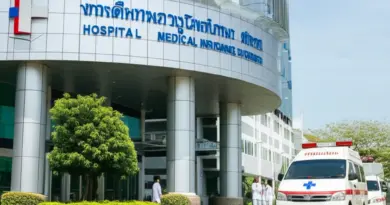
Thailand has excellent private medical facilities. If you feel unwell, visit a private international hospital, which usually has English-speaking staff. Ensure you have travel insurance to cover costs.