Food, Water, and Hygiene Safety Tips for a Healthier Trip
Traveling to Thailand is an adventure for the senses, offering vibrant street food, lush landscapes, and bustling night markets. However, maintaining your health is paramount to ensuring you enjoy every moment of your vacation. Following Food, Water, and Hygiene Safety Tips for a Healthier Trip is the best way to avoid common travel ailments like traveler’s diarrhea or food poisoning. By understanding local nuances and practicing simple preventative measures, you can indulge in the culinary delights of the Land of Smiles without worry.
Understanding Food Safety in Thailand
Thailand is famous for its street food culture. While much of it is safe and delicious, it pays to be selective. The rule of thumb is to look for stalls with high turnover. High turnover means the food is fresh and not sitting out in the heat for extended periods. Observe the vendor—do they handle money and food with the same hands? Are they wearing gloves or using tongs? These visual cues are essential for assessing hygiene standards.
Key Food Safety Guidelines:
- Eat it hot: Always opt for dishes that are cooked to order and served piping hot. Heat kills most pathogens.
- Avoid raw items: Be cautious with raw salads, unpeeled fruits, or raw seafood (like raw shrimp in som tum) unless you are in a high-end, reputable establishment.
- Peel it yourself: When eating fruit, choose items you can peel yourself, such as bananas, oranges, or mangoes.
Water Safety: Hydration Without the Risk
Drinking tap water in Thailand is generally not recommended for tourists. Even if the water is treated at the source, the aging pipe infrastructure in many areas can introduce contaminants. Stick to bottled water, which is widely available, affordable, and safe. Ensure the seal on the bottle is intact before you purchase it. Additionally, be mindful of ice. In most tourist areas, ice cubes are manufactured in commercial factories and are safe to consume. However, if you are in a very remote area, you might want to skip the ice just to be safe.
Water Consumption Tips:
| Do | Don’t |
|---|---|
| Drink sealed bottled water. | Drink directly from the tap. |
| Use bottled water for brushing teeth. | Use tap water for drinking. |
| Stay hydrated with coconut water. | Accept drinks with ice in remote areas if unsure. |
Maintaining Hygiene on the Go
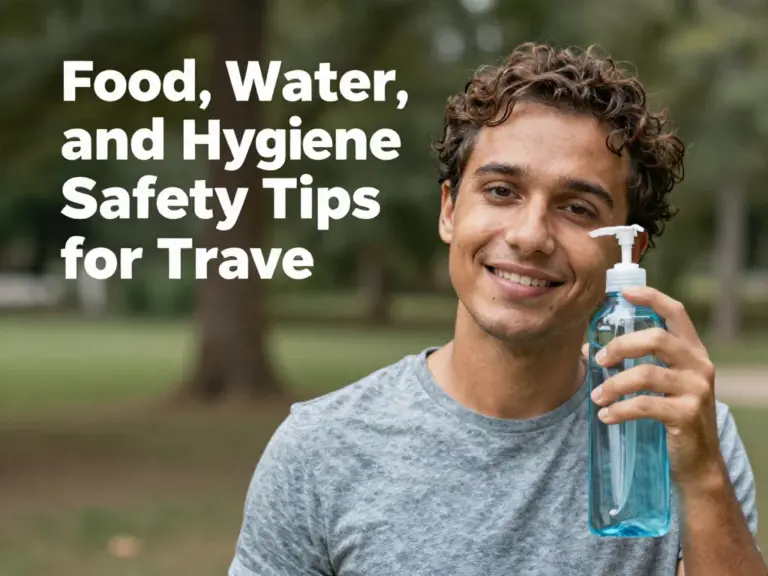
Hygiene is the cornerstone of a healthy trip. In tropical climates like Thailand, bacteria can multiply rapidly. Washing your hands frequently with soap and water is the most effective way to prevent illness. If soap is not available, use an alcohol-based hand sanitizer with at least 60% alcohol content. Pay special attention to your hands before eating or touching your face. Furthermore, consider keeping a small first-aid kit with basic medications like rehydration salts and anti-diarrheal tablets, just in case.
คำถามที่พบบ่อย (FAQ)
Can I drink tap water in Thailand?
No, it is generally recommended to avoid drinking tap water in Thailand. Stick to bottled or purified water to stay safe.
Is street food in Thailand safe to eat?
Yes, much of it is safe, provided you choose stalls with high turnover and observe good hygiene practices, such as ensuring the food is cooked thoroughly.
Should I worry about ice in my drinks?
In most cities and tourist destinations, commercially produced ice is safe. If you are in a very rural area, it is safer to avoid ice.
What should I pack for health safety?
Pack a small kit containing hand sanitizer, wet wipes, oral rehydration salts, and basic anti-diarrheal medication.
How can I avoid getting sick from food?
Opt for freshly cooked, hot meals, avoid raw vegetables or unpeeled fruit, and wash your hands before eating.