- Common illnesses and how to prevent them in Thailand: food and water safety, mosquito-borne diseases (dengue, malaria, Zika), and sun-related issues
Thailand, the Land of Smiles, is an incredible travel destination, but its tropical environment presents a unique set of health challenges for tourists. Proactive health management is key to ensuring your trip is filled with unforgettable memories, not unexpected sick days. This comprehensive guide is designed for **thailand tourism** visitors, focusing on **preventing illness in Thailand** by addressing the most common risks: food and water safety, mosquito-borne diseases, and intense tropical sun exposure. By understanding these threats and implementing simple precautions, you can significantly reduce your risk and enjoy a worry-free vacation.
Travel Health Essentials for Preventing Illness in Thailand
A successful trip begins with preparation. Knowing the risks is half the battle. The three primary health concerns in Thailand are gastrointestinal issues from food/water, vector-borne diseases (mosquitoes), and environmental factors (sun/heat). Remember that while Thailand has world-class private hospitals, relying on travel insurance is crucial for unexpected medical costs.
Understanding the local environment and practicing enhanced personal hygiene are the most effective measures for **preventing illness in Thailand**. Simple habits, like frequent hand washing and carrying sanitizer, can drastically cut down on the risk of contracting common colds or stomach bugs.
Guarding Against Food and Waterborne Illnesses
Traveler’s diarrhea, often referred to as ‘Thai Belly,’ is the most common complaint among tourists. It is typically caused by consuming contaminated food or water. While street food is a highlight of the Thai experience, a cautious approach is necessary.
Safe Street Food Practices
- **Seek High Turnover:** Choose street vendors with long queues and high customer turnover. This ensures the food is fresh and not sitting out for long periods.
- **Watch Preparation:** Look for vendors who cook the food fresh in front of you and serve it immediately, ensuring it is piping hot. Avoid food that has been pre-cooked and allowed to cool.
- **Avoid Unpeeled Produce:** Stick to fruits you can peel yourself (e.g., bananas, mangoes) and avoid salads or raw vegetables washed in potentially unsafe water.
- **Be Wary of Sauces:** Use sauces and condiments sparingly, as their hygiene and storage conditions can sometimes be questionable.
Water Consumption Rules
**Never drink tap water in Thailand.** This rule extends to brushing your teeth. Always use bottled water, which is cheap and widely available. For ice, most reputable restaurants and hotels use ice made from purified water (often distinguishable by the hole in the center), which is generally safe. If in doubt at a remote stall, skip the ice.
The Mosquito Menace: Dengue, Malaria, and Zika Prevention
Mosquito-borne diseases pose a significant health risk in Thailand, especially during the rainy season (May to October). The most prevalent concern in tourist areas is Dengue Fever.
Understanding the Risks
- **Dengue Fever:** This is the primary concern, found in urban and rural areas. The Aedes mosquito that transmits it is a **day-biter**, most active from dawn to dusk. Symptoms include high fever, severe headache, and joint pain.
- **Malaria:** The risk of Malaria is low in major tourist areas like Bangkok, Chiang Mai, and the main islands. It is generally confined to forested, rural border areas. Anti-malarial medication may be recommended if traveling to these specific high-risk zones.
- **Zika Virus:** While the risk is generally low and outbreaks are rare, Zika is transmitted by the same Aedes mosquito as Dengue. Precautions for Dengue will also prevent Zika.
Effective Mosquito Prevention Strategies
The best defense is rigorous prevention. Since Dengue mosquitoes bite during the day, protection must be constant.
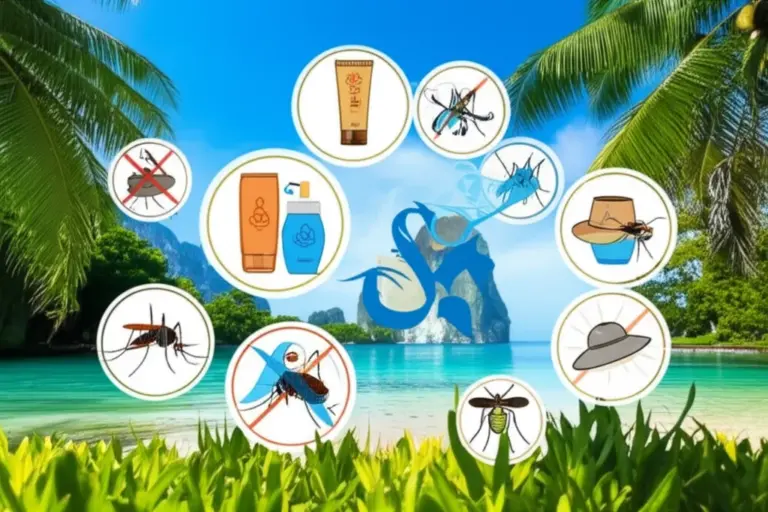
- Use a high-strength repellent containing **DEET** (30-50%), Picaridin, or Oil of Lemon Eucalyptus. Apply it liberally and reapply often, especially after swimming or sweating.
- Wear light-colored, long-sleeved shirts and long trousers, particularly during the day and early evening.
- Ensure your accommodation has intact window screens or air conditioning. If sleeping outdoors or in budget accommodation, use a mosquito net.
Beating the Tropical Heat: Sun and Heat-Related Issues
Thailand’s sun is powerful year-round, leading to risks of severe sunburn, heat exhaustion, and heatstroke. The peak heat months are typically March to May, where temperatures can soar.
Sunburn and Heatstroke Prevention
Sun Safety
- Apply broad-spectrum sunscreen with an SPF of 30 or higher. Reapply every two hours, or immediately after swimming or heavy sweating.
- Seek shade between 10 AM and 4 PM, when the sun’s UV index is highest.
- Wear a wide-brimmed hat and UV-blocking sunglasses.
Hydration and Heat Safety
- Drink plenty of bottled water throughout the day—don’t wait until you feel thirsty.
- Use oral rehydration salts (ORS), widely available at 7-Eleven stores, if you experience excessive sweating or diarrhea.
- Limit strenuous activity during the hottest parts of the day and wear loose, light-colored clothing.
Your Thailand Travel Health Kit
While most over-the-counter medicines are available in Thai pharmacies (and pharmacists are knowledgeable), having a small personal kit can save you time and discomfort.
| Item | Purpose | Notes |
|---|---|---|
| Anti-diarrheal (Loperamide) | Sudden stomach issues | Use sparingly; allow toxins to pass if possible. |
| Oral Rehydration Salts (ORS) | Dehydration due to heat or diarrhea | Essential for replacing lost electrolytes. |
| Broad-spectrum Antibiotic | Severe traveler’s diarrhea | Prescription only; discuss with your doctor. |
| Insect Repellent (DEET) | Mosquito and insect bite prevention | High concentration is best for Dengue areas. |
| Pain Relievers (Paracetamol/Ibuprofen) | Headaches, general aches, or fever | Avoid Aspirin if you suspect Dengue. |
คำถามที่พบบ่อย (FAQ)
Is street food safe to eat in Thailand?
Generally, yes, street food is safe, provided you follow key precautions. Look for vendors with high customer turnover, ensuring the food is cooked fresh and served piping hot. Avoid pre-prepared dishes that have been sitting out. Always choose cooked food over raw items, and use bottled water for drinking.
What is the most common mosquito-borne disease I should worry about in Thailand?
Dengue Fever is the most common mosquito-borne illness in tourist areas across Thailand. It is transmitted by the Aedes mosquito, which is most active during the daytime (dawn to dusk). Protection requires applying DEET-based repellent consistently throughout the day.
Do I need to worry about the sun even on cloudy days?
Yes, absolutely. Up to 80% of the sun’s UV rays can penetrate clouds, meaning the risk of sunburn and heat-related issues remains high even on overcast days. Consistent application of high SPF sunscreen and proper hydration are necessary regardless of the weather conditions.
Where should I go if I get sick in Thailand?
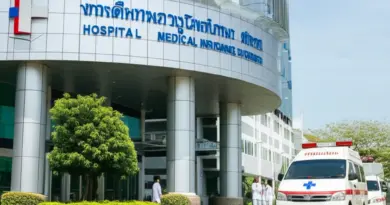
For minor illnesses, you can visit a local pharmacy (many pharmacists speak English) or a small local clinic. For more serious issues, Thailand has excellent private hospitals in major cities like Bangkok, Chiang Mai, and Phuket, which are recommended for tourists due to their high standards and English-speaking staff. Always have your travel insurance details ready.
How can I prevent heatstroke during my Thailand tourism trip?
To prevent heatstroke, prioritize hydration by drinking water frequently, even if you don’t feel thirsty. Limit strenuous activity between 10 AM and 4 PM. Wear light, loose-fitting clothing, and take regular breaks in air-conditioned or shaded areas. Using ORS can help replace electrolytes lost through sweat.
References
- CDC Travel Health Notices for Thailand
- World Health Organization (WHO) on Zika
- CDC Yellow Book: Dengue Fever
- Is Thailand Safe? A Guide to Health for Travelers and Expats
- Health risks and vaccination checklist for Thailand: recommended vaccines, where to get them, and pre-travel medicine tips
- Navigating Thailand’s healthcare system: finding hospitals, clinics, medical insurance for tourists/expats, and emergency procedures