Who Are Thailand’s Hill Tribes? Understanding Their Origins, History, and Identity
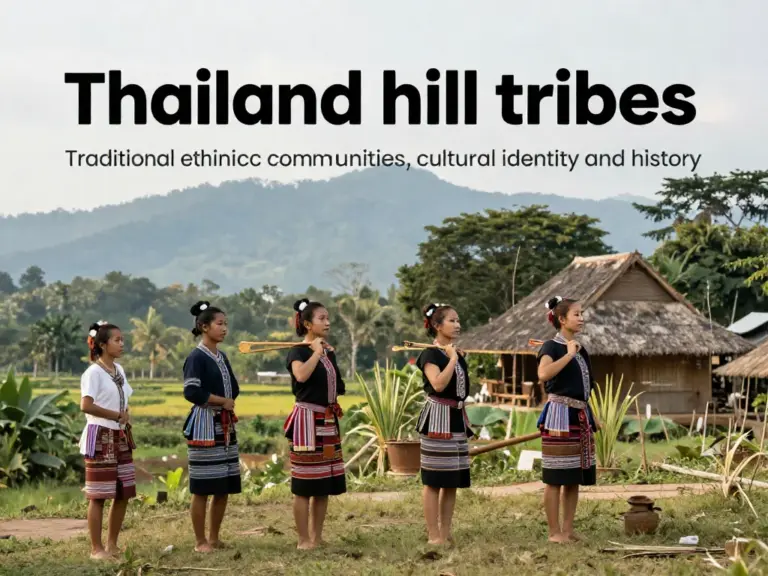
When travelers venture into the mist-covered mountains of Northern Thailand, they often encounter a tapestry of cultures vastly different from the lowland Thai society. Collectively known as Thailand’s Hill Tribes, these distinct ethnic groups are integral to the region’s heritage. Understanding their origins, history, and identity provides a deeper, more meaningful experience for any visitor exploring the northern provinces.
The Origins and Diversity of the Hill Tribes
The term “Hill Tribes” refers to several distinct ethnic groups that migrated into Thailand from Southern China, Tibet, and Myanmar over the last few centuries. While they are often grouped together, each tribe maintains its own language, traditional dress, religious beliefs, and social customs. The major groups recognized in Thailand include the Karen, Hmong, Lahu, Mien (Yao), Akha, Lisu, and Hmong.
Historical Context and Identity
The history of Thailand’s Hill Tribes is one of resilience and adaptation. Many migrated due to political instability or conflict in their home regions. Historically, they lived in relative isolation from the central Thai government, practicing animism and maintaining self-sufficient lifestyles. Over the 20th century, the Thai government initiated integration programs, encouraging the adoption of Thai citizenship and modern infrastructure. Today, while many younger generations have integrated into mainstream Thai society, elders continue to preserve the oral traditions and intricate handicraft skills that define their cultural identity.
Cultural Practices and Tourism
Cultural tourism has become a significant aspect of the northern economy. Visitors are often drawn to the vibrant textiles, silverwork, and unique architectural styles of the villages. However, it is essential to approach these visits with sensitivity. Responsible tourism involves engaging with local community-based projects that ensure economic benefits return directly to the families, rather than commercialized “human zoos.”
Key Tribes You May Encounter
| Tribe Name | Known For |
|---|---|
| Karen | Largest population, skilled weavers. |
| Hmong | Intricate embroidery and batik work. |
| Akha | Distinctive silver headpieces and swing ceremonies. |
คำถามที่พบบ่อย (FAQ)
Q: Is it ethical to visit hill tribe villages in Thailand?
A: Yes, provided you choose community-based tourism operators that prioritize local welfare and respect cultural boundaries. Always ask for permission before taking photographs.
Q: What is the best way to support the local hill tribe communities?
A: Purchasing handmade crafts directly from artisans in the villages and hiring local guides are the most effective ways to support their economy.
Q: Can I learn about Thailand’s Hill Tribes in Bangkok?
A: While most villages are in the north, museums like the Museum of World Insects and Natural Wonders or cultural exhibitions sometimes feature artifacts and history of the tribes.