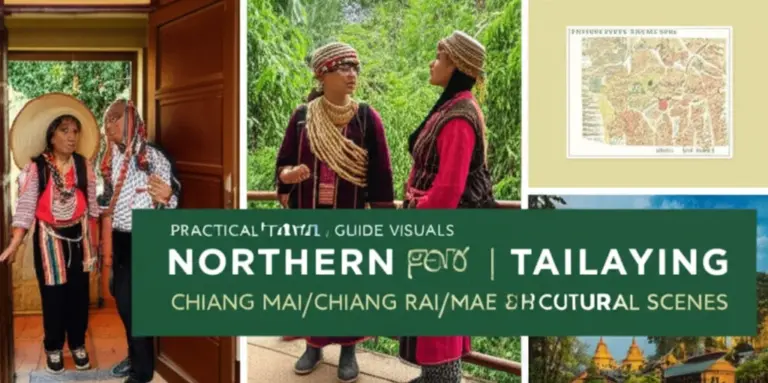
Practical Travel Guide to Visiting Hill Tribe Communities: ethical tourism tips, best seasons and regions (Chiang Mai, Chiang Rai, Mae Hong Son), responsible homestays, and local guides
- Practical Travel Guide to Visiting Hill Tribe Communities: ethical tourism tips, best seasons and regions (Chiang Mai, Chiang Rai, Mae Hong Son), responsible homestays, and local guides
Northern Thailand, with its misty mountains and lush valleys, is home to diverse ethnic minority groups, collectively known as the ‘Hill Tribes.’ For travelers seeking authentic cultural engagement, visiting these communities can be a profoundly rewarding experience. However, the key to ensuring these visits remain positive for both the traveler and the host community lies in practicing **ethical hill tribe tourism Thailand**. This comprehensive guide provides practical tips, regional advice, and essential ethical guidelines to help you travel responsibly and respectfully.
Core Principle: Respect and Reciprocity
Always remember that you are a guest in someone’s home and culture. Your presence should contribute positively to the local economy and cultural preservation, not detract from it.
The Ethics of Visiting Hill Tribe Communities
The term ‘hill tribe’ encompasses various groups—including the Karen, Akha, Lahu, Lisu, Hmong, and Yao—each with unique languages, customs, and traditional dress. Unfortunately, the growth of mass tourism has led to the creation of ‘staged’ or ‘commercial’ villages, which prioritize profit over genuine cultural exchange, sometimes exploiting residents. Choosing genuine community-based tourism (CBT) is the foundation of **ethical hill tribe tourism Thailand**.
Understanding Cultural Sensitivity and Photography
Before taking photos, especially of individuals, always ask permission, ideally through a local guide. If permission is granted, be ready to offer a small gratuity or purchase a craft item as a gesture of thanks. Avoid treating villagers as tourist attractions; they are living their daily lives. Respect local taboos, such as entering certain sacred areas or touching specific items or people (like the head, which is considered sacred).
Supporting Genuine Community-Based Tourism (CBT)
Look for programs that are run by the communities themselves, where profits are distributed equitably. True CBT focuses on education, sustainable practices, and small group sizes. Avoid large tour buses that flood a village for a quick photo opportunity. Genuine homestays and trekking companies that hire local guides are usually the best indicators of ethical practice.
Watch Before You Go: Ethical Travel
Understanding the impact of tourism on indigenous communities is vital for responsible travel planning.
Best Regions and Seasons for Your Visit
Northern Thailand offers three primary provinces for hill tribe exploration: Chiang Mai, Chiang Rai, and Mae Hong Son. Your choice depends on whether you prioritize accessibility or remoteness.
Chiang Mai: Accessibility and Variety
Chiang Mai is the most accessible hub. While it contains some of the more commercialized sites, it also hosts excellent, well-established CBT programs, particularly in the areas near Doi Inthanon National Park and the surrounding mountains. Look for smaller, specialized tour operators focusing on sustainable trekking and homestays with the Karen or Hmong communities.
Chiang Rai: Focus on the Golden Triangle Tribes
Chiang Rai offers proximity to the Golden Triangle region, where you can find Lahu and Akha communities. Due to its history and location closer to Myanmar and Laos, the cultural dynamics here can feel slightly different. The area around Mae Salong is famous for its tea plantations and interactions with ethnic Chinese communities, providing a diverse cultural landscape.
Mae Hong Son: The Remote and Authentic Experience
If seeking depth over convenience, Mae Hong Son is the ideal destination. Its mountainous terrain means villages are harder to reach, naturally filtering out mass tourism. This province is rich in Karen and Shan culture. The small towns of Pai and Mae Hong Son serve as excellent bases for multi-day treks and genuine homestay experiences where you can truly immerse yourself in village life. The longer travel time is often rewarded with more meaningful interactions.
The Mae Hong Son loop is renowned for its 1,864 curves and stunning scenery, connecting many remote hill tribe villages that adhere strongly to traditional ways of life.
When to Go: Climate and Festivals
- Cool Season (November to February): This is the best season for trekking. The weather is dry and temperatures are pleasant (15°C–25°C). This is high season, so book homestays well in advance.
- Hot Season (March to May): Extremely hot and dry. Visibility is often poor due to agricultural burning (‘smoky season’), making trekking uncomfortable. Avoid this period if possible.
- Rainy Season (June to October): Fewer tourists and lush green landscapes. However, trails can be muddy, and access to remote villages might be restricted.
Practical Tips for Responsible Engagement
Choosing Responsible Homestays and Local Guides
The most impactful way to practice **ethical hill tribe tourism Thailand** is by choosing local. A local guide not only enhances your understanding of the culture but also ensures that the money directly supports the community. Responsible homestays offer simple, clean accommodation and provide authentic meals, often cooked over an open fire. These experiences are structured to respect the privacy and daily routines of the host family.
| Do’s | Don’ts |
|---|---|
| Learn a few words of the local language (e.g., ‘hello’ and ‘thank you’). | Hand out candy, pens, or money directly to children (it fosters a begging culture). |
| Purchase handicrafts directly from the maker in the village. | Wear revealing clothing (shoulders and knees should be covered, especially when visiting temples or homes). |
| Negotiate prices respectfully and accept the local rate for services. | Enter private homes or sacred areas without explicit invitation. |
Donation and Purchasing Etiquette
If you wish to donate, do so through a recognized local organization or school administrator, ensuring the donation is distributed fairly. Bringing school supplies or basic medicines to the village head is better than handing items out randomly. When purchasing crafts, remember that these items take time and skill to produce; pay a fair price that reflects their labor, thereby supporting the sustainable continuation of their traditional arts.
คำถามที่พบบ่อย (FAQ)
Here are common questions regarding visiting hill tribe communities ethically:
Is it ethical to visit the Karen Long Neck villages?
Many human rights organizations advise caution, as some villages are criticized for being ‘human zoos’ where women are economically pressured to remain on display. If you choose to visit, ensure the village is part of a verified community development project that guarantees fair wages and freedom of movement for the residents.
How can I ensure my tour operator is ethical?
Look for operators who explicitly state their commitment to community-based tourism (CBT), hire guides from the visited tribes, use locally-owned transport and accommodation, and clearly define how profits are shared with the village elders or community fund. Ask specific questions about their practices.
What is the best way to communicate if I don’t speak Thai or the local dialect?
A local guide or translator is essential for meaningful communication. For basic interactions, body language, smiles, and hand gestures are universally understood. Always maintain a polite and patient demeanor.
References
Tourism Authority of Thailand (TAT) Official Site
Responsible Travel Guidelines and Resources
- Exploring Thailand’s Ethnic Diversity: A Guide to Hill Tribes and Local Cultures
- Overview of Thailand’s Hill Tribes and Their Historical Roots: who they are, where they live, major groups (Karen, Hmong, Akha, Lisu, Lahu), and cultural influences from migration and history
- Cultural Practices, Traditions, and Daily Life: language, dress, festivals, agriculture, crafts, belief systems, and how modernization affects traditions