- Navigating Cities: Bangkok and Chiang Mai Local Transport–Skytrain, MRT, Taxis, Tuk-tuks, Motorbike Taxis, and Ride-Hailing Apps
- Bangkok: The Dynamic Metropolis
- Chiang Mai: The Northern Rose
- Essential Tips for Navigating Both Cities
- General Location Information
- คำถามที่พบบ่อย (FAQ)
- What is the best way to get around Bangkok for tourists?
- Are tuk-tuks safe in Thailand?
- How do I get around Chiang Mai without a car?
- Is it better to use Grab or Bolt in Thailand?
Thailand, with its captivating blend of ancient traditions and modern vibrancy, offers an unforgettable travel experience. For any traveler, understanding the local transportation systems in its major cities, especially Bangkok and Chiang Mai local transport, is key to unlocking a seamless and enriching journey. These two cities, while both offering unique cultural insights, present distinct transportation landscapes that savvy tourists should master. This comprehensive guide will navigate you through all the options, from the efficient Skytrain and MRT to the thrilling tuk-tuks and convenient ride-hailing apps, ensuring you move around like a seasoned local.
Bangkok: The Dynamic Metropolis
Bangkok, a sprawling city of over 11 million, is notorious for its traffic. However, its modern public transport infrastructure provides excellent alternatives to getting stuck in jams. Mastering these systems will save you time and enhance your exploration. [5]
BTS Skytrain (BTS) and MRT Subway (MRT)
The BTS Skytrain and MRT Subway form the backbone of Bangkok’s public transit, offering fast, air-conditioned, and traffic-free travel. The BTS primarily covers elevated routes, connecting major shopping districts, business areas, and popular tourist spots like Siam, Asok, and Saphan Taksin (for river boat connections). The MRT is an underground subway system that extends to areas like Sukhumvit, Chatuchak Weekend Market, and the historic Old Town (via Sam Yot station). While not fully integrated, requiring separate tickets or cards for transfers between the two systems, they are incredibly efficient. [5]
- BTS Fares: Range from 17-62 THB depending on distance. Day passes are available for 150 THB.
- MRT Fares: Range from 17-43 THB.
- Tips: Avoid peak hours (7-9 AM and 5-7 PM) if possible, as trains can be very crowded. Consider purchasing a ‘Rabbit Card’ for BTS or an MRT card for convenience if staying longer, though single-journey tokens are easy to buy. [9]
Taxis
Bangkok’s vibrant pink, yellow, and green taxis are ubiquitous. They offer air-conditioned comfort and door-to-door service. Always insist the driver uses the meter (“Meter, please!”). By law, taxi drivers must turn on the meter. If a driver refuses or claims the meter is broken, simply find another taxi. Most taxis are cash-only. [5]
Tuk-tuks
The iconic three-wheeled tuk-tuk offers an exhilarating, open-air experience. While often more expensive than metered taxis for the same distance, a tuk-tuk ride is a must-try for the novelty. Always negotiate the price before starting your journey. A short ride might cost 100-150 THB, but haggle to ensure a fair rate. [5]
Motorbike Taxis
For quick, short distances, especially through heavy traffic, motorbike taxis (drivers wear orange vests) are incredibly efficient. Agree on the fare beforehand. They are cheaper than cars but also riskier. Always insist on a helmet, which is legally required for both driver and passenger. [8]
Ride-Hailing Apps (Grab, Bolt)
Grab and Bolt are widely used in Bangkok and function much like Uber. They offer convenience, upfront pricing, and digital payment options, eliminating the need for cash or haggling. You can choose between cars or motorbikes. Grab is generally more popular, but Bolt often offers better prices. [5], [6]
| Bangkok Transport Mode | Pros | Cons | Best For |
|---|---|---|---|
| BTS/MRT | Fast, air-conditioned, avoids traffic | Limited coverage, can be crowded | Longer distances, city center travel |
| Taxis | Door-to-door, comfortable | Traffic, potential for meter scams | Anywhere, especially with luggage |
| Tuk-tuks | Unique experience, open-air | Price negotiation, higher cost, less safe | Short touristy rides, novelty |
| Motorbike Taxis | Fastest through traffic | Higher risk, limited luggage | Short, urgent trips for solo travelers |
| Grab/Bolt | Convenient, upfront pricing, digital payment | Traffic dependent (cars), surge pricing | Reliable transport anytime, anywhere |
Chiang Mai: The Northern Rose
Chiang Mai’s transportation scene is more relaxed than Bangkok’s, with a charming mix of traditional and modern options. Traffic is generally lighter, and the old city is quite walkable. [13]
Songthaews (Red Trucks)
The ubiquitous red songthaews (shared pickup trucks with two rows of seats in the back) are the primary mode of public transport in Chiang Mai. They operate like shared taxis, picking up and dropping off passengers along a general route. Fares are typically 30-50 THB for rides within the city or to nearby areas. Always confirm your destination and agree on the price before boarding. [3], [14]
Taxis and Ride-Hailing Apps
While less common than songthaews for short distances, metered taxis are available, especially around the airport and bus stations. Grab and Bolt are also very active and popular in Chiang Mai, offering the same benefits of convenience and upfront pricing as in Bangkok. They are often the most straightforward option for tourists. [4], [13]
Tuk-tuks and Motorbike Rentals
Tuk-tuks are present in Chiang Mai but are generally used for shorter, tourist-focused rides and are often pricier than songthaews. Motorbike rentals are popular for those comfortable navigating local traffic, offering freedom to explore outside the city. Ensure you have an international driving permit, wear a helmet, and inspect the bike before renting. [3], [13]
Regardless of whether you’re in the bustling streets of Bangkok or the serene lanes of Chiang Mai, these tips will help you travel smart.
- Download Offline Maps: Google Maps is invaluable for navigation, especially with public transport routes. Download offline maps to save data.
- Local SIM Card: A local SIM card (available at airports or convenience stores) provides affordable data for navigation and ride-hailing apps.
- Be Aware of Scams: While rare, be cautious of taxi or tuk-tuk drivers who refuse to use meters or offer unusually cheap ‘tours’ that lead to gem shops or tailor stores. Politely decline and find another ride.
- Learn Basic Phrases: Knowing a few Thai phrases like “Pai nai?” (Where are you going?) or “Tao rai?” (How much?) can be helpful, though many drivers in tourist areas speak some English.
- Consider Traffic: Bangkok’s traffic can be severe. Factor in extra travel time, especially during rush hours. In Chiang Mai, traffic is less of an issue, but the Old City can be congested.
General Location Information
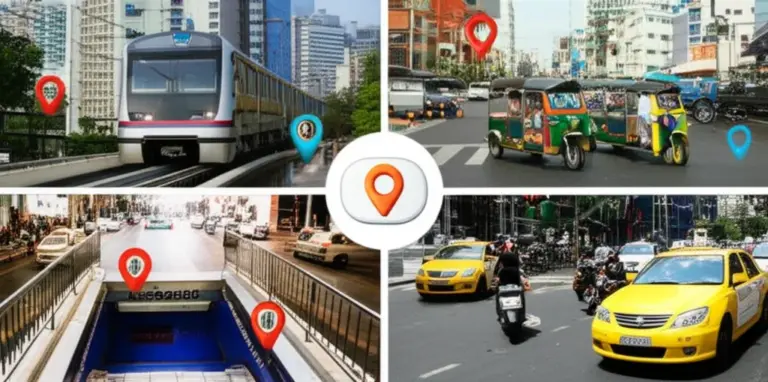
While a map of specific transport routes might be too detailed for a general guide, here’s a general map placeholder for context.
Navigating the vibrant cities of Bangkok and Chiang Mai is an integral part of the Thailand tourism experience. With a solid understanding of the available transport options – from the efficient Skytrain and MRT to the adventurous tuk-tuks and convenient ride-hailing apps – you’re well-equipped to explore these incredible destinations with confidence and ease. Embrace the journey, and enjoy every moment of your Thai adventure!
คำถามที่พบบ่อย (FAQ)
References
- Bangkok Transportation Guide | How To Get Around Thailand
- Getting Around Chiang Mai – Transportation in Northern Thailand
- How to get around in Chiang Mai – Transportation Methods
- How to Get Around Bangkok in 2025 – Complete BTS, MRT, and Airport Train Guide
- How to travel around Bangkok | Public Transport: MRT, BTS, TukTuk, Taxi and more
- How to Use Bangkok Public Transport Like a Local
- Chiang Mai Transportation: a Complete Guide to Getting Around the City
- The Cheapest Transport in Chiang Mai – THAILAND
- Getting Around Thailand: The Complete Guide to Transportation Options for Tourists and Expats
- How to Choose the Best Transport Mode in Thailand: Comparing Trains, Buses, Planes, and Boats for Cost, Comfort, and Time
- Long-Distance Travel Explained: Overnight Trains, VIP Buses, Domestic Flights, and Scenic Routes for Island Hopping