How much deposit should you expect, deposit payment methods, and tips to avoid unfair holds
Navigating the financial landscape of international travel can be daunting, especially when it comes to the logistics of security deposits in Thailand. Whether you are checking into a luxury resort in Phuket, renting a sleek scooter in Chiang Mai, or hiring a car for a road trip across Isan, understanding the local norms regarding deposits is essential for a stress-free holiday. This guide provides a comprehensive breakdown of what to expect, how to pay, and how to protect your funds from unnecessary holds.
Typical Deposit Amounts in Thailand Tourism
The amount required for security deposits in Thailand varies significantly depending on the service. Hotels usually base their deposit on the length of stay or a fixed rate per night, while vehicle rentals depend on the value of the asset.
| Service Category | Estimated Deposit Amount (THB) | Basis of Calculation |
|---|---|---|
| Budget Hotels/Guesthouses | 500 – 1,000 THB | Flat fee per stay |
| Mid-range to Luxury Hotels | 1,000 – 3,000 THB | Per night or per stay |
| Motorbike Rentals | 1,000 – 5,000 THB | Based on bike model |
| Car Rentals (Local) | 5,000 – 10,000 THB | Flat fee |
| Car Rentals (International Brands) | 10,000 – 30,000 THB | Credit card pre-authorization |
For high-end accommodations, the deposit often covers potential incidental charges like room service, mini-bar usage, or spa treatments. It is common for 5-star establishments to request a deposit equal to the total room rate plus an additional 1,000 THB per night.
Common Deposit Payment Methods
Understanding how you pay is just as important as how much you pay. Different methods have different implications for your cash flow during your trip.
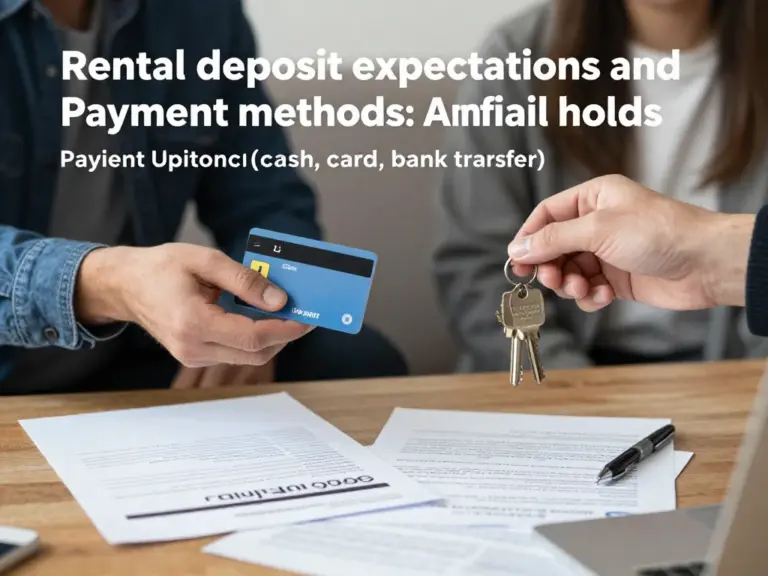
- Credit Card (Pre-authorization): This is the most common method for hotels and car rentals. The merchant “blocks” a specific amount. While the money doesn’t leave your account immediately, it reduces your available credit limit.
- Cash: Frequently used for motorbike rentals and smaller guesthouses. While it keeps your credit line free, it ties up your physical Thai Baht, which could be used for shopping or dining.
- Debit Cards: Generally discouraged for deposits. Unlike credit cards, a debit card hold actually withdraws the funds from your bank account, and the refund process can take up to 30 days depending on your home bank.
Tips to Avoid Unfair Holds and Disputes
To ensure you get your full deposit back without a headache, follow these expert strategies used by seasoned travelers in Thailand.
1. Document Everything Upon Arrival
Whether it’s a hotel room or a rental car, take high-resolution photos and videos of the condition of the item before you take possession. Focus on existing scratches, stains, or mechanical issues. Ensure the staff sees you doing this; it acts as a deterrent for unfair claims later.
2. Request a Signed Receipt
Never hand over cash without a written receipt that clearly states the date, the amount in THB, the reason for the deposit, and a signature from the authorized staff member. For credit card holds, ask for the “void” or “release” slip upon checkout.
3. Understand the “Hold” Timeline
Credit card holds are not processed by the merchant instantly upon your departure. They are released by the merchant, but your bank may take 7 to 14 business days to reflect this in your available balance. If the hold persists after two weeks, contact your bank with the release slip provided by the Thai business.
Dealing with Deposit Disputes
If a vendor refuses to return your deposit for reasons you believe are unfair, remain calm. Aggression is rarely effective in Thai culture. Instead, present your photographic evidence. If the situation remains unresolved, you can contact the Tourist Police by dialing 1155. They are specifically trained to handle disputes between tourists and local businesses.
คำถามที่พบบ่อย (FAQ)
Here are the most common questions regarding security deposits in Thailand to help you prepare for your journey.
คำถามที่พบบ่อย (FAQ)
Can I use my passport as a deposit instead of cash?
While some small motorbike rental shops may ask for your physical passport, it is strongly recommended that you **never** leave your passport as collateral. It is your only legal identification. Offer a cash deposit or a photocopy of your passport instead.
How long does it take for a credit card hold to be released?
Typically, the merchant releases the hold immediately upon checkout, but it can take 7–21 days for your international bank to process the release and update your available credit limit.
Is it better to pay the deposit in cash or by credit card?
For large amounts (hotels/cars), credit cards are safer as they offer consumer protection. For small amounts (scooters), cash is often easier to manage and ensures you get your money back the moment you return the vehicle.
What should I do if a hotel claims I damaged something I didn’t?
Show them the time-stamped photos you took during check-in. If they persist and the amount is significant, inform them you will contact the Tourist Police (1155) to mediate the situation.
References
- Tourism Authority of Thailand (TAT) Official Website
- Thailand Travel Guide: Money and Banking
- Thailand Tourist Police Bureau
- Renting a motorbike in Thailand: essential licenses, deposits, and safety checks you must know
- What licenses and documents are legally required (and accepted) for tourists renting a motorbike in Thailand
- Pre-rental safety checklist: bike inspection, helmet quality, insurance, and test-ride best practices