What to expect at a beach clean-up and waste-sorting workshop: schedule, tools, safety, and hands-on sorting techniques
- What to expect at a beach clean-up and waste-sorting workshop: schedule, tools, safety, and hands-on sorting techniques
Thailand, renowned for its pristine beaches and crystal-clear waters, attracts millions of tourists annually. However, this popularity comes with a significant environmental challenge: marine plastic pollution. Participating in a beach clean-up and waste-sorting workshop offers a unique opportunity for visitors to give back to the beautiful country they enjoy. These workshops are not just about picking up trash; they are comprehensive, educational experiences designed to foster environmental awareness and equip participants with practical skills in waste management. This guide will walk you through what to expect, from the daily schedule and essential tools to crucial safety measures and effective hands-on sorting techniques, ensuring you’re fully prepared for a meaningful contribution.
Why Participate in a Beach Clean-Up in Thailand?
Beyond the immediate visual improvement of a cleaner beach, these workshops offer profound benefits for both the environment and participants. It’s an immersive way to connect with Thailand’s natural heritage and its communities.
Protecting Thailand’s Natural Beauty
Marine debris, particularly plastic, threatens Thailand’s delicate ecosystems. It harms marine life, degrades coral reefs, and impacts the aesthetic appeal of tourist destinations. Your participation directly contributes to removing this harmful waste, helping to preserve the stunning landscapes that draw so many to this tropical paradise.
Contributing to Sustainable Tourism
Sustainable tourism is about minimizing negative impacts while maximizing positive ones. By joining a clean-up, you become an active participant in responsible tourism, setting an example and supporting local efforts to maintain environmental integrity. This type of engagement is increasingly valued by destinations striving for long-term ecological health.
A Unique Cultural and Educational Experience
These workshops often involve collaboration with local communities and environmental organizations. You’ll gain insights into local conservation challenges, learn about traditional waste management practices, and understand the broader context of marine pollution from a Thai perspective. It’s an enriching experience that goes far beyond typical sightseeing.
The Workshop Schedule: A Day of Impact
While specific schedules may vary, a typical beach clean-up and waste-sorting workshop day is structured to maximize efficiency and learning.
Morning Briefing and Welcome
The day usually begins with a warm welcome and an introductory briefing. Organizers will outline the day’s objectives, discuss the specific beach area to be cleaned, and provide a brief overview of local environmental issues. This is also when safety guidelines are emphasized, and teams might be formed.
The Beach Clean-Up Session
This is the main event! Participants will spread out across the designated beach area, systematically collecting litter. Depending on the organization, data might be collected on the types and quantities of waste found, contributing to broader scientific research on marine pollution.
Lunch and Refreshments
A well-deserved break will be provided, often with local, sustainable food options. This is a great opportunity to socialize with fellow volunteers and share experiences.
Waste-Sorting Workshop
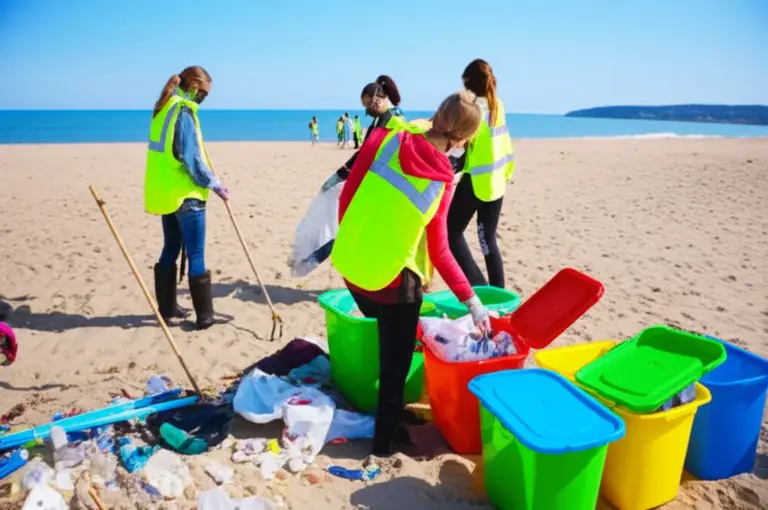
After the clean-up, the collected waste is brought to a central sorting station. Here, experts will guide you through the process of separating different materials. This hands-on session is crucial for understanding the principles of recycling and proper waste disposal, which is a core component of any effective beach clean-up and waste-sorting workshop.
Debrief and Next Steps
The day concludes with a debriefing session where the day’s achievements are celebrated, and the total amount of collected waste is often announced. Organizers might discuss the next steps for the sorted waste and provide information on how participants can continue their conservation efforts.
Essential Tools for Your Clean-Up Effort
Most workshops provide necessary equipment, but knowing what to bring yourself can enhance your experience.
Provided Equipment
Typically, organizers will supply:
- Gloves: Essential for hygiene and protection from sharp objects.
- Trash bags: Durable bags for collecting various types of waste.
- Hand sanitiser: For cleaning hands after handling waste.
- First-aid kit: For minor injuries.
What to Bring Yourself
To ensure maximum comfort and safety, consider bringing:
- Reusable water bottle: Stay hydrated without contributing to plastic waste.
- Hat and sunglasses: Protection from the strong Thai sun.
- Sunscreen: Apply generously and frequently.
- Closed-toe shoes: Essential for navigating uneven terrain and protecting feet from sharp objects. Avoid sandals.
- Lightweight, breathable clothing: Long sleeves and pants are recommended for sun and insect protection.
- Insect repellent: Especially if the clean-up is near vegetation.
- Small backpack: To carry your personal items.
Safety First: Ensuring a Secure Experience
Your well-being is paramount. Organizers will provide detailed safety briefings, but it’s good to be aware of general precautions.
Health and Hygiene Guidelines
Always wear gloves when handling waste. Avoid touching your face, especially your eyes and mouth, before washing your hands thoroughly. If you encounter any hazardous waste (e.g., medical waste, chemicals), do not touch it; report it immediately to an organizer.
Environmental Awareness
Be mindful of your surroundings. Avoid disturbing local wildlife, especially nesting birds or marine creatures. Stick to designated clean-up areas and follow all instructions from the workshop leaders.
Emergency Procedures
Familiarize yourself with the emergency contact information and procedures provided by the organizers. Know where the first-aid station is located and who to contact in case of an accident or medical emergency.
Hands-On Waste Sorting Techniques
The waste-sorting workshop is where the real educational value shines. You’ll learn practical skills that can be applied anywhere.
Understanding Different Waste Types
Waste is generally categorized into several types for sorting:
| Waste Type | Examples | Sorting Notes |
|---|---|---|
| Plastics (PET, HDPE, PP, etc.) | Bottles, bags, food containers, fishing gear | Separate by type if possible; rinse if food-contaminated. |
| Glass | Bottles, jars, broken glass | Handle with extreme care; separate by color if instructed. |
| Metals | Aluminum cans, tin cans, scrap metal | Crush cans to save space. |
| Organic Waste | Leaves, wood, food scraps (rare on beaches) | Compostable; keep separate from recyclables. |
| General/Non-recyclable Waste | Styrofoam, dirty plastics, mixed materials | Last resort; designated for landfill or incineration. |
The Importance of Proper Segregation
Effective recycling relies heavily on proper segregation at the source. Contaminated recyclables (e.g., plastic bottles with food residue) can render an entire batch unusable. The workshop will teach you how to identify different plastic types by their resin codes (the numbers inside the recycling triangle) and the best practices for preparing materials for recycling.
Practical Sorting Tips
- Rinse if possible: For food-contaminated plastics or glass.
- Remove lids: Often made of different plastic types.
- Flatten items: Cardboard, plastic bottles, and cans to save space.
- Be aware of composite materials: Items like coffee cups (paper + plastic lining) or snack wrappers are often difficult to recycle.
- Listen to the experts: Local recycling infrastructure can vary, so follow specific instructions given at the workshop.
Here’s a look at a real-world beach clean-up in action:
Making a Lasting Impact: Beyond the Workshop
Your participation in a beach clean-up and waste-sorting workshop is just the beginning. The knowledge and experience gained can inspire long-term changes in your daily life.
Reducing Your Own Footprint
Apply the ‘Reduce, Reuse, Recycle’ principles to your own consumption. Opt for reusable bags, water bottles, and coffee cups. Choose products with minimal packaging and support businesses committed to sustainability.
Spreading Awareness
Share your experience with friends, family, and on social media. Educate others about the importance of marine conservation and responsible tourism. Your story can inspire others to get involved or change their habits.
Future Opportunities
Many organizations offer ongoing clean-up events or longer-term volunteer programs. If you enjoyed the workshop, look for opportunities to participate again or join similar initiatives in your home country.
คำถามที่พบบ่อย (FAQ)
Here are some frequently asked questions about participating in a beach clean-up and waste-sorting workshop in Thailand.
Q1: Do I need any prior experience to join a workshop?
No, absolutely not! These workshops are designed for participants of all experience levels. Organizers provide all necessary instructions and guidance. Your enthusiasm and willingness to help are the most important qualifications.
Q2: Are these workshops suitable for children or families?
Many organizations offer family-friendly clean-up events. It’s a fantastic way to teach children about environmental responsibility. However, always check with the specific workshop organizer regarding age restrictions or recommendations, especially concerning safety during the clean-up and sorting activities.
Q3: How long do these workshops typically last?
A typical beach clean-up and waste-sorting workshop can range from a half-day (3-4 hours) to a full day (6-8 hours), including briefings, the clean-up itself, sorting, and debriefing. Some multi-day programs might also be available for a deeper dive into conservation efforts.
Q4: What kind of impact does one workshop make?
Every piece of trash removed from the beach is a victory for the environment. While one workshop might not solve the entire problem, it significantly contributes to local conservation, raises awareness, and prevents countless pieces of plastic from harming marine life. Collectively, these efforts create a substantial positive impact.
Participating in a beach clean-up and waste-sorting workshop in Thailand is more than just an activity; it’s an investment in the future of our planet and a memorable part of your travel experience. By understanding the schedule, preparing with the right tools, prioritizing safety, and mastering sorting techniques, you’ll be ready to make a tangible difference and leave Thailand even more beautiful than you found it. Join the movement towards a cleaner, more sustainable future!
References
- UNEP: Marine Plastic Debris and Microplastics
- Tourism Authority of Thailand (TAT)
- Ocean Conservancy: Trash Free Seas
- Volunteer beach clean-up in Phuket with a waste-sorting workshop: How to join, what to expect, and why it matters
- Why volunteer beach clean-ups matter in Phuket: environmental impact, community benefits, and who should participate
- How to find and choose the right Phuket clean-up event: reputable organizers, dates, costs, and registration tips