What is the Gibbon Experience? Origins, conservation goals, and what to expect from treetop immersion stays
- What is the Gibbon Experience? Origins, conservation goals, and what to expect from treetop immersion stays
For travelers exploring the wonders of Thailand, the ultimate cross-border adventure often lies just a short distance away in the pristine jungles of Laos. The **Gibbon Experience** is a unique, tourism-based conservation project that has captured the imagination of eco-adventurers worldwide. It offers a chance to live out a childhood fantasy—sleeping in the world’s highest treehouses and **ziplining** through the canopy—all while funding vital forest protection. This article will delve into the project’s fascinating origins, its serious conservation goals, and provide a comprehensive guide on what an immersion stay entails for the curious Thailand tourist looking for an unforgettable detour.
The Genesis of the Gibbon Experience: A Conservation-First Model
The origins of the **Gibbon Experience** are rooted in a necessity to protect one of Southeast Asia’s most threatened ecosystems. Established in 1996 in what is now the Nam Kan National Park in Bokeo Province, Laos, the project was conceived by a French adventurer with a radical idea: to use tourism as a shield against deforestation and poaching. The primary threats to the region were illegal logging, slash-and-burn farming, and the hunting of endangered species, particularly the black-crested gibbon.
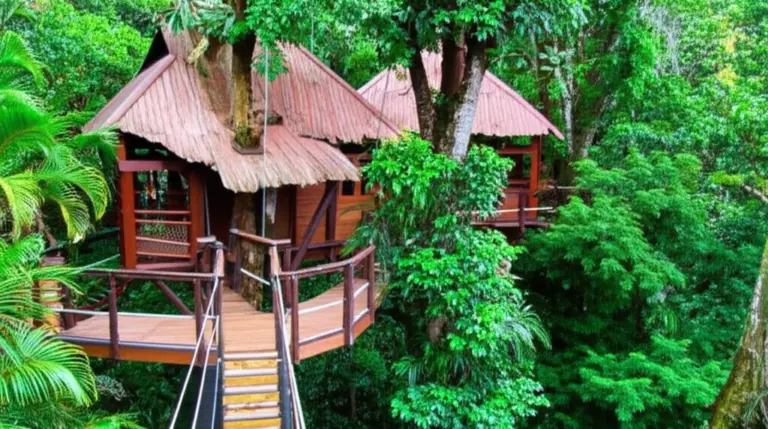
The innovative solution was to create a sustainable economy where the forest was more valuable standing than cut down. By building giant treehouses—some soaring over 40 meters high—and connecting them with an extensive network of ziplines, the project ensured the trees could not be felled. Crucially, the local community, including many former hunters, were hired and trained as guides, treehouse builders, and forest rangers, turning them into the primary protectors of the very forest they once exploited. This model is a powerful example of ecotourism directly empowering local livelihoods and conservation.
Conservation Goals: Protecting Nam Kan National Park
At its heart, the Gibbon Experience is not just an adventure park; it is a critical conservation initiative. Its ultimate success is measured not by tourist numbers but by the health of the 1,360 square kilometer Nam Kan National Park, which was officially established in 2008 thanks in large part to the project’s efforts. The funds generated by the treetop stays are wholly reinvested into the park’s protection and community support.
- **Forest Patrols:** Funding teams of local rangers who conduct regular patrols to prevent illegal logging and poaching.
- **Reforestation & Sustainable Agriculture:** Implementing programs to reforest degraded areas and support local villages in developing sustainable farming practices that reduce pressure on the national park.
- **Community Livelihood:** Providing stable, well-paid employment for hundreds of local people, giving them a direct stake in the forest’s preservation.
- **Wildlife Protection:** Creating a safe haven for endangered species, including the black-crested gibbon, which is the project’s namesake and symbol.
What to Expect: The Treetop Immersion Stay
The experience is an unparalleled immersion in the jungle canopy. Visitors typically choose between three main options—Classic, Waterfall, or Express—ranging from two to three days. The adventure begins with a trek into the forest, followed by the main event: accessing your accommodation via a series of exhilarating ziplines.
Life in the Canopy
The treehouses are architectural marvels, built high into the largest trees without harming them. They are basic but comfortable, featuring sleeping areas, a simple toilet, and sometimes a shower. The views are spectacular, offering a privileged, eye-level perspective of the forest that is usually reserved only for its inhabitants.
Ziplining and Trekking: The Daily Routine
Your primary mode of transport throughout the **Gibbon Experience** is the zipline. The network spans kilometers, allowing you to ‘fly’ between treehouses and trekking points. A reasonable level of fitness is essential, as the experience involves significant hiking, often on muddy or steep terrain, in addition to the thrill of the canopy ride. Safety is paramount, with professional guides and high-quality equipment provided for all tours.
Food and Logistics
Despite the remote location, you won’t go hungry. Meals are prepared by local staff and delivered directly to your treehouse, often via zipline! Expect simple, delicious Lao cuisine. It is crucial to pack light, bringing only essentials like a headlamp, good walking shoes, and mosquito repellent. Be prepared for a complete digital detox; there is no Wi-Fi, allowing for a true reconnection with nature.
While the name suggests guaranteed sightings, observing the highly endangered gibbons is a matter of luck. They are wild and elusive, but waking up to their characteristic calls echoing through the misty valley is an unforgettable reward in itself. The real magic of the **Gibbon Experience** is the deep sense of peace and the knowledge that your adventure directly contributes to the survival of this magnificent forest.
Location for Thailand Travelers
The Gibbon Experience is located in Nam Kan National Park, Laos. The gateway town is Huay Xai, which is directly across the Mekong River from Chiang Khong in Thailand. Travelers can easily take a bus from Chiang Mai or Chiang Rai to Chiang Khong, cross the border, and begin their adventure from the Gibbon Experience office in Huay Xai.
Conclusion: An Essential Eco-Adventure
For the discerning tourist exploring Thailand, the **Gibbon Experience** offers more than just a thrilling detour; it provides a profound connection to the wider Southeast Asian ecological landscape. It is a shining example of how responsible tourism can be the most effective tool for conservation, transforming threatened wilderness into a vital source of local income and global inspiration. It is a challenging, rewarding, and essential item for any ethical adventurer’s bucket list.
คำถามที่พบบ่อย (FAQ)
References
- Official Gibbon Experience Website
- Laos Ecotourism and Conservation Projects
- Bokeo Province Travel Information
- The Gibbon Experience and Canopy Walkways: Immersive Treetop Conservation Stays That Support Wildlife and Local Communities
- How canopy walkways work: design, safety, wildlife viewing, and best seasons for gibbon encounters
- Community-based conservation and sustainable tourism: how stays fund reforestation, anti-poaching, and local livelihoods