On-Trail Practices: How to Hike Sustainably — Trail Etiquette, Waste Management, and Minimizing Campfire Impact
- On-Trail Practices: How to Hike Sustainably — Trail Etiquette, Waste Management, and Minimizing Campfire Impact
- The Foundation of Responsible Trekking: Understanding LNT Principles
- Mastering Trail Etiquette: Sharing the Path Respectfully
- Effective Waste Management: Pack It In, Pack It Out (PIPO)
- Minimizing Campfire Impact: A Practice of Caution
- Campsite Selection and Protection
- Conclusion: Being a Steward of Thai Wilderness
- คำถามที่พบบ่อย (FAQ)
Thailand, with its lush national parks, towering limestone karsts, and pristine jungle trails, offers unparalleled trekking experiences. However, the increasing popularity of these natural treasures demands a collective commitment to preservation. Understanding and practicing How to Hike Sustainably is not just a suggestion; it is a necessity for preserving these environments for future generations of travelers. This guide outlines the core principles of responsible outdoor stewardship, focusing on trail etiquette, rigorous waste management, and minimizing the impact of campfires in Thailand’s sensitive ecosystems.
The Foundation of Responsible Trekking: Understanding LNT Principles
The ‘Leave No Trace’ (LNT) principles form the global backbone of sustainable outdoor recreation. While originating in the US, these seven tenets apply universally, especially in high-traffic areas like Doi Inthanon or the trails around Krabi. Adopting these practices ensures your adventure leaves only footprints, and even those should fade quickly. Key LNT principles include planning ahead, traveling on durable surfaces, disposing of waste properly, and respecting wildlife.
Planning Ahead and Preparing for Thai Trails
Preparation is the first step to sustainability. In Thailand, this means researching local regulations—some parks restrict access during monsoon seasons to prevent erosion. Always carry appropriate gear, including sufficient water purification methods, as relying on single-use plastic bottles is the antithesis of sustainable travel. Know the weather, understand the trail difficulty, and inform local guides or park officials of your itinerary. This proactive approach minimizes the risk of emergencies that strain local resources.
Mastering Trail Etiquette: Sharing the Path Respectfully
Trail etiquette is crucial for maintaining a positive atmosphere and reducing environmental stress on narrow paths. When you are exploring the jungles of Khao Sok or the hills of the North, adhering to established norms ensures harmony between hikers, local communities, and wildlife.
Uphill Traffic Has the Right of Way
This is a universal rule. Hikers ascending a slope are exerting more energy and momentum, making it difficult for them to stop and restart. If you are descending, step aside, pause briefly, and allow the uphill hiker to pass unimpeded. This simple courtesy prevents erosion caused by hikers stepping off the trail to avoid collisions.
Noise Control and Wildlife Disturbance
Keep voices low and avoid playing loud music. Excessive noise can stress local fauna, including macaques, hornbills, and monitor lizards common in Thai forests. Remember, you are a visitor in their home. Always maintain a respectful distance from wildlife; never feed animals, as this habituates them to humans, often leading to dangerous encounters later.
Effective Waste Management: Pack It In, Pack It Out (PIPO)
The most visible sign of unsustainable hiking is litter. Thailand’s national parks are struggling with plastic waste, which persists for centuries. The PIPO principle is non-negotiable: everything you carry in must come out with you. This includes food scraps, which are often mistakenly thought to decompose harmlessly.
What to Do with Human Waste
Human waste must be managed carefully, especially near water sources. For solid human waste, dig a ‘cathole’ 6 to 8 inches deep and at least 200 feet (about 70 big steps) away from water, trails, and campsites. Cover the hole completely after use. For toilet paper, pack it out in a sealed, designated bag. Never bury or burn toilet paper, as it does not decompose quickly in cool, damp soil.
Managing Food Scraps and Greywater
Even organic materials like fruit peels or nutshells take a very long time to break down in tropical forests, and they can attract wildlife to human areas. Pack out all food waste. Greywater (water used for washing dishes or hands) should be strained to remove food particles, and the water scattered widely at least 200 feet from camp.
| Waste Type | Sustainable Disposal Method | Why? |
|---|---|---|
| Plastic Bottles/Wrappers | Pack out in dedicated trash bag. | Non-biodegradable; harms wildlife. |
| Human Feces | Cathole 200ft from water/trail. | Prevents water contamination and odor. |
| Food Scraps/Peels | Pack out with regular trash. | Attracts animals and disrupts natural diet. |
Minimizing Campfire Impact: A Practice of Caution
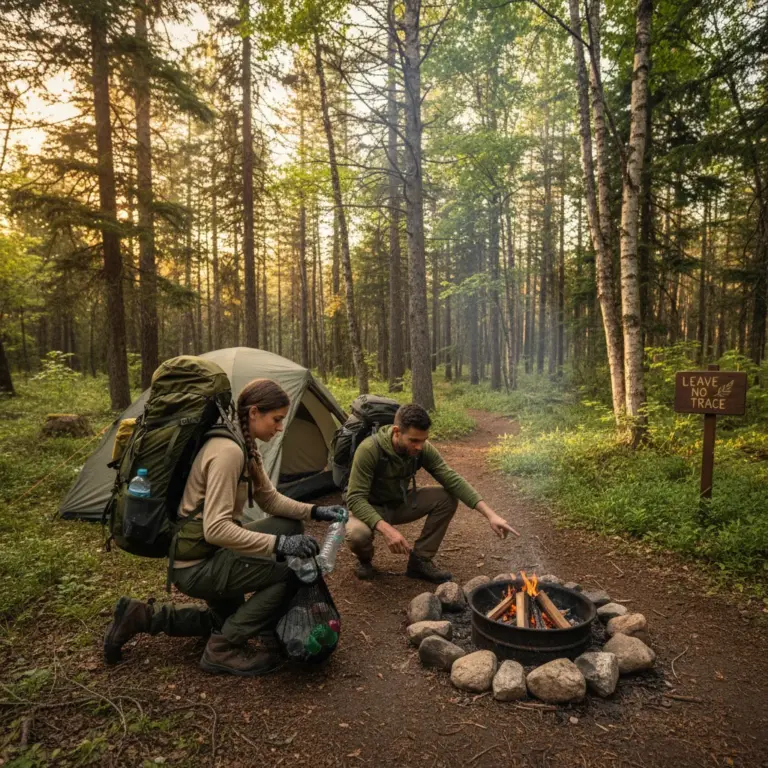
Campfires, while romantic, pose the single greatest risk to fragile forest environments, especially in the dry season. In many sensitive areas of Thailand, campfires are strictly prohibited. Understanding how to hike sustainably means challenging the necessity of fire and opting for safer alternatives.
When and Where to Build a Fire
If fires are explicitly permitted (check park regulations!), use existing fire rings. Never create a new ring. Keep fires small, manageable, and only use dead and downed wood that can be broken by hand. Never cut live trees or branches. In high-risk areas, use a lightweight backpacking stove for cooking instead. Stoves are faster, cleaner, and leave zero trace.
Extinguishing Fires Completely
If you must have a fire, ensure it is dead out. Douse it thoroughly with water, stir the ashes with a stick, and feel the coals with the back of your hand. If it is too hot to touch, it is too hot to leave. Always plan to have enough water reserved solely for extinguishing your fire safely. The risk of starting a devastating forest fire in Thailand far outweighs the benefit of a campfire.
To visualize the difference between well-maintained and neglected trails, watch this short guide on responsible trekking practices:
Campsite Selection and Protection
Choosing where you sleep impacts the ground cover and local habitat. When camping, select durable surfaces—established campsites, dry grasses, or rock slabs—rather than fragile moss beds or rare flowering plants. In popular areas, use existing tent sites to concentrate impact. When backpacking through less-traveled areas, disperse your impact by camping at least 200 feet from water sources and trails, as established by LNT guidelines.
Protecting Water Sources
Water is life in the jungle. Never wash dishes, bathe, or use soap or toothpaste within 200 feet of any stream, river, or standing water. Even biodegradable soaps harm aquatic life by altering water pH and introducing unnatural nutrients. Carry water in, use a filter, and dispose of greywater away from the source.
Conclusion: Being a Steward of Thai Wilderness
Mastering How to Hike Sustainably is a journey of continuous learning and mindful action. From the humid jungles of the South to the cool mountain peaks of the North, responsible hiking ensures that the breathtaking beauty of Thailand’s natural heritage remains intact. By diligently following trail etiquette, rigorously managing waste, and respecting the need to limit fire impact, every traveler becomes a custodian of these irreplaceable landscapes. Let your journey be one of minimal impact and maximum respect.
คำถามที่พบบ่อย (FAQ)
| Question | Answer |
|---|---|
| Are campfires always allowed in Thai National Parks? | No. Campfires are often strictly prohibited due to high fire risk, especially during the dry season. Always check current park regulations before planning to build one. |
| What is the best way to dispose of food scraps in Thailand? | The best practice is to pack out all food scraps (including peels and cores) in a sealed bag, as organic waste takes a long time to decompose in tropical climates and attracts wildlife. |
| If I must use the bathroom off-trail, how far from water should I dig a cathole? | You should dig a cathole 6 to 8 inches deep at least 200 feet (approximately 70 large steps) away from all water sources, trails, and campsites to prevent contamination. |
| What should I do if I encounter a large group coming up the trail? | As the descending hiker, you should step aside onto the uphill side of the trail (if safe) and wait patiently for the entire ascending group to pass before continuing your descent. |
References
Department of National Parks, Wildlife and Plant Conservation (DNP) Official Site
The Seven Principles of Leave No Trace
- Nakhon Si Thammarat Headwater National Parks: Complete Leave No Trace Guide for Responsible Trekking and Camping
- Planning Your Trip: Best Seasons, Access Points, Permits, and Local Regulations for Nakhon Si Thammarat headwaters
- Low-Impact Camping Techniques: Leave No Trace Gear, Campsite Selection, and Safe Food Storage in Tropical Forests