Responsible Activities and Alternatives: What Truly Benefits Elephants (No Riding, Enrichment, Observation)
For decades, the image of a majestic elephant carrying tourists through the lush jungles of Thailand was the pinnacle of the Southeast Asian travel experience. However, as our understanding of animal welfare, biology, and the psychological needs of these sentient giants has evolved, so too has the travel industry. Today, the focus has shifted toward Responsible Activities and Alternatives that prioritize the well-being of the elephant over the entertainment of the visitor. Choosing ethical encounters isn’t just a trend; it’s a vital contribution to the survival and dignity of Asia’s most iconic species.
The Shift Away from Elephant Riding
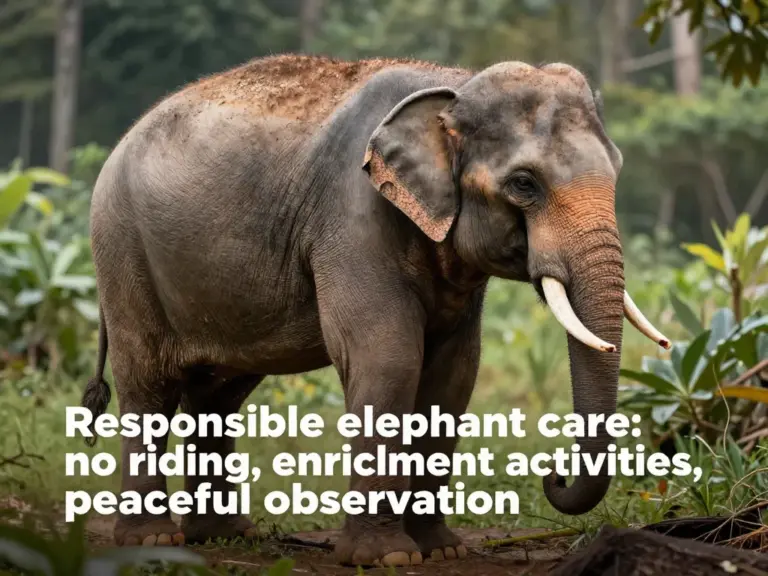
The most significant change in Thailand tourism is the growing consensus against elephant riding. While elephants are incredibly strong, their spines are not designed to carry the weight of heavy ‘howdah’ (chairs) and multiple humans daily. Beyond the physical strain, the process of ‘breaking’ an elephant to make it submissive enough to ride often involves methods that cause significant trauma. By choosing Responsible Activities and Alternatives, travelers are sending a clear message to the industry: welfare comes first.
Observation: The Beauty of Natural Behavior
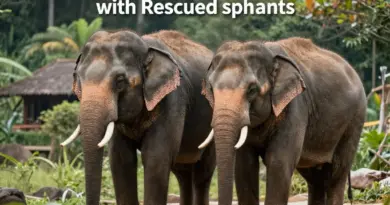
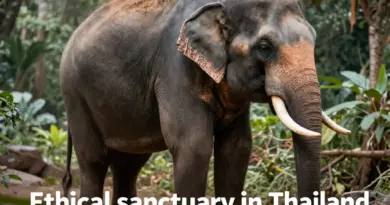
The highest standard of ethical tourism is the ‘observation-only’ model. In these sanctuaries, visitors watch from a distance as elephants roam, forage, and socialize in their natural habitat. This approach allows elephants to express their natural behaviors without the stress of constant human interaction. It offers a far more profound experience for the traveler, as you witness the complex social structures and genuine emotions of these animals. Watching a calf play with its mother without human interference is a memory that far surpasses any ride.
Enrichment: Stimulating the Mind and Body
For elephants in captive environments, enrichment is crucial for their mental health. Responsible sanctuaries implement enrichment programs where elephants must ‘work’ for their food, much like they would in the wild. This might involve hiding treats inside logs or hanging food high up to encourage stretching. Visitors can often participate in preparing these enrichment activities, providing a way to contribute to the animals’ health without direct physical contact. This is a core part of Responsible Activities and Alternatives that truly benefits the animal.
| Activity | Benefit to Elephant | Visitor Experience |
|---|---|---|
| Observation | Zero stress, natural social life | Authentic wildlife viewing |
| Enrichment Prep | Mental stimulation, foraging skills | Educational and hands-on |
| Walking with Elephants | Physical exercise in nature | Immersive jungle experience |
Supporting Local Communities and Conservation
Truly responsible tourism also supports the people who care for these animals. Ethical sanctuaries often employ local mahouts (elephant keepers) and provide them with fair wages and better working conditions. Furthermore, your entrance fees often go directly toward the high costs of food, veterinary care, and land acquisition for the elephants. When you choose Responsible Activities and Alternatives, you are supporting a sustainable ecosystem that protects both the animals and the local culture.
คำถามที่พบบ่อย (FAQ)
Q: Why is elephant riding considered harmful?
A: It causes physical spinal damage and often involves cruel training methods to ensure the elephant is submissive to humans.
Q: What are the best alternatives to riding?
A: The best alternatives include observing elephants from a distance, walking with them through the forest, and assisting in preparing their food or enrichment activities.
Q: How can I tell if a sanctuary is truly ethical?
A: Look for sanctuaries that do not offer riding, shows, or bathing with elephants, and instead prioritize natural behavior and limited human interaction.
References
World Animal Protection – Elephant Welfare
Save Elephant Foundation Thailand