What Are Chiang Mai Alms Giving and Loy Krathong? Understanding Their Cultural Meaning
Chiang Mai is not just a destination for coffee shops and mountain trekking; it is the beating heart of Lanna culture. For many travelers, witnessing the spiritual traditions of Chiang Mai Alms Giving and Loy Krathong is a profound experience that offers a glimpse into the soul of Northern Thailand. These two distinct practices—one a daily act of devotion, the other a spectacular annual celebration—anchor the community in gratitude, merit-making, and spiritual reflection.
Understanding these traditions requires looking beyond the surface. It is about recognizing the rhythm of life in Chiang Mai, where ancient beliefs seamlessly blend with modern travel experiences. Whether you are planning your itinerary or reflecting on a past journey, understanding the cultural meaning behind these practices will deepen your appreciation for Thai heritage.
The Sacred Morning: Understanding Alms Giving in Chiang Mai
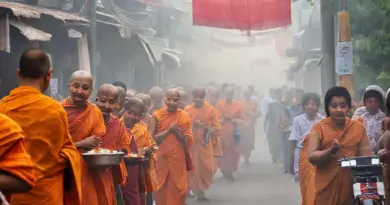
The practice of Tak Bat, or morning alms giving, is a cornerstone of Buddhist life in Thailand. Every morning, as the sun begins to crest over the Doi Suthep mountain, monks and novices walk barefoot through the streets of Chiang Mai. This is not a request for charity; it is a ritual of merit-making.
By offering food, laypeople gain spiritual merit, which is believed to improve their karma and future well-being. For the monks, the daily alms round is a practice of humility and connection with the community. Watching this silent, disciplined procession in the quiet alleys of the Old City is a meditative experience that sets a respectful tone for the rest of your day.
The Magic of Loy Krathong and Yi Peng
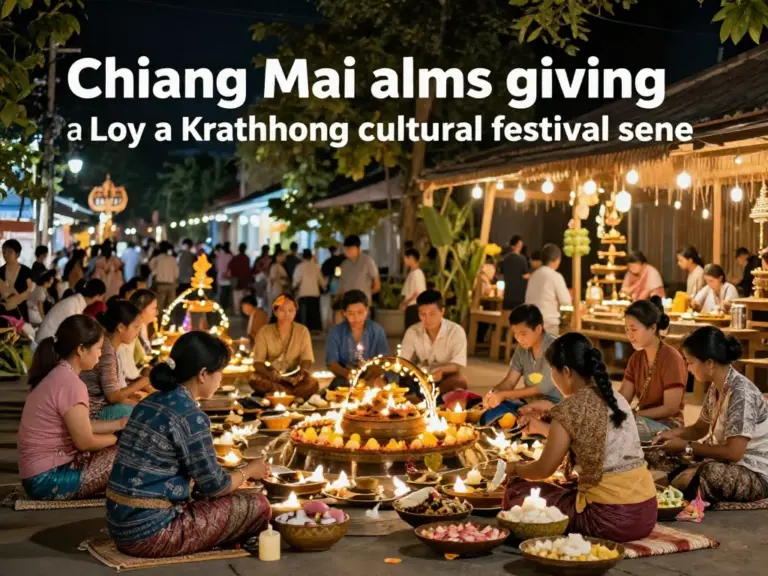
While many know the general festival of Loy Krathong, Chiang Mai offers a unique variation known as Yi Peng. While Loy Krathong is celebrated nationwide—involving the floating of lotus-shaped baskets (krathongs) on water to pay respect to the goddess of water and wash away negativity—Yi Peng is the Northern Thai tradition of releasing illuminated sky lanterns.
The visual spectacle of thousands of lanterns drifting into the night sky creates a mesmerizing atmosphere. However, the cultural meaning goes deeper. Releasing the lantern is a symbolic act of letting go of past misfortunes, anger, and regrets. It is a collective moment of hope where the community aligns their intentions for a brighter future.
| Tradition | Primary Element | Key Meaning |
|---|---|---|
| Alms Giving | Food/Donations | Merit-making & Humility |
| Loy Krathong | Water/Lotus Basket | Gratitude to Water/Cleansing |
| Yi Peng | Sky Lantern | Letting go of negativity |
Why These Traditions Matter to Chiang Mai Tourism
For the modern traveler, Chiang Mai Alms Giving and Loy Krathong serve as bridges between cultures. They provide a space to slow down and observe a way of life that prioritizes mindfulness over speed. When tourism is approached with respect for these rituals, it fosters a deeper connection between visitors and the local Lanna community.
Participating in these events is not merely about taking photos; it is about witnessing the genuine faith and joy of the Thai people. It transforms a vacation into a meaningful cultural exchange.
คำถามที่พบบ่อย (FAQ)
Q: Is it disrespectful for tourists to watch Alms Giving in Chiang Mai?
A: No, it is not disrespectful, provided you observe from a distance, maintain silence, and do not interrupt the monks. Always dress modestly (covering shoulders and knees) as a sign of respect.
Q: What is the main difference between Loy Krathong and Yi Peng?
A: Loy Krathong is the nationwide festival of floating baskets on water. Yi Peng is the Northern Thai (Lanna) tradition of releasing sky lanterns, which happens at the same time.
Q: Can I participate in Alms Giving if I am not Buddhist?
A: Yes, anyone can participate in the act of giving. It is appreciated as a gesture of respect and goodwill toward the local community and the monastic order.