The Chiang Mai Alms Giving and Loy Krathong: How to Participate Respectfully
- The Chiang Mai Alms Giving and Loy Krathong: How to Participate Respectfully
- Understanding the Spiritual Heart of Chiang Mai: Alms Giving
- Loy Krathong and Yi Peng: A Celebration of Light and Gratitude
- Respectful Participation in Loy Krathong and Yi Peng
- คำถามที่พบบ่อย (FAQ)
- Q1: What is the best time to visit Chiang Mai for these festivals?
- Q2: Can I buy offerings for alms giving?
- Q3: Are sky lanterns (khom loy) safe for the environment?
- Q4: What should I wear when participating in these events?
- Q5: Is it necessary to pay for a spot to release lanterns during Yi Peng?
Chiang Mai, the cultural heart of Northern Thailand, offers a profound journey into the country’s rich spiritual and festive traditions. For those seeking authentic cultural immersion, understanding and respectfully participating in local customs is paramount. Among the most cherished experiences are the daily ritual of alms giving and the spectacular annual celebrations of Loy Krathong and Yi Peng. This guide provides essential insights into the Chiang Mai Alms Giving and Loy Krathong festivals, ensuring your participation is both meaningful and respectful, honoring the deep spiritual significance these events hold for the Thai people.
Understanding the Spiritual Heart of Chiang Mai: Alms Giving
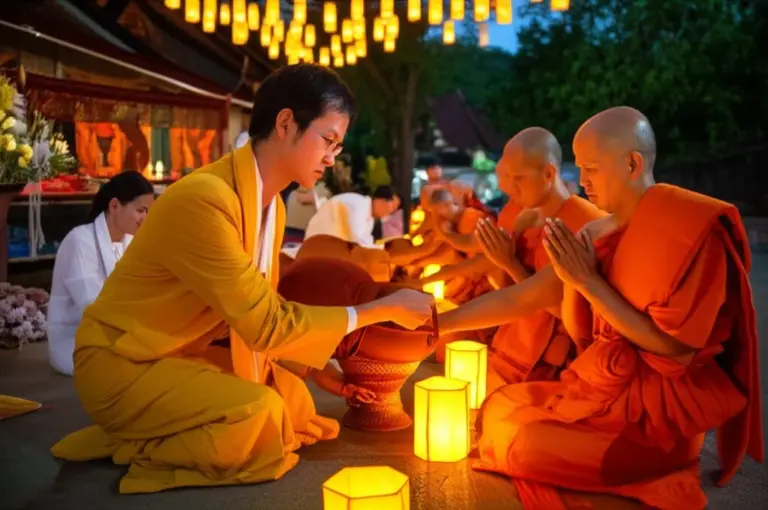
The practice of alms giving, known as ‘Tak Bat’ in Thai, is a cornerstone of Buddhist life in Thailand, particularly vibrant in Chiang Mai. This daily ritual, performed at dawn, involves devout Buddhists offering food and necessities to saffron-robed monks as they walk their morning rounds. It’s not merely a transaction but a deeply spiritual act of making merit, fostering humility, and expressing devotion to the monastic community. For visitors, observing or participating in Tak Bat offers a unique glimpse into the spiritual rhythm of Thai society. [3]
What is Alms Giving (Tak Bat)?
Alms giving is a reciprocal relationship between the lay community and the monastic order. Monks, forbidden from growing or preparing their own food, rely entirely on the generosity of the community for their sustenance. In return, they offer spiritual guidance, blessings, and the preservation of Buddhist teachings. This tradition dates back centuries and symbolizes the interdependence between monks and laypeople. [6]
The Significance of Offering Alms
For Thais, offering alms is a profound act of ‘merit-making’ (ทำบุญ – tham bun), which is believed to accumulate good karma for this life and future lives. It’s an expression of faith, gratitude, and a way to support the monastic community. It also represents a detachment from material possessions and a commitment to generosity. [4]
How to Participate in Alms Giving
If you wish to participate, it’s crucial to do so with the utmost respect and understanding of the tradition. The ceremony typically begins around 6:00 AM to 7:00 AM, just after sunrise, though timings can vary. Monks walk in single file, often led by the most senior monk, carrying their alms bowls. [3]
Etiquette and Dress Code:
- Dress modestly: Shoulders and knees must be covered. For women, it’s particularly important to avoid physical contact with monks. [5]
- Remove your shoes if you are kneeling on the ground to offer alms.
- Maintain silence and a respectful demeanor. Avoid loud talking or disruptive behavior.
Preparing Offerings:
- Offerings are typically cooked food, rice, or fresh fruit. You can prepare these yourself or purchase pre-packaged alms sets from local markets or vendors near popular alms-giving spots. Be wary of tourist traps selling overpriced or inappropriate items. [5]
- Place the food directly into the monk’s alms bowl. For women, it is customary to place the offering on a cloth or mat, or have a man pass it to the monk. [6]
The Ceremony Itself:
- Wait patiently for the monks to approach. Kneel or sit respectfully on the ground.
- Once the offering is made, the monks may offer a short blessing. Bow your head in respect.
- Remember, this is a religious act, not a photo opportunity for personal gain. Be discreet if taking photos. [6]
Loy Krathong and Yi Peng: A Celebration of Light and Gratitude
The Chiang Mai Alms Giving and Loy Krathong festivals are often spoken of together due to their cultural prominence, though they are distinct. Loy Krathong, the ‘Festival of Lights’, usually falls on the full moon night of the 12th month in the traditional Thai lunar calendar (typically November). In Northern Thailand, particularly Chiang Mai, it coincides with the Lanna (Northern Thai) festival of Yi Peng, where thousands of sky lanterns are released into the night sky. The combined spectacle is truly breathtaking. [2]
Loy Krathong: Floating Away Troubles
Loy Krathong involves floating a ‘krathong’ – a small, beautifully decorated raft traditionally made from banana leaves, flowers, candles, and incense – onto a river, canal, or pond. This act symbolizes letting go of misfortunes, grudges, and bad luck from the past year, while also paying respect to the water spirits (Phra Mae Khongkha) and the Buddha. [2]
Yi Peng: The Sky Lantern Festival
Yi Peng is unique to Northern Thailand. During this festival, ‘khom loy’ (sky lanterns) are released, illuminating the night sky with thousands of flickering lights. This release symbolizes letting go of troubles and making wishes for good fortune in the coming year. The sight of countless lanterns ascending simultaneously creates an ethereal and unforgettable experience. [8]
The Symbolism Behind the Lights
Both festivals are deeply rooted in Buddhist beliefs, offering opportunities for reflection, gratitude, and renewal. The lights from the krathongs and lanterns are seen as offerings to the Buddha, illuminating the path to enlightenment and washing away impurities. They are a powerful visual representation of hope and new beginnings. [11]
Respectful Participation in Loy Krathong and Yi Peng
Participating in Loy Krathong and Yi Peng is an incredible privilege. To ensure your experience is respectful and positive, keep the following in mind:
Beyond the Festivals: Embracing Chiang Mai’s Culture
Chiang Mai’s cultural richness extends far beyond these two iconic events. Visitors are encouraged to explore its ancient temples, engage with local artisans, participate in cooking classes, and learn about the unique Lanna heritage. Immersing yourself in the local way of life, respecting customs, and contributing positively to the community will enhance your travel experience immeasurably.
To get a better sense of the atmosphere and scale of these incredible festivals, watch this video documenting the Loy Krathong and Yi Peng celebrations in Chiang Mai:
Chiang Mai is a city that invites deep cultural engagement. Whether you’re observing the quiet dignity of morning alms giving or witnessing the dazzling spectacle of Loy Krathong and Yi Peng, your respectful participation and understanding of these traditions will create memories that last a lifetime. Embrace the opportunity to connect with Thai culture on a profound level, and you will find your journey truly enriched.
คำถามที่พบบ่อย (FAQ)
References
- Joining the Traditional Loy Krathong Festival – Gin Aroy
- Alms Giving in Chiang Mai | Go Find Orient
- Engage in traditional Buddhist Almsgiving – Asia Tours
- Alms Giving in Chiang Mai | TravelStore
- Offering to Monks at Chiang Mai – North Thailand – Josadaik spoke
- Tips for Yi Peng & Loi Krathong Festivals in Chiang Mai – Backpack Me
- This is How to Celebrate Yee Peng and Loy Krathong in Chiang Mai – Miss Filatelista
- Quick Tips for First-Time Attendees at Thai Festivals – Joy Ann Intisuk
- The Best Ways To Celebrate Thailand’s Festival Of Lights, Loi Krathong – ASAI HOTELS
- Why these festivals matter: cultural significance and best times to visit Chiang Mai for alms giving and Loy Krathong
- Preparing respectfully: dress code, etiquette, and what to bring for morning alms giving and evening krathong ceremonies
- How to join ethically: choosing the right tour, interacting with monks and locals, and avoiding common tourist mistakes