Hands-on experiences and workshops: what visitors can expect, booking tips, and ethical tourism practices
Thailand is renowned for its vibrant culture, but the true essence of the Land of Smiles lies beyond the surface of its golden temples and white-sand beaches. For the modern traveler, hands-on experiences and workshops offer a profound way to connect with local traditions while supporting the communities that keep them alive. From the intricate art of fruit carving in Bangkok to traditional weaving in the northern hills, these immersive activities are transforming how visitors engage with Thai heritage.
What Visitors Can Expect from Thai Workshops
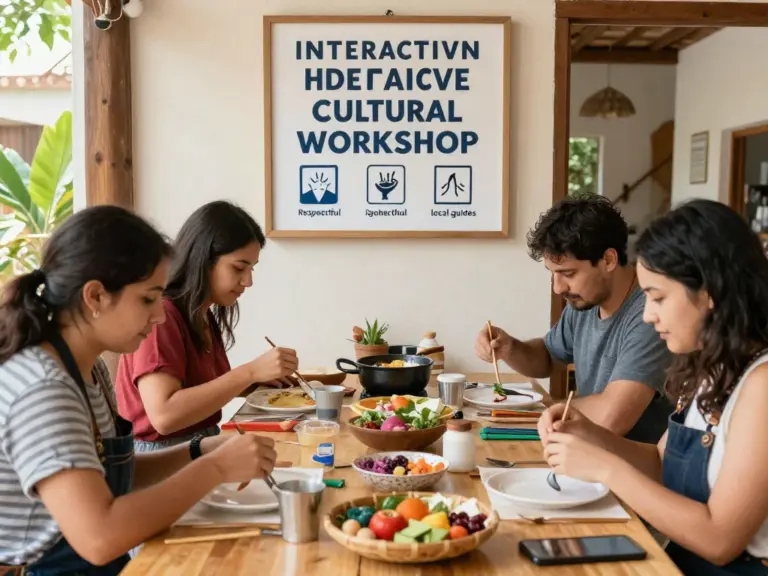
When you sign up for a workshop in Thailand, you are not just learning a skill; you are entering a classroom of living history. Most workshops are led by ‘Masters’ or local experts who have practiced their craft for decades. Visitors can expect a warm, hospitable environment where patience is key. Whether it is a half-day session or a week-long intensive, you will typically receive all necessary materials, a step-by-step demonstration, and a handmade souvenir to take home.
Popular options include:
- Thai Cooking Classes: Learn the balance of sweet, sour, salty, and spicy.
- Traditional Pottery: Visit Koh Kret to mold your own terracotta masterpieces.
- Muay Thai Training: Experience the physical and spiritual discipline of Thai kickboxing.
Essential Booking Tips for Hands-on Experiences
Securing the right experience requires a bit of foresight. High-demand workshops in cities like Chiang Mai or Bangkok can fill up weeks in advance, especially during the peak season (November to February). To ensure a smooth experience, follow these tips:
| Tip | Description |
|---|---|
| Book Directly | Whenever possible, book through the artisan’s website or social media to avoid high commission fees. |
| Check Group Sizes | Smaller groups (4-6 people) offer better interaction with the instructor. |
| Inquire About Language | Ensure the instructor speaks English or a translator is provided for technical crafts. |
Ethical Tourism Practices in Workshops
As tourism grows, the focus must shift toward sustainability. Ethical tourism in the context of workshops means respecting local customs and ensuring fair compensation. Avoid ‘human zoo’ style tours and instead seek out ‘Creative Tourism’ initiatives endorsed by local government bodies or reputable NGOs.
Key ethical considerations include:
- Fair Wages: Ensure the workshop price reflects the value of the teacher’s expertise.
- Cultural Sensitivity: Dress modestly (shoulders and knees covered) when visiting village-based workshops.
- Environmental Impact: Choose workshops that use natural dyes, recycled materials, or organic ingredients.
คำถามที่พบบ่อย (FAQ)
Q: Are these workshops suitable for children?
A: Yes, many workshops like umbrella painting or chocolate making are very family-friendly. Always check the age recommendation before booking.
Q: Do I need to bring my own equipment?
A: Generally, no. Most hands-on experiences and workshops provide all tools and raw materials required for the session.
Q: How do I know if a workshop is truly ethical?
A: Look for certifications from the Tourism Authority of Thailand (TAT) or read reviews that focus on how the business interacts with the local community.
References
Tourism Authority of Thailand Official Website
UNESCO Creative Cities Network – Craft and Folk Art
- Silk weaving and natural dye at Ban Tha Sawang Surin: A Complete Visitor’s Guide to Tradition, Techniques, and Cultural Experiences
- Why Ban Tha Sawang’s silk weaving matters: history, cultural significance, and what makes Surin silk unique
- How natural dyeing works at Ban Tha Sawang: plant-based dyes, color extraction, and seasonal dye sources