How to Choose a SIM or eSIM in Thailand: Prioritizing Speed for Calls, Data, and Streaming
- How to Choose a SIM or eSIM in Thailand: Prioritizing Speed for Calls, Data, and Streaming
- Introduction: Navigating Thailand’s Connectivity Landscape
- Understanding Your Options: Physical SIM vs. eSIM
- Key Factors for Prioritizing Speed and Performance
- Top Providers in Thailand for Tourists
- Practical Tips for Tourists
- Conclusion: Making the Right Choice for Your Thai Adventure
- คำถามที่พบบ่อย (FAQ)
Welcome to the Land of Smiles! As you plan your unforgettable adventure through Thailand, staying connected is paramount. Whether you’re navigating bustling Bangkok markets, sharing stunning Phuket beach photos, or streaming your favorite shows after a day of exploring ancient temples, reliable and speedy internet access is crucial. This guide will help you understand how to choose the perfect SIM or eSIM in Thailand, ensuring you prioritize speed for calls, data, and streaming throughout your trip.
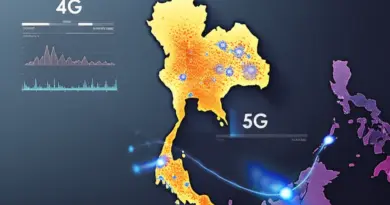
Thailand offers a highly developed mobile network infrastructure, with 4G and increasingly 5G coverage available in most tourist areas. For travelers, the primary decision boils down to whether to opt for a traditional physical SIM card or embrace the newer eSIM technology. Both have their advantages and disadvantages, especially when your priority is consistent speed for all your communication and entertainment needs. Let’s delve into the options to help you make an informed choice.
Understanding Your Options: Physical SIM vs. eSIM
Before you even land, familiarizing yourself with the core differences between a physical SIM and an eSIM will streamline your decision-making process. Each offers distinct benefits that might align better with your travel style and device capabilities.
Physical SIM Cards: The Traditional Choice
Physical SIM cards have been the standard for mobile connectivity for decades. They are small, removable plastic cards that you insert into your phone’s SIM tray. In Thailand, these are readily available and often come in ‘Tourist SIM’ packages specifically designed for short-term visitors.
Pros:
- Widely Available: You can purchase them at airports, convenience stores (7-Eleven, FamilyMart), and official carrier stores across Thailand.
- Easy Setup: For many, simply swapping out their home SIM for a Thai one is straightforward.
- Device Compatibility: Compatible with virtually all unlocked smartphones, including older models.
Cons:
- Physical Swap: Requires physically removing your home SIM, which can be lost or misplaced.
- Single Carrier: Typically limits you to one network provider at a time per SIM slot.
- Activation Process: May involve showing your passport for registration.
eSIMs: The Modern, Flexible Solution
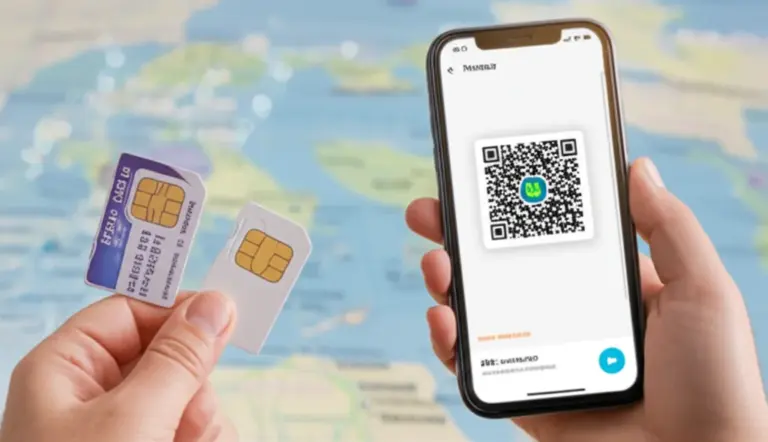
An eSIM (embedded SIM) is a digital SIM that allows you to activate a cellular plan from a carrier without needing a physical nano-SIM card. It’s built directly into compatible devices, offering greater flexibility and convenience, especially for frequent travelers.
Pros:
- Digital & Convenient: No physical card to swap or lose. Activation is often done via QR code or app.
- Multiple Profiles: Store several eSIM profiles on one device, allowing you to switch between plans easily.
- Dual SIM Functionality: Use your home SIM for calls/texts while your eSIM handles data in Thailand.
- Pre-arrival Setup: Purchase and activate your eSIM before you even land, ensuring instant connectivity.
Cons:
- Device Compatibility: Only newer smartphone models (iPhone XS/XR and later, many Android flagships) support eSIM.
- QR Code Reliance: Setup often requires scanning a QR code, which needs another screen or a printed version.
- Less Common for Immediate Purchase: While some local carriers offer them, third-party global eSIM providers are more common for tourists.
Key Factors for Prioritizing Speed and Performance
When your primary goal is speed for calls, data, and streaming, several factors come into play beyond just choosing between a physical SIM and an eSIM. Understanding these will help you pick the best plan and provider.
Network Coverage and Reliability
Thailand’s three major mobile network operators are AIS, TrueMove H, and Dtac. Each has its strengths and weaknesses regarding coverage, especially between urban centers and more remote areas.
| Provider | Strengths | Considerations |
|---|---|---|
| AIS | Widest 5G/4G coverage, excellent speeds, strong in urban and popular tourist areas. Often considered the premium choice. | Slightly higher price point for some plans. |
| TrueMove H | Strong 5G/4G coverage, competitive data packages, good performance in major cities and islands. | Coverage can vary in very remote regions. |
| Dtac | Good 4G coverage, often offers budget-friendly tourist plans, reliable in most populated areas. | May have less extensive 5G coverage compared to AIS/TrueMove H. |
For optimal speed, particularly if you plan to venture beyond major cities, checking the coverage maps of these providers for your specific destinations is highly recommended. AIS generally holds the reputation for the best overall coverage and speed.
Data Speed and Quotas
Most tourist plans offer a certain amount of high-speed (4G/5G) data, after which speeds are throttled to a lower, often unusable, rate. If streaming and heavy data usage are priorities, look for plans with:
- Generous High-Speed Quotas: Aim for at least 15-30 GB for a week-long trip if you’re a heavy user.
- Truly Unlimited Data: Some premium plans offer unlimited high-speed data, which is ideal for constant streaming and large downloads. Be wary of ‘unlimited’ plans that significantly throttle speeds after a certain threshold.
- Hotspot Capabilities: If you need to connect multiple devices (laptop, tablet), ensure the plan allows for personal hotspot usage without extra charges or severe throttling.
Call and SMS Services
While data is king for most travelers, local calls can be useful for booking tours, making restaurant reservations, or contacting local guides. Many tourist SIM packages include a small amount of local call credit or unlimited calls within the same network. For international calls, VoIP apps like WhatsApp, Line, or Messenger, which rely on data, are usually more cost-effective and convenient.
Streaming Experience
For a smooth streaming experience (Netflix, YouTube, Spotify), a stable 4G or 5G connection with ample high-speed data is essential. If streaming is a high priority, consider:
- Unlimited High-Speed Data Plans: These are your best bet for uninterrupted streaming.
- Carrier Performance: AIS and TrueMove H generally offer the most robust networks for data-intensive activities like streaming.
Top Providers in Thailand for Tourists
Each of Thailand’s main carriers offers specific tourist packages. Comparing these is key to finding the best SIM or eSIM in Thailand for your needs.
AIS: The Speed Leader
AIS is widely regarded as having the fastest and most extensive network in Thailand, especially for 5G coverage. Their ‘Tourist SIM’ packages come with varying data allowances, local calls, and sometimes even international call minutes. For high-speed data and reliable streaming, AIS is often the top recommendation.
TrueMove H: Strong Contender
TrueMove H offers excellent coverage and competitive data plans, often with attractive promotions for tourists. Their network is strong in urban areas and popular islands. They are a solid choice for those seeking a balance between cost and performance.
Dtac: Budget-Friendly Options
Dtac provides reliable service across most populated regions and often has some of the most budget-friendly tourist SIM packages. While their 5G rollout might not be as widespread as AIS or TrueMove H, their 4G network is robust for general internet use and social media.
Practical Tips for Tourists
To ensure a seamless connectivity experience, keep these practical tips in mind:
- Check Phone Compatibility: Before you travel, especially if considering an eSIM, verify that your smartphone supports eSIM technology. Most newer flagship phones do.
- Unlock Your Phone: Your phone must be unlocked from your home carrier to use a local Thai SIM or eSIM. Contact your provider before your trip if you’re unsure.
- Pre-order vs. Buying on Arrival: For eSIMs, pre-ordering from a global provider like Airalo or Nomad allows you to set up before you leave. For physical SIMs, buying at the airport upon arrival is convenient, though prices might be slightly higher than in city stores.
- Activation Process: For physical SIMs, passport registration is mandatory. For eSIMs, activation usually involves scanning a QR code and following on-screen prompts.
- Monitor Data Usage: Regularly check your data consumption through the carrier’s app or by dialing a specific shortcode to avoid unexpected throttling.
This video offers further insights into choosing the best SIM card for your Thai adventure, covering various options and practical advice.
Conclusion: Making the Right Choice for Your Thai Adventure
Choosing the right SIM or eSIM in Thailand doesn’t have to be complicated. By prioritizing speed for calls, data, and streaming, and considering your device compatibility, budget, and travel itinerary, you can easily select the best option. For ultimate speed and convenience, an AIS eSIM with a generous data plan is often the top recommendation for most tech-savvy travelers. However, for broader compatibility or immediate airport purchase, a physical SIM from any of the major providers will serve you well. Enjoy your connected journey through Thailand!
คำถามที่พบบ่อย (FAQ)
Can I use my home country’s SIM card in Thailand?
Yes, you can use your home country’s SIM card through international roaming, but it’s typically very expensive. Local Thai SIMs or eSIMs offer significantly better value for data, calls, and SMS while traveling in Thailand.
Which Thai network provider has the best coverage for tourists?
AIS generally has the most extensive and fastest network coverage, especially for 5G, across Thailand, including popular tourist destinations and some more remote areas. TrueMove H also offers excellent coverage and speed.
Is my phone compatible with an eSIM in Thailand?
Most modern smartphones released in the last few years (e.g., iPhone XS/XR and newer, Samsung Galaxy S20 and newer, Google Pixel 3 and newer) support eSIM. It’s best to check your specific device’s specifications or consult your phone manufacturer’s website.
Where can I buy a SIM card at Bangkok Airport?
You can easily purchase physical SIM cards from official kiosks of AIS, TrueMove H, and Dtac located in the arrivals hall of both Suvarnabhumi (BKK) and Don Mueang (DMK) airports. Staff will assist with activation, requiring your passport for registration.
How much data do I need for a typical trip to Thailand?
For a typical 1-2 week trip with moderate usage (navigation, social media, light streaming, messaging), a plan with 15-30 GB of high-speed data should suffice. If you plan heavy streaming or use your phone as a hotspot, consider plans with 50 GB or truly unlimited data.
References
- AIS Tourist SIM Information
- TrueMove H Tourist SIM Information
- Dtac Tourist SIM Information
- Airalo eSIM for Thailand
- Why Mobile Speed Matters in Thailand: Understanding 4G vs 5G, Coverage Maps, and Real-World Performance
- How to Compare SIM and eSIM Plans for Speed: Data Caps, Throttling, Peak Hours, and Network Peering
- Practical Steps to Test and Verify Speed in Thailand: Speedtest Tools, Best Locations, and Troubleshooting