How to Compare SIM and eSIM Plans for Speed: Data Caps, Throttling, Peak Hours, and Network Peering
- How to Compare SIM and eSIM Plans for Speed: Data Caps, Throttling, Peak Hours, and Network Peering
- Why Mobile Data Speed Matters for Tourists in Thailand
- Understanding SIM and eSIM Technology
- Key Factors Affecting Data Speed in Thailand
- Comparing SIM vs. eSIM for Speed and Performance in Thailand
- Choosing the Right Plan: Providers in Thailand
- Conclusion: Making Your Choice
- คำถามที่พบบ่อย (FAQ)
- Q: Do eSIMs offer faster speeds than physical SIMs in Thailand?
- Q: What are peak hours for mobile data in Thailand?
- Q: How can I check my remaining data and avoid throttling?
- Q: Are 5G speeds widely available for tourists in Thailand?
- Q: Should I buy a tourist SIM/eSIM or use international roaming?
- References
Embarking on an adventure through the vibrant landscapes and bustling cities of Thailand is an exhilarating experience. For any modern traveler, staying connected is no longer a luxury but a necessity. From navigating ancient temples with Google Maps to sharing stunning beachfront photos instantly, reliable mobile data is crucial. But how do you ensure you get the best internet speed? This comprehensive guide will help you compare SIM and eSIM plans for speed, delving into critical factors like data caps, throttling, peak hours, and network peering, specifically tailored for tourists in Thailand.
Why Mobile Data Speed Matters for Tourists in Thailand
Imagine trying to book a Grab ride during a downpour, only for your map to load at a snail’s pace, or attempting to translate a menu in a local eatery with a glacial connection. Slow data speeds can turn a seamless travel experience into a frustrating ordeal. In Thailand, where digital services are deeply integrated into daily life, a fast and reliable connection is your best friend.
Whether you’re finding your way through Bangkok’s intricate alleyways, video-calling family back home, or posting your latest adventure on Instagram, consistent high-speed internet is non-negotiable. A strong connection ensures your navigation apps are always up-to-date, your messages send instantly, and your social media updates are smooth and effortless.
Essential Apps: Ride-sharing, Translation, Banking
Modern travel relies heavily on apps. From ride-sharing services like Grab to language translation tools, mobile banking, and digital payment platforms, these applications demand a stable and speedy internet connection to function effectively. Without it, you might find yourself stranded or struggling with basic transactions.
Understanding SIM and eSIM Technology
Before you can effectively compare SIM and eSIM plans for speed, it’s essential to understand the fundamental differences between these two technologies.
Traditional SIM Cards: The Physical Choice
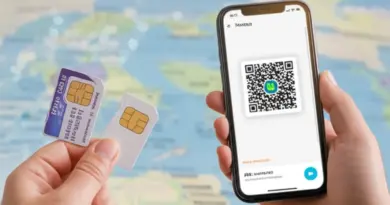
A traditional SIM (Subscriber Identity Module) card is a physical chip that you insert into your phone. It contains your subscriber information and allows your device to connect to a specific mobile network. For tourists in Thailand, this usually means purchasing a local prepaid SIM card upon arrival, often at the airport or convenience stores.
eSIMs: The Digital Revolution for Travelers
An eSIM (embedded SIM) is a digital SIM that allows you to activate a cellular plan from a carrier without needing a physical SIM card. It’s built directly into your device, offering greater flexibility. For travelers, this means you can purchase and activate a local Thai data plan before you even land, often by scanning a QR code.
Key Factors Affecting Data Speed in Thailand
When evaluating mobile data plans, several technical aspects directly impact the speed you experience. Understanding these will empower you to make an informed decision when you compare SIM and eSIM plans for speed in Thailand.
Data Caps: Your Usage Limits
Many prepaid plans come with a ‘data cap’ – a finite amount of high-speed data (e.g., 15GB, 30GB). Once you exceed this limit, your internet speed will typically be reduced drastically to a much slower speed (e.g., 128 kbps or 256 kbps) for the remainder of your plan’s validity. Always check the high-speed data allowance and what happens after it’s used up.
Throttling: When Speed Slows Down
Throttling refers to the intentional slowing of internet speed by your mobile carrier. This can happen for several reasons: after hitting a data cap, during times of network congestion (even if you haven’t hit your cap), or if you’re on an ‘unlimited’ plan that has a fair usage policy. It’s crucial to read the fine print of any plan to understand its throttling policies.
Peak Hours: Network Congestion
Just like roads, mobile networks experience rush hours. During peak times, such as evenings in densely populated areas or during major festivals, more users are accessing the network simultaneously. This increased demand can lead to temporary slowdowns, regardless of your plan or technology (SIM/eSIM). Thailand’s major cities, especially Bangkok, can experience this.
Network Peering: The Digital Highway
Network peering is the process where two internet service providers (ISPs) directly connect their networks to exchange traffic. For international travelers, the quality of peering agreements between your Thai carrier and global networks can affect speeds, especially when accessing international websites or services (e.g., streaming from your home country). Good peering means less latency and faster access to global content.
Network Infrastructure: 5G Availability
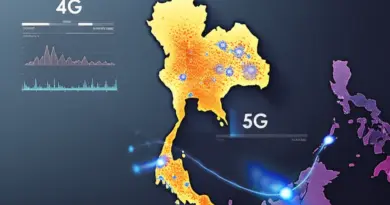
Thailand’s major carriers (AIS, TrueMove H, Dtac) have invested heavily in 5G infrastructure, particularly in urban centers and popular tourist destinations. If your device supports 5G and you’re in a 5G-covered area, you can expect significantly faster speeds. However, coverage can vary, and remote areas might still rely on 4G or even 3G.
Comparing SIM vs. eSIM for Speed and Performance in Thailand
When you compare SIM and eSIM plans for speed, it’s not just about the technology itself, but how it integrates with your travel needs and local network conditions. Both offer access to the same underlying networks (AIS, TrueMove H, Dtac), so the core speed capabilities are often identical, assuming the same plan and coverage.
Ease of Acquisition and Activation
- Physical SIM: Requires finding a vendor (airport, store), waiting in line, and potentially having your passport scanned. Activation can be immediate or take a few minutes.
- eSIM: Can be purchased and activated online before you travel, often with a QR code scan. This means instant connectivity upon arrival, saving time and hassle.
Flexibility and Plan Switching
- Physical SIM: Switching plans means physically swapping cards, which can be inconvenient if you want to try different carriers or top-up options.
- eSIM: Allows you to store multiple profiles and switch between them digitally. This is excellent for comparing performance across different carriers if your initial choice isn’t meeting expectations, or if you need separate plans for different regions.
Multi-Network Access
Some eSIM providers (especially global ones) offer plans that can connect to multiple local networks (e.g., AIS and TrueMove H) and automatically switch to the strongest signal. While this doesn’t inherently make the network faster, it can significantly improve reliability and perceived speed by ensuring you’re always on the best available connection in a given area. Local Thai SIMs/eSIMs are usually locked to one carrier.
Cost-Effectiveness for Tourists
Generally, local Thai prepaid SIM cards purchased directly from carriers tend to offer more data for a lower price compared to international eSIM providers. However, the convenience of an eSIM for immediate connectivity can outweigh the slight cost difference for many travelers.
Choosing the Right Plan: Providers in Thailand
Thailand’s main mobile carriers are AIS, TrueMove H, and Dtac. All three offer competitive tourist SIM and eSIM plans, often including unlimited social media or specific app data. To effectively compare SIM and eSIM plans for speed, consider these steps:
| Carrier | Strengths (General) | Considerations |
|---|---|---|
| AIS | Widest coverage, strong 5G in cities, good speeds | May be slightly pricier for some plans |
| TrueMove H | Excellent 5G in urban areas, competitive pricing | Coverage can be less extensive than AIS in very remote areas |
| Dtac | Good value plans, decent urban coverage | Historically had less rural coverage, but improving |
Researching Coverage and Speed Maps
Visit the official websites of AIS, TrueMove H, and Dtac. They usually provide detailed coverage maps. Cross-reference these with your planned itinerary to ensure the best possible signal and speed where you need it most.
Reading Reviews from Fellow Travelers
Online travel forums, blogs, and review sites (like TripAdvisor or Reddit’s r/ThailandTourism) are invaluable resources. Look for recent reviews about data speeds and network reliability in the specific regions you plan to visit. Experiences can vary, so a broad perspective helps.
Conclusion: Making Your Choice
Ultimately, the best way to compare SIM and eSIM plans for speed in Thailand depends on your specific travel style, device, and priorities. For maximum convenience and immediate connectivity, an eSIM is often preferred, allowing you to land ready to go. If you prioritize maximizing data allowance for the lowest price, a physical SIM from a local carrier upon arrival might be your best bet. Regardless of your choice, understanding data caps, throttling, peak hours, and network peering will equip you to maintain blazing-fast internet throughout your incredible Thai adventure.
คำถามที่พบบ่อย (FAQ)
Q: Do eSIMs offer faster speeds than physical SIMs in Thailand?
A: No, the technology itself (SIM vs. eSIM) does not dictate speed. Both types of plans utilize the same underlying network infrastructure (e.g., AIS, TrueMove H, Dtac). Your actual speed will depend on the specific data plan you purchase, network congestion, coverage in your area, and your device’s capabilities, not whether it’s a physical or embedded SIM.
Q: What are peak hours for mobile data in Thailand?
A: Peak hours for mobile data in Thailand, especially in major cities like Bangkok, typically occur during evenings (roughly 6 PM to 11 PM) and on weekends or public holidays when more people are actively using the network. During these times, you might experience slight slowdowns due to increased network congestion.
Q: How can I check my remaining data and avoid throttling?
A: Most Thai carriers provide apps or USSD codes (dialing a short number like *121#) to check your data balance. It’s recommended to download the carrier’s app (e.g., My AIS, True iService) as soon as you get your SIM/eSIM. Regularly monitoring your usage and topping up if necessary before you hit your data cap is the best way to avoid throttling.
Q: Are 5G speeds widely available for tourists in Thailand?
A: 5G coverage is rapidly expanding in Thailand and is widely available in major cities, popular tourist destinations, and key transport hubs. However, in more rural or remote areas, you will likely rely on 4G or even 3G. Ensure your phone supports 5G bands used in Thailand and check carrier coverage maps for specific areas you plan to visit.
Q: Should I buy a tourist SIM/eSIM or use international roaming?
A: For most tourists, purchasing a local Thai SIM or eSIM is significantly more cost-effective and offers better data speeds and allowances compared to international roaming from your home provider. Roaming charges can be very high, and data speeds are often capped or throttled more aggressively. Local options are almost always the superior choice for connectivity in Thailand.
References
- How to Choose a SIM or eSIM in Thailand: Prioritizing Speed for Calls, Data, and Streaming
- Why Mobile Speed Matters in Thailand: Understanding 4G vs 5G, Coverage Maps, and Real-World Performance
- Practical Steps to Test and Verify Speed in Thailand: Speedtest Tools, Best Locations, and Troubleshooting