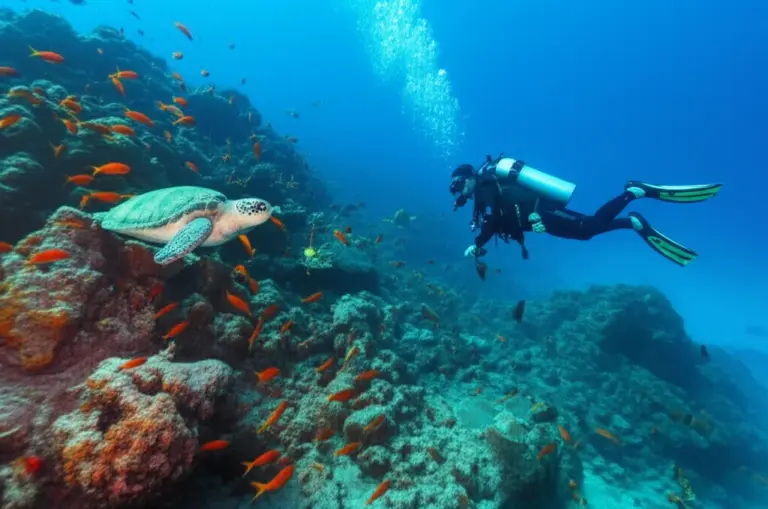
Koh Tao Deep Diving: Complete Guide to Chumphon Pinnacle for Advanced Divers — Best Seasons, Currents, and Marine Life
- Koh Tao Deep Diving: Complete Guide to Chumphon Pinnacle for Advanced Divers — Best Seasons, Currents, and Marine Life
For advanced divers seeking an unparalleled underwater adventure in Thailand, Chumphon Pinnacle deep diving Koh Tao stands as an undisputed highlight. Located just a short boat ride from the shores of Koh Tao, this submerged granite seamount offers an exhilarating experience characterized by its dramatic topography, strong currents, and an abundance of pelagic marine life. This comprehensive guide will equip you with all the essential knowledge to plan your deep diving expedition to Chumphon Pinnacle, covering everything from the best times to visit to the incredible encounters that await.
Why Chumphon Pinnacle is Koh Tao’s Deep Diving Gem
Chumphon Pinnacle’s allure lies in its unique underwater structure and its role as an oceanic beacon. Rising from the depths of approximately 35 meters to just 14 meters below the surface, its granite formations are adorned with vibrant anemones and soft corals, creating a thriving ecosystem. This exposed location in the Gulf of Thailand acts as a natural magnet for larger marine species, promising unforgettable encounters for those brave enough to explore its depths.
The Pinnacle’s Unique Underwater Topography
The main pinnacle is surrounded by several smaller outcroppings, forming intricate swim-throughs and sheltered nooks. These structures provide perfect hiding spots for smaller reef fish and offer divers exciting routes to navigate. The sheer size and complexity of the pinnacle demand careful planning and excellent buoyancy control, making it an ideal challenge for advanced divers looking to refine their skills.
A Magnet for Pelagic Species
What truly sets Chumphon Pinnacle apart is its reputation as a haven for pelagic fish. Schools of barracudas, trevallies, and fusiliers are commonly sighted, often swirling in mesmerizing formations around the pinnacle. The chance of spotting a majestic whale shark, especially during peak seasons, adds an unparalleled thrill to every dive. This rich biodiversity is a testament to the site’s healthy ecosystem and its strategic location.
Planning Your Deep Dive to Chumphon Pinnacle
Preparation is key for a successful and safe deep dive at Chumphon Pinnacle. Understanding the environmental conditions and ensuring you have the right experience and gear are paramount.
Best Seasons for Diving Chumphon Pinnacle (Weather, Visibility)
The diving season in Koh Tao is generally year-round, but for Chumphon Pinnacle, certain periods offer optimal conditions:
- March to May: Often considered the best time, with calm seas, high visibility (20-30m+), and warmer water temperatures. This period also coincides with a higher chance of whale shark sightings.
- October to December: Monsoon season can bring rougher seas and reduced visibility, though marine life can still be abundant. Dive operators might cancel trips if conditions are too challenging.
- June to September: Generally good conditions, but occasional storms can occur. Visibility remains excellent.
Always check local weather forecasts and consult with reputable dive centers before planning your trip.
Understanding the Currents: A Crucial Factor
Chumphon Pinnacle is known for its strong and unpredictable currents. These currents are precisely what attract the large pelagic species, but they also demand respect and advanced diving skills. Divers must be proficient in drift diving techniques and be comfortable navigating in strong flows. Your dive guide will provide a thorough briefing on current conditions and entry/exit strategies.
Essential Gear for Advanced Divers
Beyond standard dive gear, advanced divers heading to Chumphon Pinnacle should consider:
- SMB (Surface Marker Buoy) and Reel: Essential for safety and signaling on ascent, especially in strong currents.
- Dive Computer: With deep diving capabilities and audible alarms.
- Dive Light: Even during the day, a light can bring out the true colors of corals and marine life in deeper sections.
- Extra Weight: Sometimes needed to counteract buoyancy in strong currents.
Ensure all your gear is well-maintained and you are thoroughly familiar with its operation.
Encountering Chumphon Pinnacle’s Diverse Marine Life
The sheer volume and variety of marine life at Chumphon Pinnacle are astonishing. Every dive promises new discoveries, from the smallest nudibranch to the largest fish in the sea.
The Majestic Whale Sharks and Barracuda Schools
The ultimate prize for many divers visiting Chumphon Pinnacle is an encounter with a whale shark. These gentle giants frequent the site, particularly during the plankton-rich months. Imagine being surrounded by hundreds, if not thousands, of chevron barracudas, forming a shimmering tornado. Giant groupers, king mackerel, and various species of trevally also patrol the depths, adding to the thrill. The sheer scale of these pelagic schools is a breathtaking sight that few other sites can match.
Reef Residents and Macro Wonders
While the pelagics often steal the show, don’t overlook the vibrant reef life. Beautiful anemones host families of clownfish, while bannerfish, angelfish, and butterflyfish flit among the corals. Keep an eye out for smaller creatures like moray eels, scorpionfish, and various nudibranchs tucked away in crevices. Every inch of the pinnacle teems with life, offering endless opportunities for observation and underwater photography.
Safety and Best Practices for Advanced Diving at Chumphon Pinnacle
Given the challenging conditions, safety should always be your top priority when diving Chumphon Pinnacle. Adhering to best practices ensures a memorable and secure experience.
Choosing the Right Dive Operator
Select a reputable dive center in Koh Tao with experienced guides who are intimately familiar with Chumphon Pinnacle. Look for operators that prioritize small group sizes, provide thorough briefings, and maintain high safety standards. They should be able to assess current conditions accurately and make informed decisions about dive feasibility.
Deep Diving Certifications and Experience
Chumphon Pinnacle is strictly for advanced divers. You should possess at least an Advanced Open Water Diver certification (or equivalent) and ideally, a Deep Diver specialty certification. Furthermore, significant experience with drift diving and managing challenging currents is highly recommended. If you’re unsure, consider taking a refresher course or an Advanced Open Water course with a focus on deep and drift diving before tackling this site.
Chumphon Pinnacle represents the pinnacle of Koh Tao’s deep diving offerings for advanced divers. Its stunning underwater landscape, coupled with the potential for incredible pelagic encounters, makes it a truly world-class dive site. By understanding its unique conditions, planning meticulously, and always prioritizing safety, you’re set for an unforgettable adventure. Prepare to be amazed by the vibrant marine life and the sheer thrill of exploring this underwater marvel.
คำถามที่พบบ่อย (FAQ)
-
Q: Is Chumphon Pinnacle suitable for beginner divers?
A: No, Chumphon Pinnacle is generally considered suitable only for advanced divers due to its depth, potential for strong currents, and exposure to open water conditions. A minimum of Advanced Open Water certification is usually required by dive operators.
-
Q: What is the best time of year to see whale sharks at Chumphon Pinnacle?
A: While whale shark sightings can occur year-round, the peak seasons are typically from March to May and again from September to December, when plankton blooms are more prevalent, attracting these filter feeders to the pinnacle.
-
Q: How deep are the dives at Chumphon Pinnacle?
A: The top of the pinnacle is around 14 meters (45 feet) below the surface, but the main dive often extends to depths of 25-30 meters (80-100 feet) to explore the base and surrounding areas. The maximum depth can be around 35 meters (115 feet).
-
Q: What kind of currents can I expect?
A: Currents at Chumphon Pinnacle can range from mild to very strong and can change direction during a dive. Divers should be comfortable with drift diving and have good buoyancy control. Your dive guide will assess conditions before and during the dive.
References
- PADI (Professional Association of Diving Instructors)
- Scuba Diving Magazine
- Tourism Authority of Thailand
- Why Chumphon Pinnacle Is a Must for Advanced Divers: Site Overview, Depth Profile, and Drift Diving Conditions
- When to Dive Chumphon Pinnacle: Seasonal Visibility, Currents, Weather Windows, and Recommended Dive Windows
- What You’ll See: Typical Marine Life Encounters, Mega Fauna Sightings, and Photographic Opportunities at Chumphon Pinnacle