What You’ll See: Typical Marine Life Encounters, Mega Fauna Sightings, and Photographic Opportunities at Chumphon Pinnacle
- What You’ll See: Typical Marine Life Encounters, Mega Fauna Sightings, and Photographic Opportunities at Chumphon Pinnacle
For those seeking an unparalleled underwater adventure in Thailand, Chumphon Pinnacle stands as a beacon of marine biodiversity. Located just a short boat ride from Koh Tao, this submerged granite seamount is renowned for its vibrant ecosystems, offering divers spectacular **Chumphon Pinnacle marine life** encounters, thrilling mega fauna sightings, and endless photographic opportunities. It’s a must-visit destination for any serious diver exploring the Gulf of Thailand.
Diving into Chumphon Pinnacle: A World Beneath the Waves
Chumphon Pinnacle is not just another dive site; it’s an underwater mountain rising from the seafloor, its apex resting around 14 meters below the surface and descending to depths of over 30 meters. This unique topography creates a diverse range of habitats, attracting an incredible array of marine species. The pinnacle is often exposed to currents, which bring nutrient-rich waters, fueling a thriving food chain and ensuring a dynamic diving experience.
The Pinnacle’s Unique Geography and Ecosystem
Composed primarily of granite, Chumphon Pinnacle is adorned with magnificent anemones, soft corals, and hard corals that carpet its slopes. The main pinnacle is surrounded by several smaller, equally captivating satellite pinnacles, all teeming with life. This structure provides shelter and hunting grounds for countless creatures, making every dive a discovery.
Why Chumphon Pinnacle is a Diver’s Paradise
Its reputation precedes it. Chumphon Pinnacle consistently ranks among Thailand’s top dive sites due to its reliability in delivering exceptional encounters. From schools of pelagic fish to the majestic whale sharks, the sheer volume and diversity of **Chumphon Pinnacle marine life** make it an unforgettable experience for divers of all levels, though strong currents can sometimes make it more suitable for intermediate to advanced divers.
Typical Marine Life Encounters at Chumphon Pinnacle
Prepare to be immersed in a kaleidoscope of colors and activity. The reef is alive with an astonishing variety of fish, ensuring that even on days without mega fauna, the dive is spectacular.
Vibrant Reef Fish and Coral Gardens
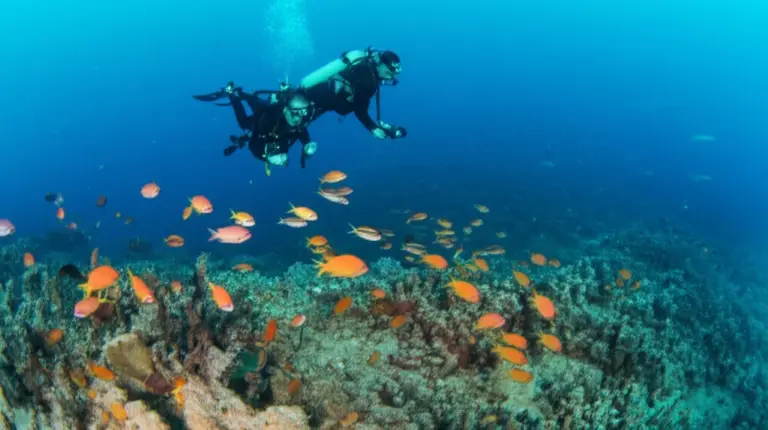
The shallower parts of the pinnacle (around 14-20 meters) are a bustling hub for reef fish. Expect to see vibrant angelfish, butterflyfish, bannerfish, and parrotfish. Clownfish playfully dart through the tentacles of giant anemones, while groupers and snappers lurk in crevices. The rich coral formations provide both shelter and food, sustaining this thriving community.
Schools of Pelagic Fish: Barracudas and Trevallies
One of the most thrilling aspects of diving Chumphon Pinnacle is the sheer volume of pelagic fish. Enormous schools of barracudas, often forming mesmerizing ‘towers’ or ‘tornadoes,’ are a common sight, as are large schools of trevallies and fusiliers. These fast-moving predators add an exciting dynamic to the dive, often circling divers with curiosity.
Smaller Wonders: Macro Life and Nudibranchs
While the big fish often steal the show, don’t forget to look closely! Chumphon Pinnacle also offers fantastic macro opportunities. Keep an eye out for various species of nudibranchs, shrimp, crabs, and other fascinating invertebrates camouflaged among the corals and rocks. These tiny creatures are a delight for keen-eyed photographers.
Mega Fauna Sightings: The Thrill of the Big Ones
The possibility of encountering large marine animals is a major draw to Chumphon Pinnacle. These encounters often create memories that last a lifetime.
The Majestic Whale Sharks
Chumphon Pinnacle is one of the best places in the Gulf of Thailand to spot the magnificent whale shark, the largest fish in the ocean. These gentle giants, often measuring several meters in length, frequent the pinnacle, especially during peak seasons, feeding on plankton. A sighting is a truly awe-inspiring experience and a highlight for many divers.
Other Pelagic Giants: Manta Rays and Reef Sharks
While less common than whale sharks, manta rays are occasionally spotted gracefully gliding through the currents. Various species of reef sharks, including blacktip and grey reef sharks, also patrol the deeper sections of the pinnacle, adding to the thrill of the dive. Their presence is a strong indicator of a healthy marine ecosystem.
Experience Chumphon Pinnacle Marine Life!
Get a glimpse of the incredible underwater world that awaits you at Chumphon Pinnacle. This video showcases some of the typical encounters and the vibrant ecosystem of this renowned dive site.
Dive in and imagine yourself exploring these depths!
Maximizing Photographic Opportunities
Chumphon Pinnacle is a dream location for underwater photographers. The clarity of the water, coupled with the abundance of diverse marine life, provides endless subjects for stunning shots.
Gear Recommendations for Underwater Photography
For wide-angle shots of whale sharks or barracuda schools, a wide-angle lens with external strobes is essential. For macro subjects like nudibranchs and small crabs, a dedicated macro lens with a focus light will yield incredible detail. Ensure your camera housing is rated for the depths you plan to dive and always carry spare batteries.
Best Times and Conditions for Photography
The best conditions for photography usually occur during calm weather with minimal current, allowing for stable shooting. Morning dives often offer the best light penetration. Visibility can vary, but on good days, it can exceed 30 meters, providing crystal-clear shots of the **Chumphon Pinnacle marine life**.
Capturing the Diversity: Wide-Angle vs. Macro
Decide on your photographic focus before the dive. If whale sharks are spotted, switch to wide-angle. If not, concentrate on the vibrant reef and its smaller inhabitants with macro. Having a versatile setup or making a choice beforehand will help maximize your photo output.
Planning Your Dive Trip to Chumphon Pinnacle
To make the most of your adventure, a little planning goes a long way.
Best Season to Visit
The prime diving season for Chumphon Pinnacle typically runs from February to May and again from August to October. During these months, water conditions are generally calm, visibility is excellent, and the chances of encountering whale sharks are higher. However, whale shark sightings are always a matter of luck.
Dive Operators and Logistics
Most dive trips to Chumphon Pinnacle depart from Koh Tao, which is easily accessible from Chumphon city or Surat Thani. Numerous reputable dive centers on Koh Tao offer daily trips to the pinnacle. It’s advisable to book in advance, especially during peak season, and inquire about their specific itineraries and safety protocols.
Chumphon Pinnacle truly offers a world-class diving experience. Its rich biodiversity, from the smallest nudibranch to the largest whale shark, combined with excellent photographic potential, makes it a jewel in Thailand’s diving crown. For any marine enthusiast or underwater photographer, a trip to witness the magnificent **Chumphon Pinnacle marine life** is an absolute must.
คำถามที่พบบ่อย (FAQ)
References
- The Dive Academy – Chumphon Pinnacle
- Roctopus Dive – Chumphon Pinnacle
- Dive.is – Whale Shark Season in Thailand
- Koh Tao Deep Diving: Complete Guide to Chumphon Pinnacle for Advanced Divers — Best Seasons, Currents, and Marine Life
- Why Chumphon Pinnacle Is a Must for Advanced Divers: Site Overview, Depth Profile, and Drift Diving Conditions
- When to Dive Chumphon Pinnacle: Seasonal Visibility, Currents, Weather Windows, and Recommended Dive Windows