Guided Tour Structure and Learning Opportunities — how marine biologists lead walks, typical teaching points, interactive activities, and citizen-science options
Thailand’s coastal ecosystems are some of the most biodiverse on the planet. From the coral reefs of the Andaman Sea to the mangrove forests of the Gulf of Thailand, the demand for educational and sustainable travel has never been higher. Central to this movement is the emergence of expert-led eco-tours where marine biologists lead walks along shores and reefs. These tours go beyond simple sightseeing; they are structured educational journeys that bridge the gap between casual tourism and scientific exploration.
The Structure of an Expert-Led Marine Walk
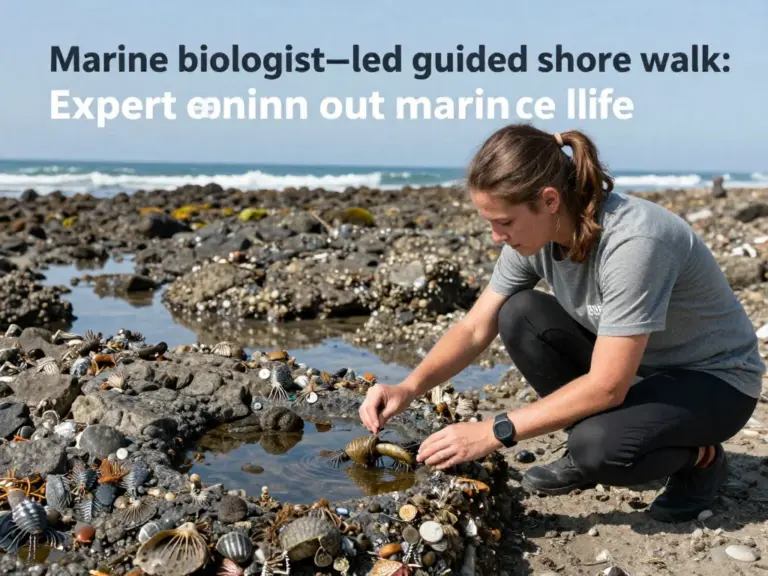
When marine biologists lead walks, the structure is meticulously planned to coincide with tidal cycles. A typical tour begins with a briefing on safety and environmental ethics, ensuring that participants understand the ‘look but don’t touch’ policy. The walk usually progresses from the upper intertidal zone down to the water’s edge, allowing visitors to see how different species adapt to varying levels of exposure to air and water.
Typical Teaching Points: Beyond the Surface
During these guided tours, the educational content is rich and varied. Marine biologists focus on several key teaching points:
- Symbiosis: Explaining the relationship between anemones and clownfish.
- Camouflage and Defense: How octopuses or stonefish blend into their surroundings.
- Climate Change Impact: Real-time examples of coral bleaching and its causes.
- Ecosystem Services: How mangroves protect the Thai coastline from erosion and tsunamis.
Interactive Activities for Engaged Learning
To keep the audience engaged, biologists incorporate interactive elements. This might include using waterproof ID cards to help guests identify fish species or using portable magnifying glasses to inspect tiny polyps. In Thailand, many tours also include ‘tide-pooling,’ where guests observe small organisms trapped in rocky crevices during low tide, providing a micro-view of the ocean’s vast complexity.
| Activity | Learning Outcome | Tools Used |
|---|---|---|
| Species ID Challenge | Biodiversity Awareness | Laminated Fish Charts |
| Water Quality Testing | Environmental Chemistry | pH Strips & Thermometers |
| Substrate Analysis | Geology & Habitat Study | Magnifying Lenses |
Citizen-Science Options: Contributing to Conservation
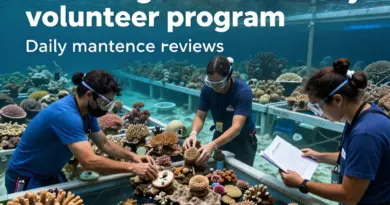
One of the most rewarding aspects of modern marine tours in Thailand is the opportunity for citizen science. Participants can contribute to actual research databases. For example, guests may be asked to photograph specific coral colonies for health monitoring or report sightings of rare species like the Dugong or Whale Shark via mobile apps like iNaturalist. This transforms a holiday activity into a meaningful contribution to Thailand’s marine conservation efforts.
คำถามที่พบบ่อย (FAQ)
Q1: What should I wear for a marine biologist-led walk?
A1: It is recommended to wear water-shoes with good grip, sun-protective clothing (UV shirts), and a hat. Avoid sunscreens that are not ‘reef-safe’ to protect the ecosystem.
Q2: Can children participate in these tours?
A2: Yes, these tours are highly educational for children. Marine biologists often tailor their teaching points to be accessible and fun for younger audiences.
Q3: How long do these guided walks typically last?
A3: Most walks last between 1.5 to 3 hours, depending on the tide schedule and the specific location in Thailand.
References
- Department of Marine and Coastal Resources (DMCR) Thailand
- iNaturalist Global Citizen Science Platform
- Reef Check Foundation
- Seagrass Meadow Walk at Laem Ngop: A Guided Marine-Biology Experience for Eco-Tourists and Families
- What to Expect on a Seagrass Meadow Walk at Laem Ngop — timing, meeting points, gear, accessibility, and safety guidelines for visitors
- Why Seagrass Meadows Matter — ecosystem services, species to spot (sea grasses, fish, invertebrates), and conservation importance in Trat Province