Top Ethical Elephant Sanctuaries in Thailand: Detailed Profiles, Admission, and Volunteer Opportunities
- Top Ethical Elephant Sanctuaries in Thailand: Detailed Profiles, Admission, and Volunteer Opportunities
Thailand, a land of vibrant culture and breathtaking landscapes, is also home to one of the world’s most magnificent creatures: the elephant. For many visitors, an encounter with these gentle giants is a highlight of their trip. However, with growing awareness of animal welfare, discerning travelers are increasingly seeking out Ethical Elephant Sanctuaries in Thailand. These sanctuaries prioritize the well-being of their rescued elephants above all else, offering a stark contrast to traditional exploitative practices. This comprehensive guide will delve into detailed profiles of leading ethical sanctuaries, provide essential admission information, and explore rewarding volunteer opportunities, ensuring your visit contributes positively to elephant conservation.
Understanding Ethical Elephant Tourism
The term ‘ethical’ in elephant tourism signifies a commitment to the highest standards of animal welfare. True ethical sanctuaries rescue elephants from abusive situations, such as logging, street begging, or forced performances, and provide them with a safe, natural environment to live out their lives. Key indicators of an ethical sanctuary include: no elephant riding, no bathing with tourists, no forced performances, and a strong emphasis on observation rather than direct interaction. Instead, visitors learn about elephant behavior, history, and the importance of conservation from a respectful distance. This approach ensures that the elephants lead lives free from stress and exploitation, while visitors gain a meaningful and educational experience.
Spotlight: Leading Ethical Elephant Sanctuaries in Thailand
Elephant Nature Park (Chiang Mai)
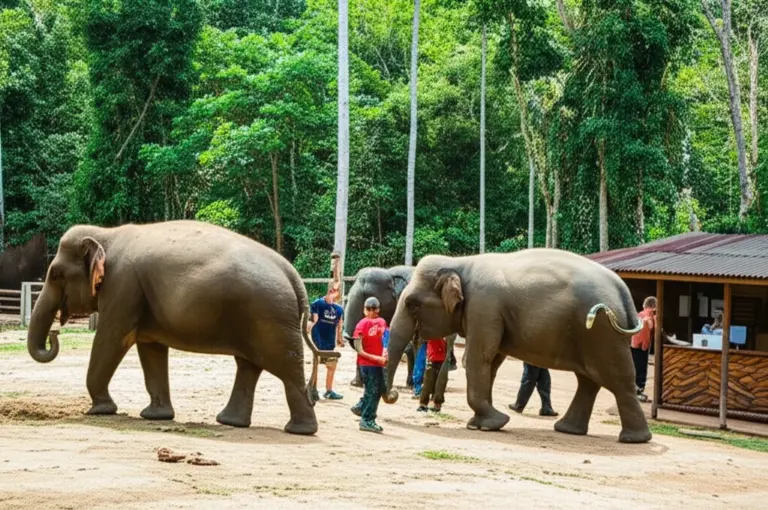
Widely regarded as the pioneer of ethical elephant tourism in Thailand, Elephant Nature Park (ENP) in Chiang Mai is a sanctuary and rescue center founded by Sangduen “Lek” Chailert. It provides a natural home for elephants, dogs, cats, buffaloes, and many other rescued animals. ENP focuses on rehabilitation, reintroduction to natural habitats, and promoting humane treatment of elephants. Visitors observe elephants roaming freely, interacting with their herds, and enjoying their natural behaviors. The park’s philosophy centers on a ‘hands-off’ approach, ensuring the elephants’ autonomy and well-being.
- What to Expect: Day visits involve observing herds, feeding elephants from a distance, and learning about their individual stories and rehabilitation. There are no rides or forced interactions.
- Admission: Day visit costs typically range from 2,500 – 3,500 THB per person, often including transportation and a vegan buffet lunch. Booking well in advance is highly recommended due to high demand.
- Volunteer Opportunities: ENP offers various volunteer programs, from short-term (1-7 days) to long-term (weeks or months). Volunteers assist with food preparation, cleaning enclosures, general maintenance, and other tasks crucial to the daily operation of the sanctuary. These programs offer a deeper immersion into the lives of the elephants and the dedicated staff.
Wildlife Friends Foundation Thailand (WFFT) (Phetchaburi)
Located in Phetchaburi province, WFFT is a much larger wildlife rescue center that also houses a significant number of rescued elephants. Beyond elephants, WFFT cares for bears, monkeys, gibbons, and various other wild animals confiscated from the illegal wildlife trade or rescued from abusive situations. Their elephant sanctuary provides vast enclosures for the elephants to roam, socialize, and recover.
- What to Expect: Guided tours allow visitors to learn about the different species, their rescue stories, and the foundation’s conservation efforts. Elephant interactions are observational, focusing on their natural behaviors within large, secure habitats.
- Admission: Day tours typically cost around 1,600 – 2,000 THB, including lunch and a guided tour.
- Volunteer Opportunities: WFFT is renowned for its extensive volunteer programs, ranging from a few days to several weeks or months. Volunteers are deeply involved in animal care, enclosure maintenance, food preparation, and general support for the sanctuary’s operations. This is an excellent option for those seeking a hands-on, impactful experience.
Phuket Elephant Sanctuary (Phuket)
As Phuket’s first ethical elephant sanctuary, this facility offers a haven for retired logging and riding elephants on the beautiful island. It provides a safe, natural home where elephants can live freely, socialize, and rehabilitate from decades of abuse. The sanctuary emphasizes a ‘no riding, no bathing’ policy, focusing instead on allowing elephants to live as naturally as possible.
- What to Expect: Visitors walk through lush jungle with guides, observing elephants as they forage, bathe themselves, and interact. The experience is designed to be educational and respectful, highlighting the elephants’ natural behaviors.
- Admission: Half-day tours usually cost between 3,000 – 3,500 THB, including hotel transfers and a vegetarian meal. Due to limited group sizes, early booking is essential.
- Volunteer Opportunities: While less focused on long-term residential volunteering than ENP or WFFT, Phuket Elephant Sanctuary occasionally offers limited volunteer positions, often requiring specific skills or a longer commitment. Check their website for current availability.
Save Elephant Foundation (Broader Impact)
It’s important to note that Elephant Nature Park is part of the Save Elephant Foundation, an organization dedicated to elephant rescue and rehabilitation across Thailand and beyond. They support numerous smaller projects and sanctuaries that adhere to the same ethical standards. When you support ENP, you’re also contributing to the broader mission of the foundation, which works tirelessly to transition traditional elephant camps into ethical, observation-only models. This network of ethical Ethical Elephant Sanctuaries in Thailand is steadily growing, offering more humane options for both elephants and tourists.
General Admission and Visiting Tips
Visiting an ethical elephant sanctuary is a truly memorable experience, but a little preparation goes a long way. Prices vary depending on the sanctuary, the duration of your visit (half-day, full-day, overnight), and inclusions like transportation and meals. Always book directly through the sanctuary’s official website or a reputable tour operator to ensure your money directly supports their work and to avoid scams.
- Book in Advance: Ethical sanctuaries often have limited visitor numbers to minimize disturbance to the elephants. Book weeks, or even months, ahead, especially during peak season.
- What to Bring: Wear comfortable, quick-drying clothing and walking shoes. Bring a hat, sunscreen, insect repellent, a reusable water bottle, and a camera (with a good zoom lens for respectful photos).
- Be Respectful: Listen to your guides, maintain a safe distance from the elephants, and avoid loud noises or sudden movements. Remember, you are in their home.
Embracing Volunteer Opportunities
For those seeking a deeper connection and a more impactful contribution, volunteering at an ethical elephant sanctuary can be a life-changing experience. Volunteer programs typically involve working alongside sanctuary staff, assisting with the daily care of the elephants and maintenance of the facilities. This is not a tourist activity but rather a commitment to hard work and dedication.
- Types of Tasks: Volunteers may assist with preparing elephant food, cleaning enclosures, planting trees, maintaining trails, or even helping with administrative tasks. Physical fitness is often required.
- Duration and Cost: Programs can range from a few days to several months, with longer commitments often offering a more immersive experience. Most programs require a fee to cover accommodation, food, and administrative costs, which directly supports the sanctuary.
- What to Expect: Expect rustic accommodation, simple food, and long, rewarding days. You’ll gain invaluable insight into elephant behavior, the challenges of conservation, and the dedication required to run these sanctuaries.
The Profound Impact of Ethical Choices
By choosing to visit or volunteer at Ethical Elephant Sanctuaries in Thailand, you directly contribute to the welfare of these majestic animals and the long-term sustainability of responsible tourism. Your ethical decision sends a clear message to the industry: animal exploitation is unacceptable. These sanctuaries not only provide a safe haven for rescued elephants but also play a critical role in educating the public, advocating for policy changes, and promoting a future where elephants are protected and revered. Your visit helps fund their vital work, from veterinary care and food to land acquisition and community outreach.
The shift towards ethical practices is transforming elephant tourism in Thailand, moving away from entertainment and towards genuine conservation. Be part of this positive change and ensure your memories of Thailand’s elephants are built on respect and compassion.
Conclusion
Thailand offers incredible opportunities to connect with elephants in a meaningful way, provided you choose wisely. Prioritizing ethical sanctuaries like Elephant Nature Park, WFFT, and Phuket Elephant Sanctuary ensures your experience supports genuine welfare and conservation efforts. Whether you choose a day visit or a longer volunteer stay, your responsible tourism decisions empower these organizations to continue their invaluable work, giving rescued elephants the peaceful and dignified lives they deserve. Embrace the spirit of ethical travel and make a lasting positive impact on Thailand’s gentle giants.