How to Plan Your Visit: Best Times, Responsible Photography, and What to Bring
Embarking on an adventure to Thailand promises a kaleidoscope of vibrant culture, breathtaking landscapes, and unforgettable experiences. From the bustling streets of Bangkok to the serene beaches of the south and the lush mountains of the north, this Southeast Asian gem captivates millions of visitors each year. To ensure your journey is as smooth, enjoyable, and impactful as possible, thoughtful planning is key. This comprehensive guide will walk you through the optimal times for your visit, crucial considerations for responsible photography, and an essential packing list, all designed to enhance your Thailand Tourism experience. By understanding the nuances of the local climate, respecting cultural sensitivities, and preparing adequately, you’ll be well on your way to creating cherished memories in the Land of Smiles.
Best Times to Visit Thailand
Thailand experiences a tropical climate, characterized by three main seasons: cool and dry, hot, and rainy. Choosing the right time depends largely on your preferred activities and tolerance for heat or rain.
Cool and Dry Season (November to February)
Considered the peak tourist season, these months offer the most pleasant weather across much of the country. Temperatures are moderate, humidity is lower, and rainfall is minimal. This is ideal for exploring ancient temples in Chiang Mai, enjoying the beaches in Phuket and Krabi, or navigating the vibrant markets of Bangkok. However, be prepared for larger crowds and higher prices for flights and accommodation. Booking well in advance is highly recommended during this period.
Hot Season (March to May)
The mercury rises significantly during these months, often reaching over 35°C (95°F). While it can be intense, this season also brings the lively Songkran (Thai New Year) water festival in April, a truly unique cultural experience. If you plan to visit during this time, focus on water-based activities, seek out air-conditioned spaces, and stay hydrated. Coastal areas might offer some relief from the inland heat, and prices can be slightly lower than peak season.
Rainy Season (June to October)
Also known as the green season, this period sees frequent, often heavy, but usually short-lived downpours. The landscape transforms into lush, vibrant greenery, and waterfalls are at their most spectacular. Advantages include fewer tourists, lower prices, and a more authentic experience. While some islands might experience rough seas, others, particularly on the Gulf of Thailand side (like Koh Samui, Koh Phangan, Koh Tao), often have better weather during these months. Be flexible with your plans, as rain can occasionally disrupt outdoor activities.
Considering Regional Variations
It’s important to note that weather patterns can vary across Thailand. While the Andaman Coast (Phuket, Krabi) experiences its dry season from November to April, the Gulf Coast (Koh Samui, Koh Phangan) often has its driest weather from January to September, with peak rainfall in October and November. Northern Thailand (Chiang Mai, Chiang Rai) can be quite cool in the evenings during the cool season but experiences a ‘burning season’ from February to April due to agricultural burning, which can affect air quality. Researching the specific region you plan to visit is always a good idea.
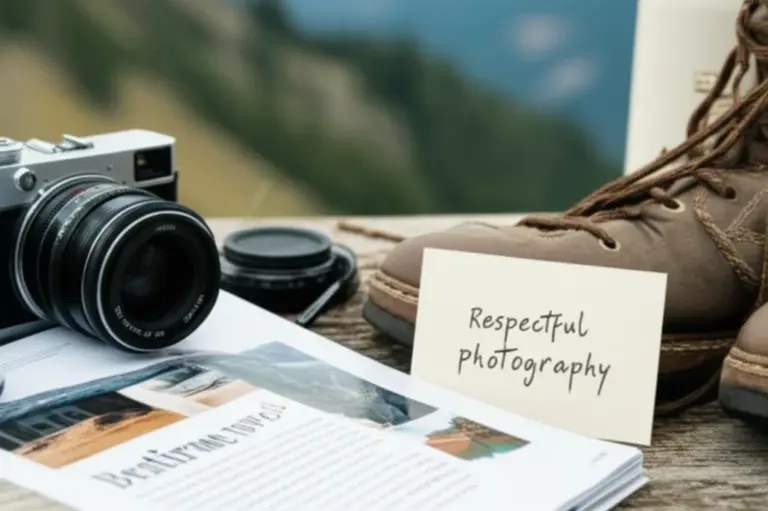
Responsible Photography in Thailand
Photography is an integral part of capturing travel memories, but in a culturally rich country like Thailand, it’s crucial to practice it responsibly and respectfully. Your approach to photography directly impacts the local community and environment, reflecting positively on Thailand Tourism as a whole.
Respecting Local Culture and People
Thais are generally welcoming, but always ask for permission before taking photos of individuals, especially children. A simple gesture or a polite ‘Kor taai ruup daai mai krap/ka?’ (May I take a photo?) goes a long way. If they decline, respect their wishes. Avoid taking intrusive close-ups without consent. Remember that people are not tourist attractions. Be mindful of their privacy and dignity.
Sacred Sites and Temples
When visiting temples (wats), dress modestly (shoulders and knees covered). Photography is generally allowed, but avoid taking photos during prayer times or if signs indicate otherwise. Never pose with Buddha images in a disrespectful manner, such as climbing on them or turning your back to them for a selfie. Be aware of your surroundings and move discreetly.
Wildlife and Nature Photography
When photographing wildlife, maintain a respectful distance and never disturb animals for a better shot. Avoid places that exploit animals for tourist entertainment, such as elephant riding camps or tiger temples. Instead, support ethical sanctuaries where animals are rehabilitated and cared for. For nature shots, stick to marked paths to protect delicate ecosystems.
Asking for Permission
This cannot be stressed enough. Whether it’s a street vendor, a monk, or a local villager, a simple nod and a smile, or a verbal request, shows respect and often results in a more genuine interaction and a better photo. If you receive a ‘no,’ politely acknowledge it and move on. Remember, your interaction leaves a lasting impression.
What to Bring for Your Thailand Adventure
Packing smart can significantly enhance your comfort and convenience while traveling through Thailand. Here’s a comprehensive list of essentials:
Essential Documents and Money
-
Passport & Visa: Ensure your passport has at least six months’ validity from your entry date and that you have any necessary visas.
-
Travel Insurance: Don’t leave home without it. It covers emergencies, lost luggage, and medical incidents.
-
Copies: Keep digital and physical copies of all important documents separate from the originals.
-
Credit/Debit Cards & Cash: While cards are accepted in many places, cash is king for street food, local markets, and smaller establishments. ATMs are widely available.
Clothing and Footwear
-
Lightweight, Breathable Fabrics: Cotton, linen, or moisture-wicking materials are ideal for the tropical climate. Think loose-fitting tops, shorts, and skirts.
-
Modest Attire: Crucial for temple visits. Pack at least one outfit (long pants/skirt and a top that covers shoulders) for sacred sites. A sarong can be a versatile cover-up.
-
Comfortable Walking Shoes/Sandals: You’ll be doing a lot of walking, often on uneven surfaces. Slip-on shoes are convenient for temple visits, where you’ll need to remove footwear frequently.
-
Swimwear: Essential for beaches and hotel pools.
-
Light Rain Jacket/Umbrella: Especially if traveling during the rainy season.
Health and Safety Items
-
Basic First-Aid Kit: Band-aids, antiseptic wipes, pain relievers, anti-diarrhea medication.
-
Insect Repellent: Crucial for protection against mosquitoes.
-
Sunscreen & Hat: Protect yourself from the strong tropical sun.
-
Hand Sanitizer: Useful for quick clean-ups on the go.
Electronics and Connectivity
-
Universal Travel Adapter: Thailand uses Type A, B, C, F, and O sockets. A universal adapter is your safest bet.
-
Portable Power Bank: Keep your devices charged, especially when out exploring.
-
Unlocked Smartphone: For purchasing a local SIM card for affordable data and calls.
Eco-Friendly Essentials
-
Reusable Water Bottle: Reduce plastic waste by refilling at hotels or cafes.
-
Reusable Shopping Bag: For markets and souvenirs.
-
Reef-Safe Sunscreen: If you plan on snorkeling or diving, protect Thailand’s precious marine life.
Additional Planning Tips for Thailand Tourism
Visa and Entry Requirements
Many nationalities can enter Thailand visa-free for up to 30 days. However, always check the latest visa requirements for your nationality with the Thai embassy or consulate in your country before departure, as regulations can change.
Health and Vaccinations
Consult your doctor several weeks before your trip about recommended vaccinations (e.g., Hepatitis A, Typhoid) and any necessary preventative medications (e.g., for malaria, depending on your itinerary). Be cautious with street food, though it’s often delicious; choose stalls with high turnover and good hygiene.
Transportation within Thailand
Thailand offers diverse transportation options. Domestic flights are efficient for long distances. Trains are a scenic, slower option. Buses are budget-friendly. Within cities, use Grab (ride-hailing app), tuk-tuks (negotiate fare beforehand), or metered taxis. For islands, ferries and longtail boats are common. Always agree on a price before starting a journey with non-metered transport.
Accommodation Choices
From luxury resorts to budget hostels, Thailand has options for every traveler. Book accommodation in advance, especially during peak season or major festivals. Read reviews to ensure quality and location suit your needs.
Planning your visit to Thailand with these considerations in mind will undoubtedly lead to a more enriching and enjoyable adventure. Embrace the culture, respect the environment, and immerse yourself in the beauty of this incredible country. Your responsible choices contribute to sustainable Thailand Tourism for future generations.
คำถามที่พบบ่อย (FAQ)
References
- Ethical Elephant Sanctuaries in Thailand: Where to See and Support Rescued Elephants Responsibly
- Why Choose Ethical Elephant Sanctuaries? Understanding Rescue, Rehabilitation, and No-Ride Policies
- Top Ethical Elephant Sanctuaries in Thailand: Detailed Profiles, Admission, and Volunteer Opportunities