Ethical Elephant Sanctuaries in Thailand: Where to See and Support Rescued Elephants Responsibly
- Ethical Elephant Sanctuaries in Thailand: Where to See and Support Rescued Elephants Responsibly
- The Call for Ethical Elephant Tourism in Thailand
- What Makes an Elephant Sanctuary Ethical?
- Top Ethical Elephant Sanctuaries in Thailand
- Your Visit: How to Be a Responsible Tourist
- Beyond the Visit: Supporting Elephant Conservation
- Conclusion: Making a Difference, One Ethical Visit at a Time
- คำถามที่พบบ่อย (FAQ)
Thailand, often called the ‘Land of Smiles,’ is renowned for its vibrant culture, stunning landscapes, and incredible wildlife, particularly its majestic elephants. For many years, elephant tourism in Thailand was synonymous with riding or performances, activities now widely recognized as harmful and unethical. Thankfully, a significant shift has occurred, with a growing number of truly ethical elephant sanctuaries in Thailand emerging as beacons of hope for these magnificent creatures. This guide will help you navigate the options to ensure your visit supports genuine elephant welfare, offering an unforgettable and responsible experience for any discerning traveler.
The Call for Ethical Elephant Tourism in Thailand
For centuries, elephants have been integral to Thai society, revered for their strength and intelligence. However, their role in industries like logging and, more recently, tourism, has often led to severe exploitation and abuse. Traditional elephant camps, which offered rides, shows, and close-up interactions, frequently relied on cruel training methods to break the elephants’ spirits, inflicting both physical and psychological trauma. The growing awareness among tourists about these practices has spurred a demand for more humane alternatives. This is where ethical elephant sanctuaries step in, offering a chance to observe and support rescued elephants in environments that prioritize their well-being above all else.
Understanding the Plight of Elephants
Many elephants in sanctuaries are victims of past abuse, rescued from logging camps, street begging, or abusive tourist attractions. They often arrive with chronic injuries, malnourishment, and deep psychological scars. An ethical sanctuary provides these elephants with a safe haven, proper veterinary care, nutritious food, and the social interaction they need to recover and live a life free from exploitation.
Why Choose an Ethical Sanctuary?
Choosing an ethical sanctuary means contributing directly to elephant conservation and welfare. It supports organizations that dedicate their resources to rescuing, rehabilitating, and protecting elephants, rather than perpetuating harmful practices. Moreover, it offers a more authentic and respectful experience, allowing visitors to witness elephants behaving naturally in a near-wild environment.
What Makes an Elephant Sanctuary Ethical?
The term ‘sanctuary’ is unfortunately not regulated, and many commercial operations may use it deceptively. To ensure you are supporting a truly ethical establishment, look for specific indicators that prioritize the elephants’ welfare above tourist entertainment.
- No Riding: Elephants are not ridden, as their spines are not designed to carry human weight, and the training involves cruel methods.
- No Performances or Tricks: Elephants are not forced to perform, paint, or play sports.
- No Forced Bathing: While observing elephants bathe naturally is fine, forced bathing with tourists can be stressful for the elephants.
- Hands-Off Approach: Interaction is minimal and always on the elephant’s terms. Direct touching is usually discouraged.
- Freedom to Roam: Elephants have ample space to socialize, forage, and behave naturally.
- Focus on Rescue and Rehabilitation: The primary mission is to provide a home for rescued elephants, not to breed them for tourism.
- Education: Sanctuaries educate visitors about elephant biology, behavior, and the issues they face.
Activities to Expect (and Avoid)
At an ethical sanctuary, your activities will revolve around observing and learning. You might participate in preparing food, feeding elephants from a safe distance, or walking alongside them as they roam. The focus is always on the elephants’ comfort and freedom, not on human entertainment. Avoid any place that offers rides, bathing with elephants, or shows, as these are red flags for unethical practices.
Top Ethical Elephant Sanctuaries in Thailand
When planning your trip, consider these highly reputable ethical elephant sanctuaries in Thailand that exemplify responsible tourism.
Elephant Nature Park (Chiang Mai)
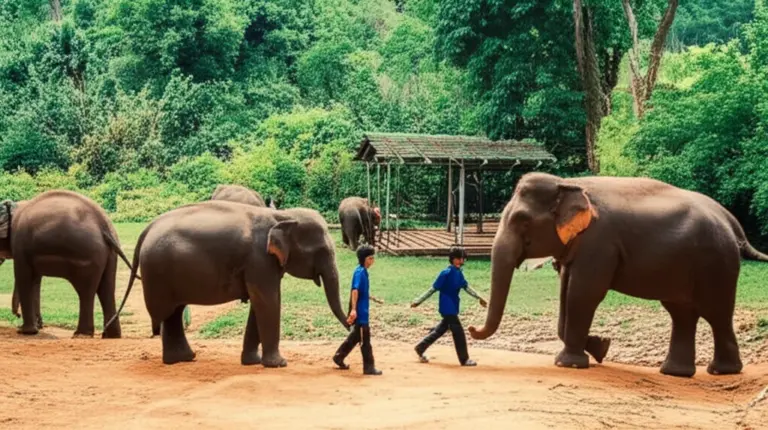
Located in northern Thailand, Elephant Nature Park (ENP) is arguably the most famous and pioneering ethical elephant sanctuary. Founded by Lek Chailert, ENP provides a natural home for rescued elephants, along with dogs, cats, and buffaloes. Visitors can observe herds freely roaming, feeding, and bathing in the river. ENP strictly adheres to a ‘hands-off’ policy, ensuring the elephants’ autonomy. They offer various programs, from single-day visits to week-long volunteering.
See what an ethical elephant sanctuary visit looks like:
Phuket Elephant Sanctuary (Phuket)
Phuket Elephant Sanctuary (PES) was the island’s first ethical elephant sanctuary, founded by the same team behind ENP. Set on 30 acres of lush jungle, it offers a peaceful retirement for elephants rescued from the logging and tourism industries. Visitors can observe the elephants from elevated walkways, witness their feeding, and learn about their individual stories. Like ENP, PES emphasizes observation over interaction, ensuring the elephants live free from human interference.
Wildlife Friends Foundation Thailand (Phetchaburi)
Located in Phetchaburi province, south of Bangkok, the Wildlife Friends Foundation Thailand (WFFT) is a much larger rescue center that not only cares for elephants but also a wide variety of other rescued wildlife. WFFT offers guided tours where visitors can learn about the animals and their rescue stories. Their elephant section, like other ethical sanctuaries, focuses on allowing elephants to live as naturally as possible, without rides or performances.
Samui Elephant Haven (Koh Samui)
For those visiting Thailand’s southern islands, Samui Elephant Haven offers an ethical alternative on Koh Samui. It provides a safe and natural environment for elephants rescued from trekking and entertainment industries. Visitors can feed the elephants, walk with them through their natural habitat, and observe them enjoying mud pits and swimming in ponds, all while maintaining a respectful distance.
Your Visit: How to Be a Responsible Tourist
Your role as a responsible tourist is crucial in supporting ethical elephant tourism.
Booking Your Visit
Always book directly through the sanctuary’s official website or a reputable, ethical tour operator. This ensures your money directly supports the elephants and avoids third-party agencies that might not uphold the same ethical standards. Be wary of heavily discounted tours that seem too good to be true, as they often are.
What to Bring
Pack light, comfortable clothing suitable for warm weather, closed-toe shoes, a hat, sunscreen, and insect repellent. Many sanctuaries provide water, but bringing a reusable water bottle is always a good idea. Remember your camera, but respect guidelines on photography, especially if flashes are prohibited.
Respecting the Elephants and Their Environment
Listen carefully to your guide’s instructions. Maintain a respectful distance, avoid loud noises, and never attempt to touch an elephant unless explicitly permitted and guided by staff. Remember, these are rescued animals, some with traumatic pasts, and their comfort is paramount.
Beyond the Visit: Supporting Elephant Conservation
Your support doesn’t have to end with your visit.
Donations and Volunteering
Ethical sanctuaries rely heavily on donations to cover the significant costs of caring for elephants, including food, veterinary care, and land maintenance. Many also offer long-term volunteer programs for those who wish to contribute more extensively.
Spreading Awareness
Educate your friends and family about the importance of ethical elephant tourism. Share your positive experiences at responsible sanctuaries and discourage participation in activities that exploit elephants. Social media can be a powerful tool for advocacy.
Conclusion: Making a Difference, One Ethical Visit at a Time
Visiting Ethical Elephant Sanctuaries in Thailand offers a profound opportunity to connect with these magnificent animals in a way that truly benefits them. By choosing responsible tourism, you contribute to the ongoing efforts to rescue, rehabilitate, and protect elephants, ensuring a brighter future for Thailand’s gentle giants. Your conscious choices make a tangible difference, turning your travel dreams into a force for good.
คำถามที่พบบ่อย (FAQ)
Q: Is elephant riding ethical in Thailand?
A: No, elephant riding is generally considered unethical. The training process often involves cruel methods, and carrying human weight can cause long-term spinal damage to elephants. Ethical sanctuaries strictly prohibit riding.
Q: How can I tell if an elephant sanctuary is truly ethical?
A: Look for sanctuaries that prioritize elephant welfare: no riding, no forced performances, minimal direct interaction (especially bathing with tourists), ample space for elephants to roam, and a focus on rescue and rehabilitation. Reputable sanctuaries will be transparent about their practices.
Q: Can I touch or bathe with elephants at ethical sanctuaries?
A: Most truly ethical sanctuaries discourage or prohibit direct touching and bathing with elephants, as it can be stressful for the animals and blurs the line between welfare and entertainment. The focus is on observation and allowing elephants to behave naturally.
Q: What is the best way to support elephant conservation in Thailand?
A: The best ways are to visit and support ethical sanctuaries directly, make donations, or volunteer your time. Spreading awareness about responsible tourism practices is also crucial.
References
- World Animal Protection – Ethical Elephant Tourism
- National Geographic – The truth about elephant tourism in Thailand
- Elephant Nature Park Official Website
- Phuket Elephant Sanctuary Official Website
- Wildlife Friends Foundation Thailand Official Website
- Samui Elephant Haven Official Website