Essential gear, packing list, and safety tips for high-altitude hikes in northern and northeastern Thailand
- Essential gear, packing list, and safety tips for high-altitude hikes in northern and northeastern Thailand
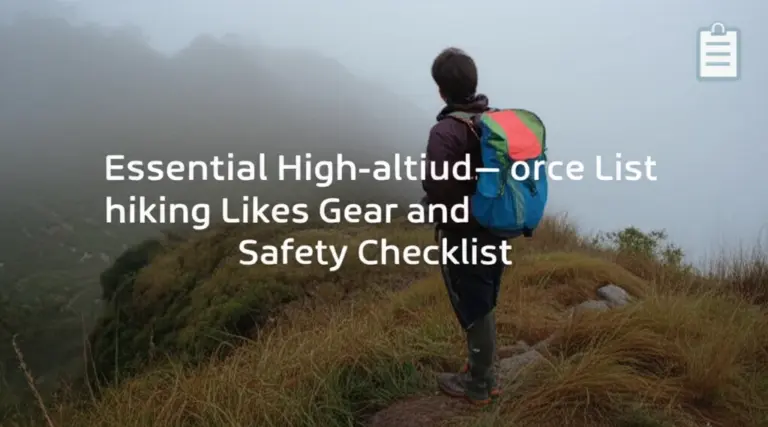
Thailand is globally renowned for its pristine beaches and vibrant street life, but for the adventurous traveler, the country holds a secret: its majestic, mist-shrouded mountain ranges in the North and Northeast. Unlike the tropical heat of the lowlands, these peaks—such as Doi Inthanon and Phu Kradueng—offer a unique, cool-climate trekking experience. Successfully navigating these trails requires specific preparation, from essential gear to crucial safety knowledge. This guide provides the definitive high-altitude hikes Thailand packing list and expert safety advice to ensure your mountain adventure is both thrilling and secure.
Understanding Thailand’s High-Altitude Environment
The high-altitude regions of Northern Thailand (Chiang Mai, Chiang Rai, Mae Hong Son) and Northeastern Thailand (Loei, Phetchabun) are characterized by evergreen montane forests, cool temperatures, and high humidity. The ‘cool season’ (November to February) is the peak trekking time, with summit temperatures often dropping to single digits Celsius, or even near freezing overnight. The Northeast, particularly peaks like Phu Kradueng, sees a different landscape but similar cold-weather conditions on its plateau during this time.
Northern Gems: Doi Inthanon and Doi Luang Chiang Dao
Doi Inthanon, the ‘Roof of Thailand,’ is the most accessible high-altitude destination, featuring well-maintained trails like the Kew Mae Pan Nature Trail. Doi Luang Chiang Dao, while restricted, offers a more rugged, challenging experience for those who secure permits. The key challenge here is managing the transition from a warm, humid base to a cold, damp summit.
The Essential Gear & High-Altitude Hikes Thailand Packing List
A well-planned high-altitude hikes Thailand packing list is the difference between a memorable trek and a miserable one. Focus on moisture management and layering.
Clothing and Layering System
Forget heavy cotton. Your gear must be synthetic or merino wool to wick away sweat, which is crucial in the humid environment. The three-layer system is mandatory:
- Base Layer: Moisture-wicking shirt and leggings (synthetic or merino).
- Mid-Layer: Fleece or light puffy jacket for insulation against the cold summit winds.
- Outer Shell: A waterproof and windproof jacket. This is non-negotiable for sudden rain or mist.
- Accessories: A warm hat, gloves, and thick hiking socks (wool blend).
Sturdy, waterproof hiking boots with good ankle support are essential for the often slippery, root-covered trails. Navigation is typically straightforward on designated national park trails, but a reliable GPS app or a local guide is always recommended.
Quick-Reference Packing Checklist
| Category | Essential Items | Notes |
|---|---|---|
| Clothing | 3-Layer System, Wool Socks, Rain Cover | Temperatures can drop below 10°C. |
| Safety & Health | First-Aid Kit, Personal Medication, Headlamp | Altitude sickness is rare but possible; carry pain relievers. |
| Hydration | Water Filter/Purification Tablets, Hydration Pack (2-3L) | Do not drink untreated stream water. |
| Sun Protection | Sunscreen, Hat, Sunglasses | The sun is intense even at high altitudes. |
| Documentation | Passport Copy, Park Permits, Emergency Contacts | Keep these in a waterproof bag. |
Critical Safety Tips for High-Altitude Hikes
Acclimatization and Altitude Awareness
Since Thailand’s highest peak is just over 2,500 meters, severe altitude sickness (AMS) is uncommon. However, you may feel winded or get a slight headache. The best practice is to take it slow, especially on the first day, and maintain a steady pace. If you feel dizzy or nauseous, stop, hydrate, and consider descending.
Permits, Guides, and Communication
Many popular trails, like the Kew Mae Pan trail on Doi Inthanon, require you to hire a local guide, often from the local Karen or Hmong hill tribe communities. This is a safety requirement and a fantastic way to support local tourism and gain expert knowledge. Always check in and out with park officials. Mobile signal can be intermittent, so a power bank for your phone is essential.
Exploring the Roof of Thailand
To visualize the stunning scenery and the environment you’ll be preparing for, take a look at this overview of Thailand’s highest mountain, Doi Inthanon, and its famous trails.
Regional Trekking Highlights
Northern Thailand (The Classic High-Altitude Experience)
The North is the epicenter for high-altitude hikes. Beyond Doi Inthanon, consider the trails around Chiang Rai’s Phu Chi Fa, famous for its ‘sea of mist’ views at sunrise. The mountains here are part of the Himalayan foothills, providing lush, temperate forests. Many treks originate from Chiang Mai and include cultural stops at local hill tribe villages, adding an invaluable cultural dimension to your trip.
Northeastern Thailand (The Unique Loei Plateau)
The Northeast, particularly Loei province, offers a distinct high-altitude experience. Phu Kradueng National Park is famous for its grueling ascent to a massive, flat plateau at 1,316 meters. While the altitude is lower than in the North, the multi-day trek requires similar cold-weather preparation during the cool season, as temperatures on the plateau can drop dramatically at night. This trek is a rite of passage for many Thai hikers and offers a different perspective on Thailand’s natural beauty.
Whether you choose the towering peaks of the North or the challenging plateaus of the Northeast, proper preparation is paramount. By adhering to a comprehensive high-altitude hikes Thailand packing list and following these essential safety tips, you are ready to explore the stunning, often-overlooked mountain landscapes that define another side of Thai tourism. Embrace the cold, welcome the mist, and enjoy the views from the ‘Roof of Thailand’.
คำถามที่พบบ่อย (FAQ)
The highest peak in Thailand is Doi Inthanon, located in Chiang Mai province, with an elevation of 2,565 meters (8,415 feet) above sea level. It is a key destination for high-altitude trekking.
Yes, for popular high-altitude trails like Kew Mae Pan Nature Trail on Doi Inthanon, you are required to hire a local Hmong or Karen guide. This is mandatory for safety, environmental protection, and to support the local community.
The best time is during the cool season, from November to February, when the weather is dry and temperatures at the summits are the coolest. This period offers the clearest views and the most comfortable hiking conditions.
References
- Thailand National Parks Official Website – Doi Inthanon
- Tourism Authority of Thailand (TAT) Trekking Guide
- Kew Mae Pan Nature Trail Information
- The Phu Kradueng & Doi Inthanon Treks: Ultimate Guide to Planning, Packing, and Conquering Thailand’s Epic Mountain Adventures
- Why choose Phu Kradueng vs Doi Inthanon? Key differences, best seasons, and difficulty comparison for trekkers
- Step-by-step trek planning: permits, routes, guided vs self-guided options, transportation, and multi-day itinerary suggestions