Why choose no-riding elephant sanctuaries in Chiang Mai? Understanding ethical tourism, welfare standards, and what “no riding” truly means
- Why choose no-riding elephant sanctuaries in Chiang Mai? Understanding ethical tourism, welfare standards, and what “no riding” truly means
- The Shifting Landscape of Elephant Tourism in Thailand
- Defining Ethical Elephant Tourism: What “No Riding” Truly Signifies
- Why Chiang Mai is Ground Zero for Ethical Elephant Experiences
- The Experience: What to Expect at a True No-Riding Sanctuary
- Making the Right Choice: A Checklist for Responsible Travelers
- คำถามที่พบบ่อย (FAQ)
Chiang Mai, the cultural heart of Northern Thailand, is globally renowned for its majestic elephant populations. For decades, tourists flocked to the region seeking close encounters with these gentle giants. However, the tourism landscape is rapidly evolving, driven by a growing global awareness of animal welfare. Today, the critical question for responsible travelers is: How do I interact ethically? The answer lies squarely with choosing no-riding elephant sanctuaries in Chiang Mai. This guide delves deep into what separates genuine rescue centers from outdated attractions, exploring crucial welfare standards and decoding what ‘no riding’ truly guarantees for both the elephants and your travel experience.
The Shifting Landscape of Elephant Tourism in Thailand
Thailand has long been synonymous with elephant encounters. Historically, elephants were integral to logging and warfare, skills that later translated into tourist rides. This legacy meant that many camps prioritized the rider’s comfort over the elephant’s well-being. The practice of ‘phajaan’ (or ‘the crush’), a brutal training method designed to break the spirit of the elephant for human control, has cast a long shadow over the industry. As international scrutiny increased, ethical alternatives emerged, championed by organizations dedicated to rescue and rehabilitation. Choosing a non-riding sanctuary is a direct vote against these cruel historical practices.
The Historical Context: From Performance to Protection
Understanding the past helps us appreciate the present shift. Traditional trekking camps often required elephants to carry heavy howdahs (seats), leading to severe spinal damage, foot problems, and chronic stress. Furthermore, the constant need to obey commands often resulted in physical abuse. Modern, reputable sanctuaries have completely abandoned these activities, recognizing that true respect means allowing elephants to behave naturally within a safe environment.
Defining Ethical Elephant Tourism: What “No Riding” Truly Signifies
The term ‘ethical’ is frequently misused in marketing. When researching no-riding elephant sanctuaries in Chiang Mai, you must look beyond the marketing copy. True ethical tourism means prioritizing the physical and psychological health of the elephant above all else. This commitment is reflected in several key operational areas.
Welfare Standards: Beyond the Surface Label
A credible sanctuary adheres to strict, observable welfare standards. Ask yourself: Are the elephants chained for extended periods? Are they forced to perform tricks or interact unnaturally with tourists? Reputable organizations strictly forbid these activities. Instead, they focus on:
Key Welfare Indicators:
- Freedom of Movement: Elephants should roam large, natural enclosures with access to mud baths and shade.
- Dietary Autonomy: Food is provided, but elephants should forage naturally when possible.
- No Bullhooks: The use of the traditional bullhook (ankus) for control is a massive red flag. Positive reinforcement is the standard.
- Social Structure: Elephants are highly social; they must be kept in family or cohesive groups.
The Role of Observation and Education
Ethical tourism centers focus on education. Visitors learn about the elephants’ history, their rehabilitation needs, and the challenges they face in the wild. The interaction is structured around observation from a respectful distance, ensuring the animals set the pace. This shift transforms the visit from an entertainment spectacle into a meaningful conservation experience.
Why Chiang Mai is Ground Zero for Ethical Elephant Experiences
Chiang Mai and its surrounding hills provide the ideal environment for elephant rehabilitation due to the climate and the local community’s historical connection to the animals. However, geographic proximity does not guarantee ethical operation. Several high-profile organizations have established benchmarks here, making the region a leader in setting international standards for elephant care. Transparency in funding and operations is what truly sets the best apart.
To aid your research, here is a simplified view of the geographical context for these sanctuaries, which are typically located outside the busy city center to provide ample space.
Evaluating Sanctuary Credibility and Accreditation
Before booking, conduct due diligence. Look for affiliations with recognized organizations such as the World Animal Protection or organizations known for strict oversight in Thailand. A truly reputable center will openly share details about where their elephants came from (rescue vs. purchase) and their long-term financial sustainability plan. If they cannot provide clear answers, proceed with caution.
The Experience: What to Expect at a True No-Riding Sanctuary
The day at a genuine sanctuary is immersive, educational, and deeply rewarding. It focuses on the elephant’s needs, not the tourist’s itinerary. You will spend your time observing natural behaviors and participating in activities that benefit the animals directly.
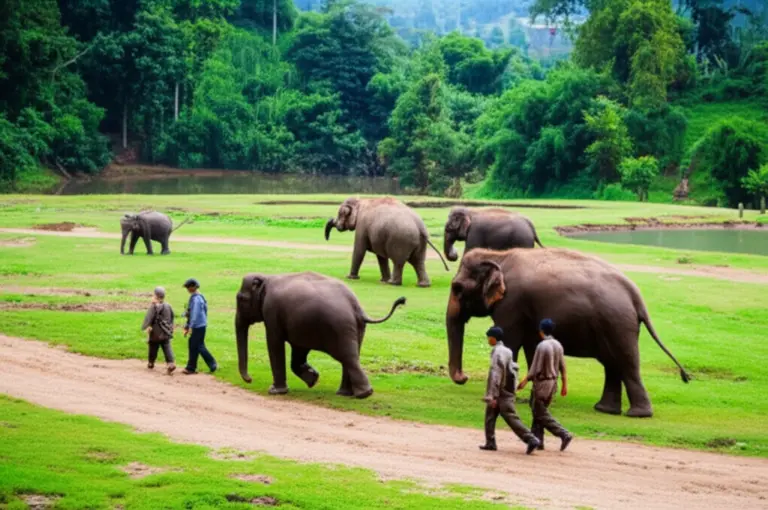
To give you a visual understanding of the positive environment you can expect, please view this brief overview of a typical day focused on observation and care.
Engaging Activities: Feeding, Bathing, and Observing
Activities are designed to be non-invasive. These often include:
- Preparing Food: Learning what elephants eat and helping prepare vast amounts of fruit and vegetables.
- Walking With Giants: Observing elephants as they traverse their habitat, often covering significant distances naturally.
- Mud Bathing: Watching elephants enjoy cooling mud baths—essential for skin health—from a safe, designated viewing area.
Understanding the Mahout-Elephant Bond (Alternative to riding)
In ethical settings, the relationship between the mahout (caretaker) and the elephant is one of partnership, not dominance. The mahout’s role shifts from trainer to protector and health monitor. Visitors see this bond through gentle communication, feeding by hand (under strict supervision), and observing the elephants’ relaxed demeanor around their lifelong caregivers. This is the authentic, respectful interaction that responsible tourism should foster.
Making the Right Choice: A Checklist for Responsible Travelers
To ensure your tourist dollars support genuine welfare, use this quick reference guide before booking any visit in Thailand.
| Feature | Ethical Sanctuary (Choose This) | Traditional Camp (Avoid) |
|---|---|---|
| Interaction | Observe, feed, walk alongside. | Riding, bathing in close contact (forced proximity), shows. |
| Training Tools | No bullhooks visible. Positive reinforcement only. | Mahouts carrying bullhooks or other control devices. |
| Enclosure Size | Large, natural habitat with varied terrain. | Small, confined concrete or dirt pens. |
| Elephant Grouping | Kept in natural social groups. | Single elephants tethered for control. |
By actively seeking out and supporting no-riding elephant sanctuaries in Chiang Mai, you become a crucial part of the solution. Your choice sends a powerful economic signal that welfare, not exploitation, is the future of Thailand’s incredible wildlife tourism sector. Travel consciously, travel kindly.
คำถามที่พบบ่อย (FAQ)
References
- Guide to Ethical Elephant Tourism in Thailand
- Conservation International Resources on Wildlife Ethics
- Visit Ethical Elephant Sanctuaries in Chiang Mai (No Riding): Responsible Wildlife Experiences and How to Choose the Best One
- Top ethical elephant sanctuaries near Chiang Mai (no riding): profiles, offerings, pricing, and how they prioritize elephant well‑being
- How to plan your visit: booking tips, best times to go, what to expect during a no‑riding sanctuary day, and packing checklist