Planning Your Jungle Trek: Routes, Permits, Guided Tours, Safety Tips, and Recommended Gear for Wildlife Spotting
- Planning Your Jungle Trek: Routes, Permits, Guided Tours, Safety Tips, and Recommended Gear for Wildlife Spotting
Thailand, renowned for its vibrant culture, stunning beaches, and delicious cuisine, also harbors an incredible secret: vast, ancient jungles teeming with life. For the adventurous traveler, embarking on a jungle trek offers an unparalleled opportunity to immerse yourself in nature’s raw beauty and encounter exotic wildlife. However, successful and safe jungle trek planning Thailand requires careful consideration of various factors, from choosing the right route to understanding local regulations and packing essential gear. This comprehensive guide will equip you with all the knowledge you need for an unforgettable Thai jungle adventure.
Thailand boasts a variety of national parks and protected areas, each offering unique trekking experiences. Choosing the right route depends on your fitness level, desired duration, and what kind of wildlife you hope to spot. Here are some of the most popular and rewarding destinations:
- Khao Yai National Park: As Thailand’s first national park, Khao Yai is a popular choice, especially for those coming from Bangkok. It offers over 50 km of hiking trails and is known for its diverse wildlife, including macaques, gibbons, civets, barking deer, and endemic bird species like the great hornbill. Wild elephants are often spotted here, making it a prime location for wildlife enthusiasts. Guides are often compulsory for deeper jungle excursions. [2, 9, 15]
- Khao Sok National Park: Located in Southern Thailand, Khao Sok is home to one of the world’s oldest evergreen rainforests. This park is famous for its towering limestone karsts, crystal-clear streams, and the stunning Cheow Lan Lake with its floating raft houses. It’s a biodiversity hotspot with 48 mammal species, 311 bird species, and a plethora of reptiles and insects. Trekking here offers chances to see gibbons and hornbills. [5, 11, 13]
- Doi Inthanon National Park (Chiang Mai): Near Chiang Mai, Doi Inthanon is home to Thailand’s highest peak. The Kew Mae Pan Nature Trail and Pha Dok Siew trails offer breathtaking panoramic views and a chance to explore unique mossy cloud forests. While popular, some trails in this region can still offer deep jungle immersion. [2, 3, 21]
- Um Phang Wildlife Sanctuary (Tak): For those seeking a more off-the-beaten-path experience, Um Phang offers spectacular multi-day hikes with fewer visitors. Treks here often involve exploring the Mae Klong River and staying in Karen villages, providing a unique cultural immersion alongside the natural beauty. [2]
- Chiang Mai Region: Beyond Doi Inthanon, areas like Huay Nam Dang National Park and Doi Suthep-Doi Pui National Park offer classic trekking routes, some of which are less frequented, providing opportunities for ‘forest bathing’ and observing forest restoration efforts. [3, 14]
Permits and Regulations: What You Need to Know
Before lacing up your boots, it’s crucial to understand the permit requirements and regulations for jungle trekking in Thailand. Most jungle treks take place within national parks, which require an entry fee. For instance, the entry fee for Khao Sok National Park is typically around 300 baht. [13]
These regulations are in place for your safety and for the preservation of the delicate ecosystem. Licensed tour operators are well-versed in these requirements and can facilitate the necessary permits and guide arrangements.
Guided Tours: Your Essential Companion for Jungle Trek Planning Thailand
While the allure of solo exploration is strong, a guided jungle tour in Thailand is highly recommended, especially for first-timers or those wanting to delve deeper into the wilderness. Local guides offer invaluable expertise:
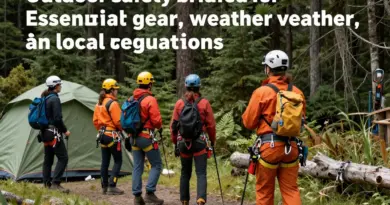
- Navigation & Safety: Guides know the terrain intimately, reducing the risk of getting lost. They are trained in first aid and can navigate unexpected challenges, such as sudden weather changes or encounters with wildlife. [4, 7, 14, 23]
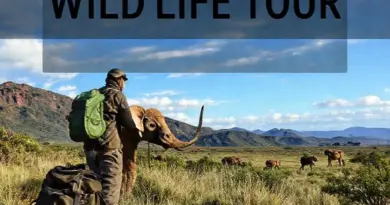
- Wildlife Spotting: Local guides possess an uncanny ability to spot elusive wildlife that you would likely miss on your own. They can identify tracks, calls, and other subtle signs, significantly increasing your chances of memorable sightings. [4, 10]
- Cultural & Ecological Insights: Beyond navigation, guides offer rich insights into the local flora, fauna, and indigenous cultures, enriching your experience far beyond just a walk in the woods. [4, 15]
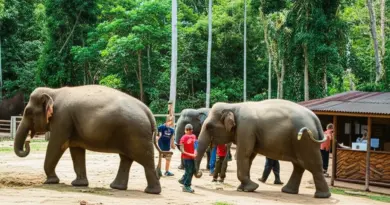
When choosing a tour operator, look for licensed companies with good reputations, particularly those that emphasize ethical tourism, especially concerning wildlife interactions like ethical elephant sanctuaries. Many national parks offer official guided tours, or you can book through reputable travel agencies.
Crucial Safety Tips for Your Jungle Trek
The Thai jungle, while beautiful, demands respect and preparedness. Adhering to safety guidelines is paramount:
- Stay Hydrated: Thailand’s tropical climate means high humidity and heat. Carry ample bottled or filtered water and consider electrolyte gels or drinks to prevent dehydration. Avoid strenuous activity during midday. [22, 23]
- Proper Footwear: Wear sturdy, closed-toe hiking shoes with good grip. In the wet season, waterproof boots are highly recommended as trails can be muddy and slippery, with stream crossings. [20, 22]
- Insect & Wildlife Precautions: Be aware of leeches (especially in Khao Sok), snakes (some venomous; check your shoes before putting them on), centipedes, and scorpions. Use insect repellent liberally. Treat any cuts or abrasions immediately, as jungle bacteria can be problematic. [13, 20, 23, 24]
- Never Trek Alone: Especially in deeper jungle areas, it’s unsafe to go without a guide or at least a companion. [4, 7, 23]
- First Aid: Carry a well-stocked first-aid kit with essentials for cuts, blisters, insect bites, and any personal medications.
- Offline Maps: Internet service can be spotty in remote areas. Download offline map apps like Maps.me or Mapy.cz for navigation. [22]
Recommended Gear for Wildlife Spotting
To maximize your chances of spotting and appreciating Thailand’s incredible wildlife, pack smart:
| Gear Item | Why It’s Essential |
|---|---|
| Binoculars | Absolutely crucial for spotting distant birds, monkeys, and other animals hidden in the canopy. An 8×30 or 8×32 magnification is often recommended for jungle environments where light can be limited. [29] |
| Camera Gear | A compact zoom lens (e.g., 70-300mm) is versatile for wildlife. Ensure weather sealing or use dry bags to protect equipment from humidity and rain. A neck strap harness can provide stability while walking. [27, 29, 30] |
| Clothing | Long pants and long-sleeved, lightweight, quick-drying cotton shirts are ideal to protect against scratches, insect bites, and sun. Avoid bright colors. A wide-brimmed hat is also useful. [20, 29, 31] |
| Footwear | Beyond good hiking shoes, consider gaiters to protect against leeches and debris. Ensure your boots are broken in to prevent blisters. [20, 25] |
| Hydration Pack/Bottles | Carry more water than you think you’ll need. Hydration packs make it easy to drink on the go. |
| Dry Bags | Essential for protecting electronics, spare clothes, and documents from humidity and sudden downpours. [25, 29] |
| Headlamp/Flashlight | Useful for early morning starts, late finishes, or night safaris. [25] |
| Personal First-Aid Kit | Include antiseptic wipes, band-aids, blister treatment, pain relievers, and any personal medications. |
| Insect Repellent | A strong repellent with DEET or picaridin is highly recommended. |
With careful jungle trek planning Thailand offers an unparalleled adventure into the heart of its wild landscapes. By understanding the routes, adhering to regulations, considering a guided tour, prioritizing safety, and packing the right gear, you’re set for an ethical and unforgettable journey into the kingdom’s vibrant wilderness. Embrace the sounds, sights, and challenges, and you’ll create memories to last a lifetime.
คำถามที่พบบ่อย (FAQ)
References
- 9 best hikes in Thailand – Lonely Planet
- Chiang Mai Jungle Trekking and Forest Bathing – Green Trails
- 7 Things I Learnt Trekking in the Thai Jungle! – YouTube
- Khao Sok National Park – #1 Best Jungle Adventure In Thailand – Elephant Hills
- We’re in the JUNGLE in Thailand! Spotting Monkeys, Lizards & more in Khao Sok National Park – YouTube
- JUNGLE TREKKING IN KHAO SOK NATIONAL PARK, Thailand – Day 95 – YouTube
- Go Jungle Trekking in Thailand – Medium
- 10 Essential Jungle Survival Skills At Elephant Hills, Thailand
- KHAO SOK National Park, Thailand – where nature meets adventure!
- A Complete Visitor’s Guide to Jungle Trekking in Khao Sok – Nomadic Matt
- The Ultimate Guide to the Chiang Mai Jungle Trek
- Guided tours – Khao Yai National Park
- Adventure jungle mountain trekking, hiking and camping guide for Thailand, Myanmar, Laos
- Ultimate Jungle Trek, Doi Inthanon National Park – Next Step Thailand
- Thailand For First-Time Travelers: Practical Safety Tips For Visiting Southern Thailand (2024) – Banana Leaf Travel
- Guide To Hiking In Thailand
- How dangerous is walking through a jungle in Thailand? – Reddit
- Essential Guide: What Equipment to Use in the Jungle | The Wildtales Inc.
- Capture Wildlife Moments with Simple Camera Gear – Coverfocus
- Wildlife Photography Gear for the AMAZON Jungle – YouTube
- Wildlife photographers, What gear, clothing or equipment would you recommend? – Reddit
- Khao Nor Chu Chi & Forest Conservation: A Guide to Wildlife Spotting and Jungle Treks
- Why Khao Nor Chu Chi Matters: Overview of the Park, Best Seasons to Visit, and Conservation Significance for Wildlife and Local Communities
- What Wildlife You Can Expect to See: Key Species, Birdwatching Hotspots, Seasonal Behaviors, and Ethical Wildlife Viewing Practices