Kayaking Techniques for Beginners: Paddling, Steering, and Staying Balanced
Embarking on a kayaking adventure in the crystal-clear waters of Thailand is an unforgettable experience. Whether you are exploring the limestone karsts of Krabi or the hidden lagoons of Phuket, mastering basic Kayaking Techniques for Beginners will ensure you remain safe, comfortable, and confident on the water. This guide covers the essential skills you need to navigate Thailand’s stunning coastline like a pro.
Mastering the Forward Stroke
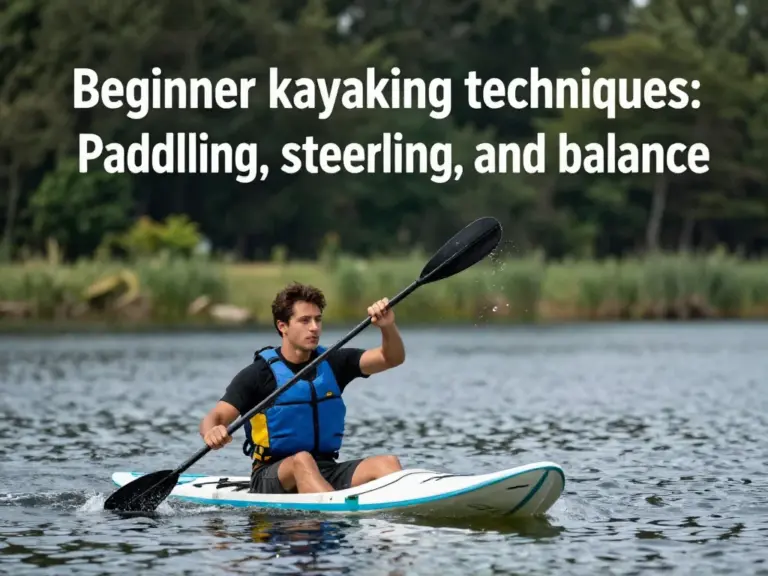
The forward stroke is the foundation of kayaking. Many beginners make the mistake of using only their arms, which leads to quick fatigue. Instead, focus on torso rotation. Place your paddle in the water near your feet, then pull it back alongside the kayak while rotating your torso. Using your core muscles allows you to paddle longer distances with significantly less effort, which is essential for island hopping in Thailand.
Steering and Maneuvering
To steer your kayak, you don’t need a rudder. The sweep stroke is the most effective way to turn. To turn right, perform a wide, sweeping motion with your paddle on the left side of the boat, starting from the bow and moving toward the stern in a large arc. To turn left, perform the same motion on the right side. This technique is perfect for navigating through the intricate mangroves often found in Southern Thailand.
Staying Balanced and Stable
Balance anxiety is common for first-timers. The secret to staying upright is to keep your center of gravity low and your hips loose. Imagine your hips are a ball-and-socket joint; allow the kayak to move underneath you while your upper body remains relatively still and vertical. Avoid the instinct to stiffen up, as this actually makes the kayak more unstable. Trust the boat’s stability and keep your gaze on the horizon rather than looking down at the water.
Essential Safety Gear in Thailand
| Gear | Purpose |
|---|---|
| Personal Flotation Device (PFD) | Essential for buoyancy and safety. |
| Dry Bag | Keeps electronics and documents safe from splashes. |
| Sun Protection | Reef-safe sunscreen and a hat are vital in the tropical sun. |
Before you head out, check the local weather conditions. Thailand’s Meteorological Department provides reliable updates. Always tell someone your planned route, especially if you are paddling independently.
คำถามที่พบบ่อย (FAQ)
1. Is it hard to learn kayaking for beginners?
Not at all. With the right instruction on posture and paddling mechanics, most people feel comfortable within 30 minutes of practice.
2. What should I do if my kayak capsizes?
Stay calm and hold onto your paddle and boat. If you are in shallow water, you can easily drag the kayak to shore and empty it.
3. What time of day is best for kayaking in Thailand?
Early morning or late afternoon is best to avoid the midday heat and intense tropical sun.